
LaGrange, GA and The Surrounding Area

Have Questions? Email Us

7 AM – 6 PM
LaGrange, GA and The Surrounding Area
Have Questions? Email Us
7 AM – 6 PM
Call For A Free Estimate

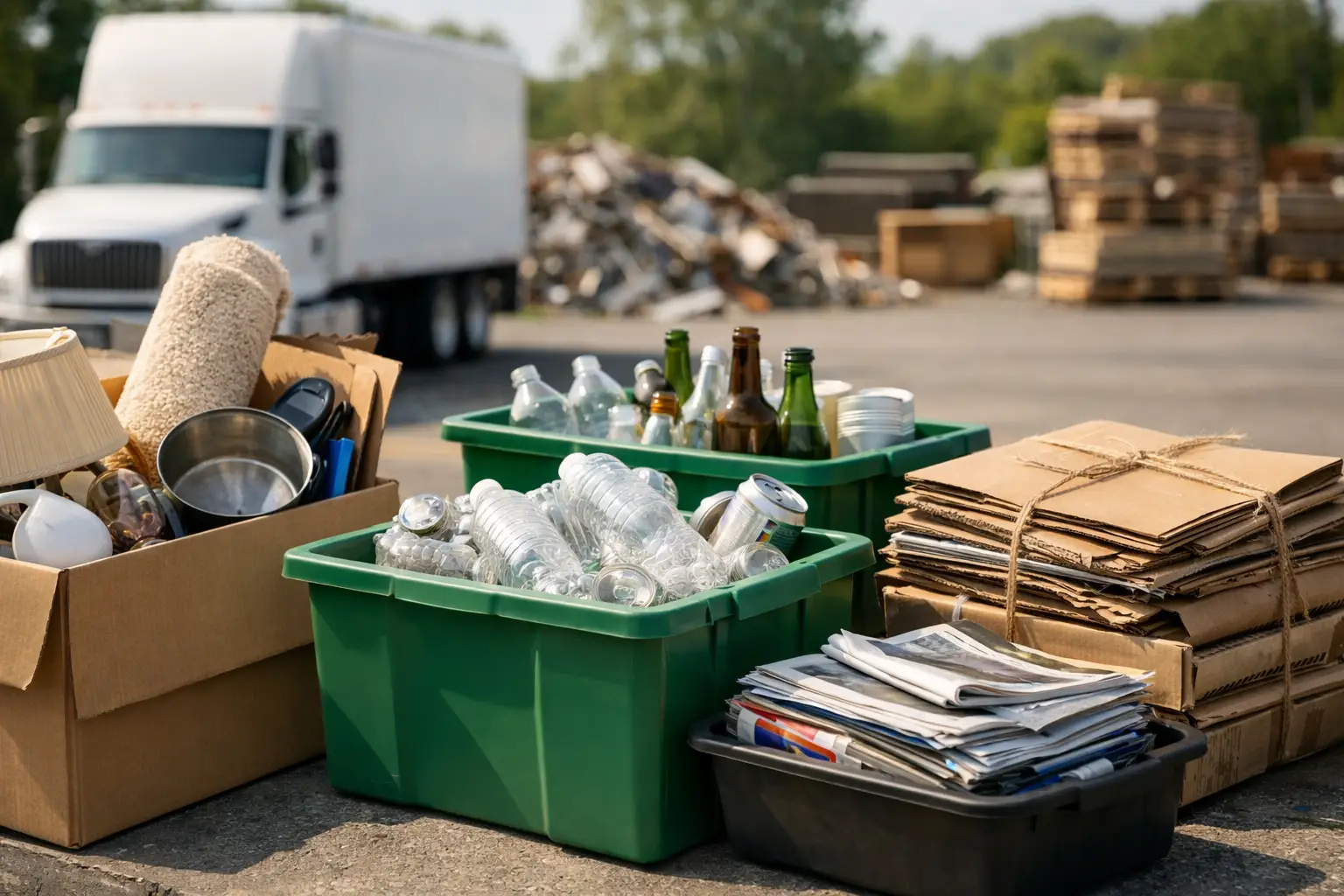
A garage, rental home, estate property, or office can look manageable until everything is pulled out at once. Then you are left with old furniture, boxes, electronics, scrap metal, paint cans, and bags of items that cannot simply go to the curb. Knowing your recycling options after cleanouts helps keep usable materials out of the landfill while making the final haul-away much less stressful.
The key is not trying to recycle every single item. Some things are recyclable, some can be donated, some need special handling, and some are simply trash. A practical plan saves time, avoids rejected loads, and gets the property cleared faster.
Sorting does not have to mean spending days organizing every drawer. The goal is to make a few clear categories before items get mixed together in a trailer, truck bed, or dumpster. Keep recyclable materials dry and separate when possible, especially cardboard, metal, electronics, and clean plastic containers.
If you are handling an eviction cleanout, estate cleanout, or rental turnover, start with the larger items first. Pull out appliances, metal bed frames, electronics, and intact furniture that may be reusable. Then work through bagged trash, loose household goods, and smaller materials.
Be realistic about condition. A wet mattress, broken particleboard dresser, or moldy box of papers may not have a recycling or donation outlet. Trying to force unusable items into the wrong stream can create more work for everyone involved.
Cardboard is one of the easiest materials to recycle after a move, storage unit cleanout, or business cleanup. Break down boxes, remove plastic wrap and foam, and keep the cardboard dry. Wet, greasy, or heavily soiled cardboard often cannot be recycled.
Office paper, newspapers, mail, and paper bags may also be accepted through local recycling programs. Shred only documents that contain personal, financial, tenant, or business information. For an estate or foreclosure cleanout, take extra care with paperwork. Important records can be mixed into boxes that appear to be ordinary clutter.
Metal is often worth separating because it can be recycled even when the item itself is no longer useful. Bed frames, shelving, filing cabinets, grills, exercise equipment, tools, metal fencing, and some lawn equipment may all contain recyclable metal.
Appliances can be more complicated. Washers, dryers, stoves, and water heaters are commonly accepted as scrap metal, but refrigerators, freezers, air conditioners, and dehumidifiers may require special handling because of refrigerants. Do not assume every drop-off location accepts them. Ask before loading, especially if you have several units from a rental property or renovation project.
Old televisions, computers, monitors, printers, phones, routers, and cables should not be tossed into regular household trash. Electronics can contain materials that need to be handled separately, and some devices may still hold personal data.
Before recycling computers, tablets, or phones, back up what you need and remove personal information. Batteries should also be kept out of regular trash whenever possible. Loose batteries can create a fire risk if they are crushed or damaged during hauling.
Electronics recycling programs vary by location and by item. Older tube-style televisions, for example, may have different acceptance rules or fees than flat-screen TVs. This is one area where calling ahead can save a wasted trip.
Furniture recycling depends heavily on the item and its condition. Solid wood furniture, metal furniture, and pieces with clean, reusable parts may have a better chance of being reused or broken down for material recovery. Upholstered furniture is harder to recycle because it combines fabric, foam, wood, and metal.
If a couch, chair, or table is clean, structurally sound, and safe to use, donation may be a better option than recycling. If it is torn up, water-damaged, infested, or heavily stained, disposal is usually the more responsible choice.
Mattresses are another item that often needs a specific recycling program. Some facilities can separate metal springs, foam, fabric, and wood, but many will not accept mattresses that are wet, badly damaged, or contaminated. For property managers handling move-outs, it is often easier to plan mattress removal as part of a full cleanout rather than leave them for the last minute.
Clean bottles, jars, tubs, and containers may be recyclable, but local rules matter. A container that is accepted in one program may be rejected in another. Empty and rinse containers when practical, but do not spend hours scrubbing items that are clearly not accepted or are covered in food, paint, or chemicals.
Avoid bagging recyclables in plastic trash bags unless your local program specifically allows it. Many recycling facilities cannot process the bags, even when the items inside are acceptable.
Cleanouts after remodeling often produce a mix of drywall, wood, tile, carpet, cabinets, fixtures, metal, and packaging. Not all of it can be recycled, but certain materials are worth separating. Clean lumber, metal piping, wire, doors, cabinets, and cardboard packaging may have recycling or reuse value.
Paint, solvents, adhesives, chemicals, and other hazardous materials should never be mixed into a general debris load. The same goes for propane tanks, fuel containers, and automotive fluids. These items require special disposal and can create safety issues for workers, vehicles, and disposal facilities.
Donation can be an excellent choice when items still have real life left in them. Clean clothing, working appliances, usable furniture, kitchenware, books, and household goods may help someone else while reducing waste.
Still, donation is not a catch-all solution for unwanted belongings. Donation centers have limited space and standards for what they can accept. Sending damaged, incomplete, outdated, or unsafe items to a donation site can shift the disposal burden onto a nonprofit.
A good rule is simple: donate items you would feel comfortable giving directly to a neighbor. Recycle materials that have a recognized recycling outlet. Dispose of the rest properly.
A do-it-yourself recycling plan works well for a few boxes, one appliance, or a small garage cleanup. It becomes much harder when you are facing a packed house, multiple units, heavy furniture, a commercial space, or a tight deadline before closing, turnover, or inspection.
That is when a full-service junk removal crew can make a real difference. Instead of renting a truck, lifting heavy items, making multiple disposal runs, and figuring out what each facility accepts, you can have the material removed from where it sits. This is especially helpful for landlords, realtors, and contractors who need a property cleared quickly and do not have time to manage a complicated sorting process.
JBC Junk Removal handles the heavy lifting for residential and commercial cleanouts across West Georgia and East Alabama, with practical disposal, recycling, and donation decisions based on the items being removed. A free estimate also gives you a clearer picture of the cost before the work begins.
Do not place hazardous materials in regular trash bags, leave loose debris where it can blow around, or assume curbside pickup will take bulky items. Do not load a truck before checking weight limits and local disposal rules, either. An overloaded truck, rejected appliance, or unexpected disposal fee can quickly turn a low-cost cleanup into a long day.
It also helps to avoid saving every questionable item “just in case.” Cleanouts move faster when decisions are made early. If something is clearly broken, unsafe, or beyond repair, let it go through the proper disposal channel.
A clean property is more than an empty room. It is a fresh start for the next tenant, buyer, project, or chapter of life. Sort what you can, recycle what makes sense, and get dependable help when the pile is bigger than your time, equipment, or back can handle.