LaGrange, GA and The Surrounding Area

Have Questions? Email Us

7 AM – 6 PM
LaGrange, GA and The Surrounding Area
Have Questions? Email Us
7 AM – 6 PM
Call For A Free Estimate
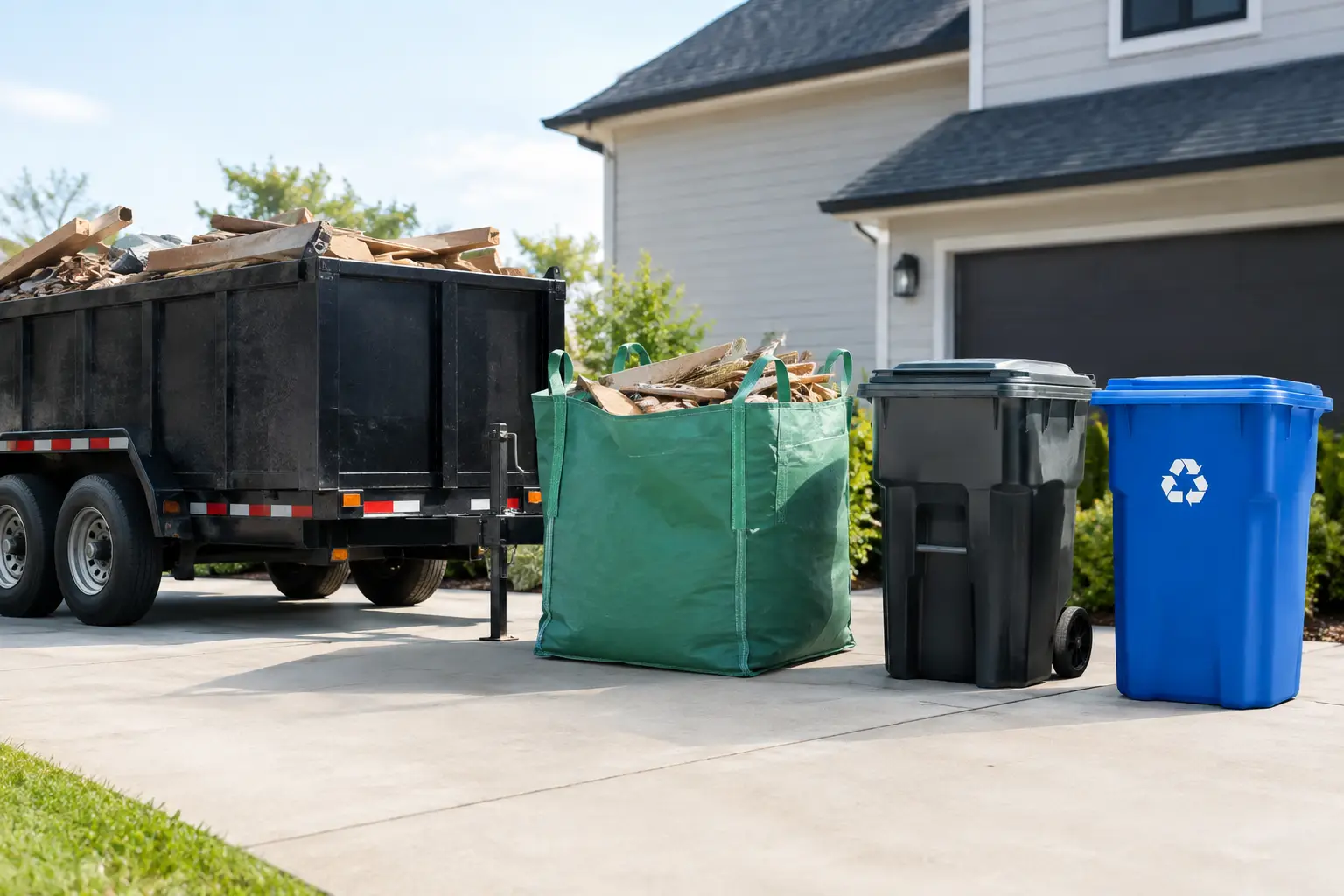
A dumpster can look like the easy answer when a garage, attic, rental home, or renovation project gets out of hand. But for many West Georgia homeowners, it creates a new set of problems: finding a place to put it, getting permission from an HOA, loading every heavy item yourself, and paying for space you may not use. The best dumpster alternatives for homeowners can be faster, less physically demanding, and often a better value for the amount of debris you actually have.
The right choice comes down to what you are getting rid of, how much labor is involved, and how quickly the property needs to be cleared. A few bags of household clutter call for a different plan than an estate cleanout or a full kitchen renovation.
Dumpster rentals work well for certain large construction jobs where debris is being produced steadily over several days. If you are tearing out a roof, replacing siding, or managing a major remodel with a crew on-site, having a container nearby can make sense.
For typical household cleanouts, though, a dumpster can be more work than expected. The rental company drops it off, but you are responsible for filling it. That means lifting old furniture, dragging appliances, breaking down bulky items, and climbing in and out of the container. Many homeowners also run into rules about prohibited materials, weight limits, driveway placement, and rental periods.
A dumpster may sit in your driveway longer than you need it, take up valuable parking space, and leave you guessing about the final cost if the load goes over the included weight. Before committing to one, consider whether another removal option matches your job more closely.
For most homeowners, full-service junk removal is the closest alternative to a dumpster without the heavy lifting. A removal crew comes to your home, gives you a clear estimate, loads the items, and hauls them away. You point out what needs to go, and the crew handles the physical work.
This option is especially useful for garage cleanouts, attic cleanouts, furniture removal, estate cleanouts, move-outs, eviction cleanouts, and bulky household items. It is also a practical choice when stairs, narrow hallways, or heavy pieces make loading a dumpster unsafe or frustrating.
Full-service removal can cost more than a small dumpster rental on paper, but compare the full picture. You are not renting a container you have to load yourself, making multiple trips to the dump, or asking family and friends to spend a weekend moving a worn-out sectional sofa. For a one-day cleanup, paying for labor and hauling can be the more sensible route.
A local crew such as JBC Junk Removal can also schedule around your timeline and remove only what you need gone, whether that is one old mattress or an entire property full of unwanted belongings.
Many cities and counties offer scheduled bulk pickup for large household items. This may be free, included in your trash service, or available for a modest additional fee. It can be a good fit for a few items such as a dresser, small appliance, bagged yard debris, or broken patio furniture.
The trade-off is timing and rules. Bulk pickup services often operate on set dates, limit the number of items, and require materials to be placed at the curb in a specific way. They may not accept construction debris, electronics, mattresses, paint, tires, or appliances with refrigerants.
This option works best when you are not in a rush and have a manageable amount of approved material. Check your local guidelines before hauling everything to the curb. Leaving unapproved debris out can lead to a missed pickup or code enforcement concerns.
Donation is one of the better dumpster alternatives when usable furniture, clothing, housewares, books, and decor still have life left in them. Clearing out a home does not always mean everything is trash. A solid dining table, clean bedroom set, working refrigerator, or boxes of usable kitchen items may be helpful to a local nonprofit, shelter, church, or thrift organization.
Some organizations offer pickup for larger donations, while others require you to bring items to their location. Pickup availability can be limited, so it is wise to schedule early if you are planning a move or estate cleanout.
Be honest about condition. Donation centers generally cannot take broken furniture, stained mattresses, heavily damaged items, or goods with mold, pests, or strong odors. Setting aside true donations first can reduce your disposal volume, but do not let donation piles sit for weeks while you wait for an appointment. If the deadline is close, a removal crew can help clear the rest.
If you have a truck, trailer, and enough time, hauling debris to a local transfer station or landfill is a straightforward low-cost option. It can work well for a few loads of bagged clutter, yard waste, cardboard, or small renovation debris.
The catch is that disposal work adds up quickly. You will need to load the material, secure it safely, drive to the facility, unload it, and possibly make several trips. Fees vary by material and weight. Loose debris can blow out of an unsecured load, and heavy items can be difficult to lift without help.
This route makes the most sense for smaller jobs when you already have the vehicle and are comfortable doing the work. It is usually less appealing for large furniture, full garages, estate properties, or projects with tight deadlines.
Heavy-duty debris bags are another option for small remodeling jobs. You buy a large collection bag, fill it over time, then arrange for pickup through the bag provider. These bags can be useful where driveway space is tight or a full-size dumpster would be excessive.
They are best for lightweight to medium-weight debris such as drywall scraps, flooring, wood pieces, and household clutter. They are not ideal for a house full of furniture or large amounts of concrete, dirt, brick, or roofing materials. Weight limits still apply, and loading remains your responsibility.
Think of this as a middle ground between regular trash service and a dumpster rental. It gives you more capacity than a few trash cans, but it does not remove the labor from the project.
Some items should not go in a dumpster or a regular trash load at all. Electronics, paint, batteries, chemicals, propane tanks, tires, and certain appliances may require special handling. Refrigerators, freezers, air conditioners, and dehumidifiers can contain refrigerants that need proper removal.
Recycling metal, cardboard, clean lumber, and certain appliances can also reduce the amount headed to a landfill. During a larger cleanout, it helps to make separate piles for donation, recycling, hazardous materials, and trash. That little bit of organization can prevent disposal delays and keep you from paying to haul items that need another destination.
Start with the size of the job. If you have a handful of curbside-approved items and can wait for the next collection date, municipal bulk pickup may be enough. If you have usable goods and plenty of lead time, donation can make a meaningful difference.
Next, consider labor. A dumpster, debris bag, or dump run may be cheaper only if you have the time, equipment, and ability to do the loading safely. A full-service crew is often the better choice for heavy furniture, multiple rooms of clutter, stairs, rental turnovers, and time-sensitive property sales.
Finally, look at the materials. Construction debris, yard waste, old furniture, appliances, and household trash do not always follow the same disposal rules. Ask about restrictions before choosing a service, especially if your load includes paint, chemicals, electronics, tires, or refrigerant appliances.
Choose full-service junk removal when the job needs to be finished in one visit, the items are heavy or awkward, or you simply do not want a dumpster sitting in the driveway. It is also a strong option when you are preparing a home for sale, clearing a loved one’s property, handling an eviction, or trying to get a rental ready for the next tenant.
A dependable local crew should provide a clear estimate, arrive when promised, treat the property with respect, and leave the area swept up once the items are loaded. That is the kind of help that turns a stressful cleanup into a completed task instead of another project on the list.
Before renting a container, take a quick inventory of what has to go and how much help you will need. The best solution is the one that clears your space safely, fits your budget, and lets you get back to enjoying your home.