
LaGrange, GA and The Surrounding Area

Have Questions? Email Us

7 AM – 6 PM
LaGrange, GA and The Surrounding Area
Have Questions? Email Us
7 AM – 6 PM
Call For A Free Estimate

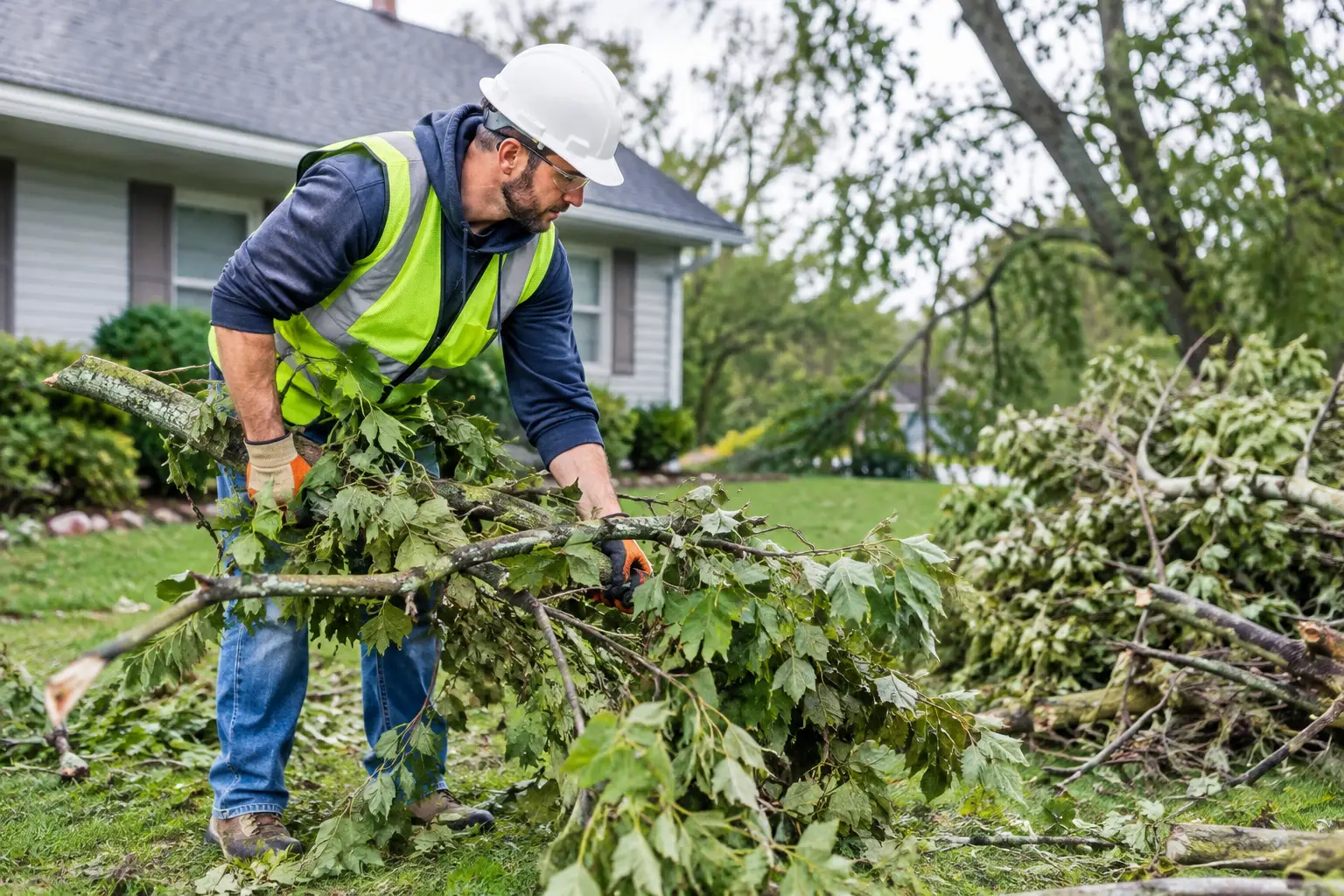
A storm can turn a normal yard into a job that feels too big to start. One fallen limb may be manageable, but a mix of branches, damaged fencing, soaked furniture, loose roofing, and scattered trash can create real safety concerns. Knowing how to remove storm debris in the right order helps protect your property, keeps the cleanup moving, and prevents a hard day of work from becoming an injury.
Wait until the storm has fully passed and local officials say it is safe to go outside. Do not rush into a damaged yard at night, during high winds, or while lightning is still nearby. Take a walk around the property in daylight before picking anything up.
Look first for downed power lines, leaning utility poles, damaged gas meters, standing water near electrical equipment, and trees resting on a house, vehicle, or structure. Treat every downed line as live. Keep people and pets well away, and report it to the utility company or emergency services. Do not try to move a branch that is touching a line, even with a wood tool or while wearing gloves.
Also watch for broken glass, exposed nails, sharp metal, snakes or other displaced animals, and unstable limbs hanging overhead. Wear closed-toe boots with sturdy soles, work gloves, long pants, eye protection, and hearing protection if you will use power equipment. A basic dust mask can help around dry debris, insulation, or dirty flood residue, but a damaged structure may call for a professional inspection instead of a quick cleanup.
If a tree has shifted, split, or landed on a roof, shed, fence, or car, stop and assess the situation from a distance. Storm-damaged trees can release tension without warning. Cutting large limbs or using a chainsaw is not a good do-it-yourself job if the tree is elevated, twisted, near utility lines, or under pressure.
Before you begin removing storm debris, take clear photos and videos of the damage from several angles. Document damaged roofs, siding, fences, outdoor furniture, fallen trees, and any items that may need to be included in an insurance claim.
Keep notes on the date of the storm and save receipts for emergency repairs, temporary protection, hauling, and disposal. You do not need to leave dangerous debris in place for an insurance adjuster, but avoid throwing away major damaged items until you understand what your policy requires. When in doubt, contact your insurer and ask what documentation they need.
After taking photos, make the area safer. Cover a broken window, move dry belongings out of standing water if it can be done safely, and keep children away from damaged parts of the property. The goal is to prevent additional loss while you decide what needs repair and what can be removed.
The fastest cleanup is usually not the one that starts with the largest pile. Begin by clearing access and separating materials as you go. This makes it easier to see hazards, get repair crews onto the property, and avoid paying to haul items that could be handled another way.
Start with walkways, driveways, entrances, and access to electrical panels, water shutoffs, or outdoor HVAC units. Pick up loose, lightweight debris first, such as plastic, small branches, paper, and scattered trash. Work in small sections rather than trying to tackle the entire yard at once.
Next, gather yard waste such as branches, leaves, brush, and cut limbs. Place limbs with cut ends facing the same direction when possible. This keeps piles neater and makes loading safer. Do not make piles too large to move, especially if you expect rain before pickup.
Then separate bulky items and building materials. Damaged patio furniture, mattresses, fencing, carpet, drywall, shingles, and broken lumber should not be mixed blindly with green waste. Local disposal rules often treat these materials differently, and separating them can save time at the landfill or make a professional pickup more efficient.
A simple sorting system works well for most properties: green waste, household junk, construction debris, metal, and items that may need special handling. Set aside chemicals, paint, fuel containers, propane tanks, batteries, electronics, and appliances. These items should not go into a burn pile, regular trash pile, or mixed debris load without confirming proper disposal requirements.
Small branches, leaves, loose yard items, and light debris are often reasonable homeowner cleanup tasks if there are no electrical hazards or structural concerns. A rake, tarp, wheelbarrow, pruning saw, and heavy-duty bags can go a long way on a modest job.
The line changes when debris is heavy, unstable, contaminated, or difficult to load. Waterlogged furniture, wet carpet, large tree sections, broken fencing, and renovation materials can weigh much more than they appear to. Lifting awkward items repeatedly can lead to back injuries, crushed fingers, or damage to your driveway and landscaping.
Avoid burning storm debris unless local rules clearly allow it and conditions are safe. Burning wet brush creates heavy smoke, while burning treated lumber, painted wood, household materials, or roofing debris can release harmful fumes. After a major storm, burn restrictions may also be in place because dry conditions or emergency response demands increase fire risk.
Renting a dumpster can make sense for a large cleanup that will take several days, especially after a renovation-related storm mess. But it depends on the amount and type of material. A dumpster takes up driveway space, may require permission in some neighborhoods, and still leaves you with all the lifting and loading. Full-service removal is often the easier option when labor is the real problem.
Call a licensed and insured cleanup crew when the debris is too heavy, too widespread, or too difficult to transport safely. This is especially helpful for homeowners dealing with a fallen tree after it has been cut into manageable pieces, landlords preparing a rental after storm damage, and property managers who need common areas cleared quickly.
Professional hauling is also useful when your pile includes a mix of branches, damaged furniture, fencing, appliances, old carpet, and bulk trash. Instead of making several trips with a pickup truck, you can have the materials loaded and removed in one scheduled visit.
JBC Junk Removal provides fast, friendly, and affordable hauling for storm debris, yard waste, bulk junk, and damaged household items throughout LaGrange, Hogansville, Newnan, and nearby West Georgia and East Alabama communities. A local crew can help you clear the mess without adding more strain to an already stressful week.
For major tree removal, roof damage, electrical hazards, sewage backup, or structural damage, bring in the appropriate specialists first. Junk removal crews handle the hauling and labor after dangerous conditions have been addressed. That order matters. It protects everyone on site and keeps the cleanup from interfering with repairs or insurance work.
Do not stack debris against your house, garage, or fence while you wait for removal. Wet piles can trap moisture, attract pests, block drainage, and make it harder to spot additional damage. Keep materials away from vents, utility equipment, and fire hydrants.
If rain is expected, cover salvageable items with a tarp but do not trap moisture inside a sealed pile. Wet carpet, upholstery, insulation, and drywall can develop mold quickly. Items that have been soaked by contaminated floodwater often need to be discarded rather than cleaned and reused.
Check the property again after the main debris is gone. Look for clogged gutters, loose fence posts, damaged outdoor lights, exposed roots, and small branches that could become hazards during the next storm. Storm cleanup is easier when you leave the yard clear, accessible, and ready for repair work.
A clean property does more than look better after bad weather. It gives you room to make sound decisions, lets repair crews get to work, and helps your home or rental get back to normal one safe step at a time.