
LaGrange, GA and The Surrounding Area

Have Questions? Email Us

7 AM – 6 PM
LaGrange, GA and The Surrounding Area
Have Questions? Email Us
7 AM – 6 PM
Call For A Free Estimate

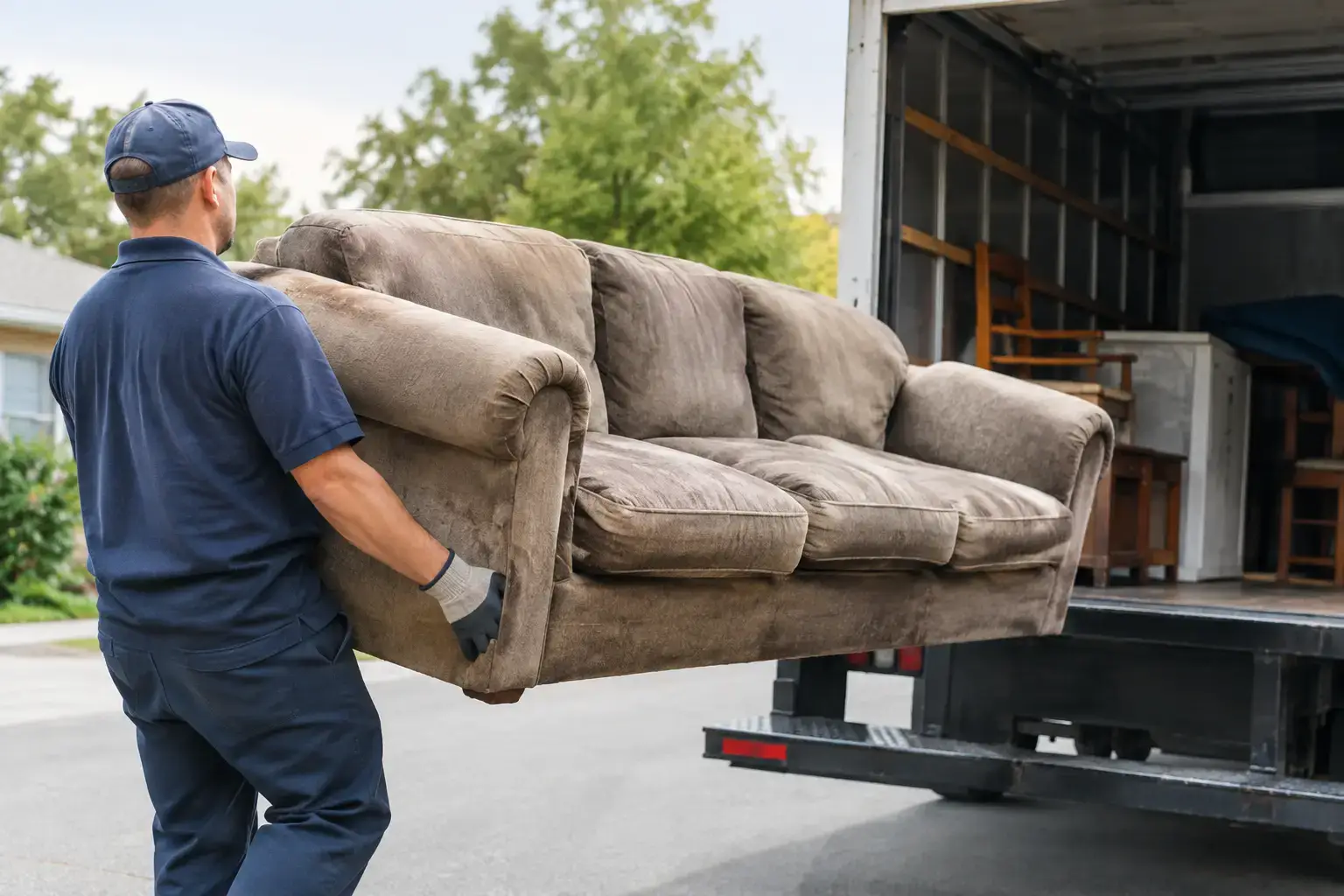
A couch can look manageable until it is time to get it through a doorway, down a flight of stairs, or out of a rental before move-out day. So, where do old couches go once they leave your home? The answer depends on the couch’s condition, the materials inside it, local disposal rules, and whether someone can still use it safely.
A good removal plan keeps usable furniture out of the landfill when possible, but it also recognizes reality. A sagging, torn, smoke-damaged, or bug-infested couch is not a donation candidate. Knowing the difference saves time, avoids rejected drop-offs, and makes a stressful cleanout a whole lot easier.
Old couches generally go one of four places: a new home through donation or resale, a recycling operation, a transfer station or landfill, or a specialized disposal facility. The right option is based on condition first, not just age.
A couch that is clean, structurally sound, and free from major stains may be useful to a local charity, thrift store, shelter, or family in need. Some organizations offer pickup, although their schedules and acceptance rules can be limited. Others ask that furniture be brought to them. Before loading anything up, call ahead and be honest about the condition. A quick description and a few photos can prevent a wasted trip.
If the couch is worn out but not hazardous, a junk removal crew may sort it for recycling or proper disposal. Sofas are more complicated than they look. They can contain wood frames, metal springs, foam cushions, fabric, plastic feet, staples, and sometimes electronics in recliners or sleeper sofas. Those materials do not always go to the same place.
When a couch is beyond reuse or practical recycling, it may go through a transfer station before reaching a permitted landfill. That is not the preferred destination for every item, but it is often the responsible option for furniture that has reached the end of its useful life.
Donation works best for furniture someone would be comfortable putting in their own living room. A used couch does not need to be brand-new, but it should be clean, safe, and functional. The frame should be sturdy, cushions should be intact, and there should be no signs of mold, pests, heavy pet odor, smoke odor, or bodily-fluid stains.
Many donation centers have strict policies for upholstered furniture. Bed bugs are a serious concern, and even a couch that looks fine can be refused if it has signs of infestation. Rips, deep stains, broken reclining mechanisms, or exposed springs can also make it unacceptable.
If your couch qualifies, donation can be a great choice during a move, downsizing project, or estate cleanout. It may take more planning than a straightforward haul-away, though. You will need to coordinate pickup availability or transportation, and there is no guarantee that an organization can take it on your schedule.
Selling or giving it away locally is another option for a clean, usable couch. Be clear about its age, dimensions, wear, and whether the buyer needs to move it themselves. Never rely on a last-minute giveaway if you have a firm closing date, tenant turnover, or renovation deadline. Furniture can sit longer than expected, especially if it is large or dated.
It is better to skip donation when the couch is heavily soiled, damaged, wet, infested, or unsafe to carry. Trying to pass along furniture in poor condition creates extra work for charities and can leave the item sitting at the curb after it is rejected.
The same applies to couches removed from eviction cleanouts, foreclosures, or long-vacant properties. They may have hidden moisture damage, pest activity, or odors that are not obvious at first glance. In those cases, disposal through a professional service is usually the safer and more dependable route.
Some couch materials have recycling value, but breaking a couch down takes labor and the right receiving facilities. Metal springs, brackets, legs, and mechanisms can often be separated as scrap metal. Wood framing may be processed as wood waste in some areas, depending on whether it is painted, treated, or contaminated. Cardboard packaging from a new furniture delivery is usually much easier to recycle than the couch itself.
Foam, fabric, batting, and mixed upholstery materials are more difficult. They may be accepted by specialty recyclers, but availability varies widely. Reclining sofas and powered sectionals require extra care because motors, cords, batteries, and electronic controls need to be separated from the rest of the furniture.
This is why “recycling a couch” is not always as simple as placing it in a recycling bin or dropping it at a single location. It depends on what the couch is made of and what nearby facilities accept. A local, full-service junk removal company can help sort out the practical options instead of asking you to dismantle a bulky sofa in the driveway.
Many homeowners assume they can set an old couch at the curb on trash day. Sometimes that works, but many local waste providers do not accept oversized furniture with regular household garbage. Some require a scheduled bulk pickup, charge an extra fee, limit the number of items, or require the couch to be placed in a particular location.
Apartment communities, HOAs, and commercial properties often have their own rules as well. Leaving a couch near a dumpster without approval can lead to overflow problems, fines, complaints from neighbors, or charges to a tenant’s account. For landlords and property managers, one abandoned sofa can quickly make an otherwise ready unit look neglected.
If you choose municipal bulk pickup, confirm the details before moving the couch outside. Ask whether upholstered furniture is accepted, whether a reservation is required, and what happens if rain is expected. A wet couch becomes much heavier, harder to handle, and less likely to be suitable for donation or recycling.
For many people, the real challenge is not deciding where the couch goes. It is getting it there safely. Sectionals, sleeper sofas, and reclining couches can be extremely heavy. Narrow hallways, stairs, tight turns, and fragile walls add another layer of risk.
A full-service removal crew handles the lifting, loading, and hauling so you do not have to recruit friends, rent a truck, or risk an injury. This is especially helpful during estate cleanouts, rental turnovers, moves, garage cleanouts, and renovation projects where there are several items to remove at once.
JBC Junk Removal serves homeowners, renters, landlords, and businesses throughout West Georgia and nearby East Alabama with fast, friendly furniture removal. The crew can remove a single couch or clear out an entire room, then work toward donation, recycling, or proper disposal based on what the items allow.
You do not need to take a couch apart before a professional pickup unless you have been asked to do so. In fact, taking it apart without the proper tools can create loose staples, sharp metal pieces, and a bigger mess. Simply remove personal belongings from under and between cushions, disconnect any power cords from reclining furniture, and make a clear path to the door.
If the couch has a pull-out bed or storage compartment, check those areas carefully. Remotes, paperwork, jewelry, toys, and keys often turn up in furniture during cleanouts. Let the removal crew know about stairs, gate codes, low-clearance areas, or unusually heavy pieces before arrival. A little information helps the job move quickly and safely.
An old couch does not have to become your weekend project or your neighbor’s curbside problem. Whether it still has life left for donation or needs to be hauled away for proper disposal, the best next step is the one that gets your space clear without adding more stress to your day.