
LaGrange, GA and The Surrounding Area

Have Questions? Email Us

7 AM – 6 PM
LaGrange, GA and The Surrounding Area
Have Questions? Email Us
7 AM – 6 PM
Call For A Free Estimate

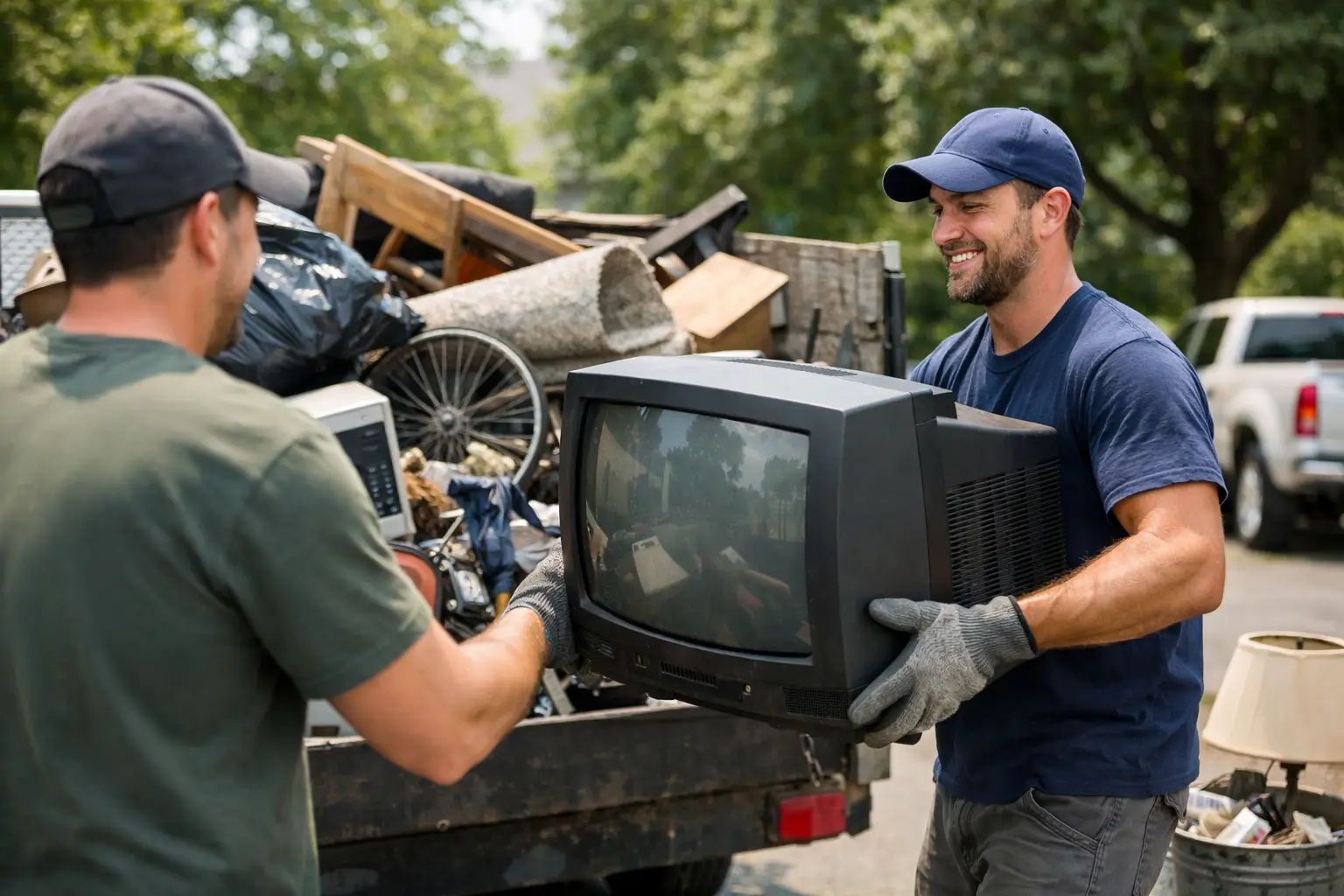

The old couch in the garage, busted shelving in the shed, bags of yard debris by the fence – most people don’t start by asking who hauls junk. They start by asking how to remove junk for free without turning one cleanup project into a bigger headache. That’s a fair question, especially when you’re cleaning out a rental, getting ready to move, or trying to reclaim space without spending more than you have to.
The good news is that free junk removal is possible in some situations. The catch is that “free” usually means you’re trading money for time, effort, flexibility, or a little patience. If you know that going in, you can make better choices and avoid wasting a whole weekend dragging things from one place to another.
The cheapest option is usually to sort your pile before you do anything else. A lot of junk only looks like one big problem until you break it into categories. Usable furniture, scrap metal, cardboard, electronics, yard waste, and plain household trash all move differently. Once everything is mixed together, your free options shrink fast.
Start with the easiest question: what still has value to someone else? If a dresser is scratched but solid, or a table is outdated but usable, don’t treat it like landfill material right away. Set aside anything clean, safe, and functional. That’s the pile most likely to leave for free through donation or local giveaway groups.
Next, separate materials that may have a recycling path. Metal bed frames, aluminum items, old grills, and certain appliances can sometimes be accepted by recycling centers or picked up by scrappers. Then separate standard household trash, since that may need curbside service or a trip to a local transfer station if no free option applies.
This part matters because free removal usually depends on what the item is, what condition it’s in, and how much of it you have. One sofa is different from a whole house cleanout. Three bags of limbs are different from a storm debris pile covering half the yard.
If you want to know how to remove junk for free, this is usually your best first move. People will often pick up furniture, tools, home goods, toys, shelving, and even leftover renovation materials if the items are still useful.
Local giveaway groups, neighborhood apps, and community boards can work well when you’re honest about condition and clear about pickup. A simple description saves everybody time. If a dining table has water damage or a couch comes from a home with pets, say so. The more accurate you are, the better chance someone shows up prepared and actually takes it.
Curb alerts can also work for certain items, especially in neighborhoods where foot traffic or local pickup activity is common. Put usable items neatly by the curb, mark them clearly as free, and bring them back in if local rules don’t allow overnight placement. This works best for smaller household items, basic furniture, or leftover materials like bricks and pavers.
There is a trade-off here. Free pickup by strangers is convenient when it works, but it can also mean no-shows, repeated messages, and items left behind. If you’re on a deadline for a move-out or property turnover, that uncertainty can cost more than the item is worth.
Donations can be a strong option for removing junk for free, but only if the items qualify. Most donation centers do not want broken furniture, stained mattresses, incomplete exercise equipment, or heavily damaged household goods. They’re looking for things they can pass along in usable condition.
Before you load a truck or schedule a donation pickup, check the condition yourself with a practical eye. Ask whether you would give the item to a friend or family member without apologizing for it. If the answer is no, it may not be donation material.
Some donation organizations offer free pickup for larger items, but service areas and schedules vary. In many cases, they’ll only take specific categories, and they may book out farther than you’d like. That makes donation a good fit when your timeline is flexible and your items are in genuinely good shape.
For landlords, realtors, and property managers, donation can help on a light cleanout where a former tenant left behind usable furniture or kitchen items. For estate situations, it can also be a respectful first step before deciding what truly needs to be hauled away.
A lot of homeowners overlook the free or low-cost services already tied to their trash bill. Depending on where you live, bulk pickup days, recycling events, leaf collection, or seasonal cleanup programs may already be available.
This won’t cover every situation, but it can help with certain categories like branches, bagged yard waste, mattresses, or broken furniture. The key is following the local rules. Many programs have limits on how much you can set out, how items need to be bundled, and what days collection happens.
If you skip those details, your pile can sit there untouched while you lose another week. That’s why curbside programs work best for smaller volumes and planned cleanups, not urgent clear-outs.
For renters, there’s another wrinkle. Bulk pickup rules often depend on whether the property owner or management company has arranged service. So before hauling anything to the curb at an apartment or rental property, make sure you know what’s allowed.
Some junk is easier to move once it stops being “junk” and starts being a recyclable material. Scrap metal is the most common example. Old metal patio furniture, grills, pipes, bed frames, and non-working appliances may be accepted by local metal recyclers. In some cases, scrappers will even pick them up if the metal value makes the trip worthwhile.
Electronics are different. TVs, monitors, computers, printers, and other e-waste often need special handling. Some counties, retailers, or local collection events offer free drop-off, but not all do. You may have to wait for a scheduled event, and some items still carry fees.
Cardboard is simpler if it’s broken down and kept dry. Large moving cleanouts usually generate more cardboard than people expect, and that’s one of the easiest things to recycle instead of paying to haul away.
This route works best when you have access to a truck, trailer, or enough time to make drop-offs yourself. If not, the labor and fuel can erase the savings pretty quickly.
Not every cleanup needs to end at the dump. Leftover lumber, cabinets, doors, landscaping stone, fencing, and renovation materials can sometimes be taken for free by someone who can reuse them. That’s especially true for contractors, landlords, and homeowners doing remodels in stages.
The trick is to offer materials before they’re ruined by weather or mixed with actual trash. A stack of dry, usable wood is one thing. A muddy pile with nails, insulation, and broken plastic mixed in is another.
If you’re cleaning out a garage or workshop, tools, hardware, and storage racks may also move quickly through local free groups. Again, clean presentation matters. People are far more likely to pick up organized items than a random heap they have to sort themselves.
This is the part people sometimes need to hear plainly. Free options are best for a few items, a flexible timeline, and materials that still have value. They are usually not the best answer for full property cleanouts, eviction messes, foreclosure debris, construction waste, soaked furniture, broken appliances, or anything heavy that requires serious labor.
That doesn’t mean you did anything wrong. It just means the job has moved beyond what donation groups, curb alerts, and city programs are built to handle.
If you need a house emptied quickly, if the junk is scattered across a property, or if nobody wants the items you’ve posted for free, then the real question changes. It’s no longer “Can I get rid of this for free?” It becomes “What gets this done safely, quickly, and without dragging it out another week?”
That’s where a local full-service crew can make more sense than continuing to chase free options that don’t fit the job. A company like JBC Junk Removal can handle the lifting, loading, hauling, and disposal when the pile is too big, too messy, or too time-sensitive to solve on your own.
If you want the best chance of removing junk for free, sort first, separate anything usable, and work the donation, giveaway, recycling, and curbside paths before you call it trash. Some loads really can disappear that way. And when they can’t, knowing you already tried the smart free options makes the next step a whole lot easier.