
LaGrange, GA and The Surrounding Area

Have Questions? Email Us

7 AM – 6 PM
LaGrange, GA and The Surrounding Area
Have Questions? Email Us
7 AM – 6 PM
Call For A Free Estimate

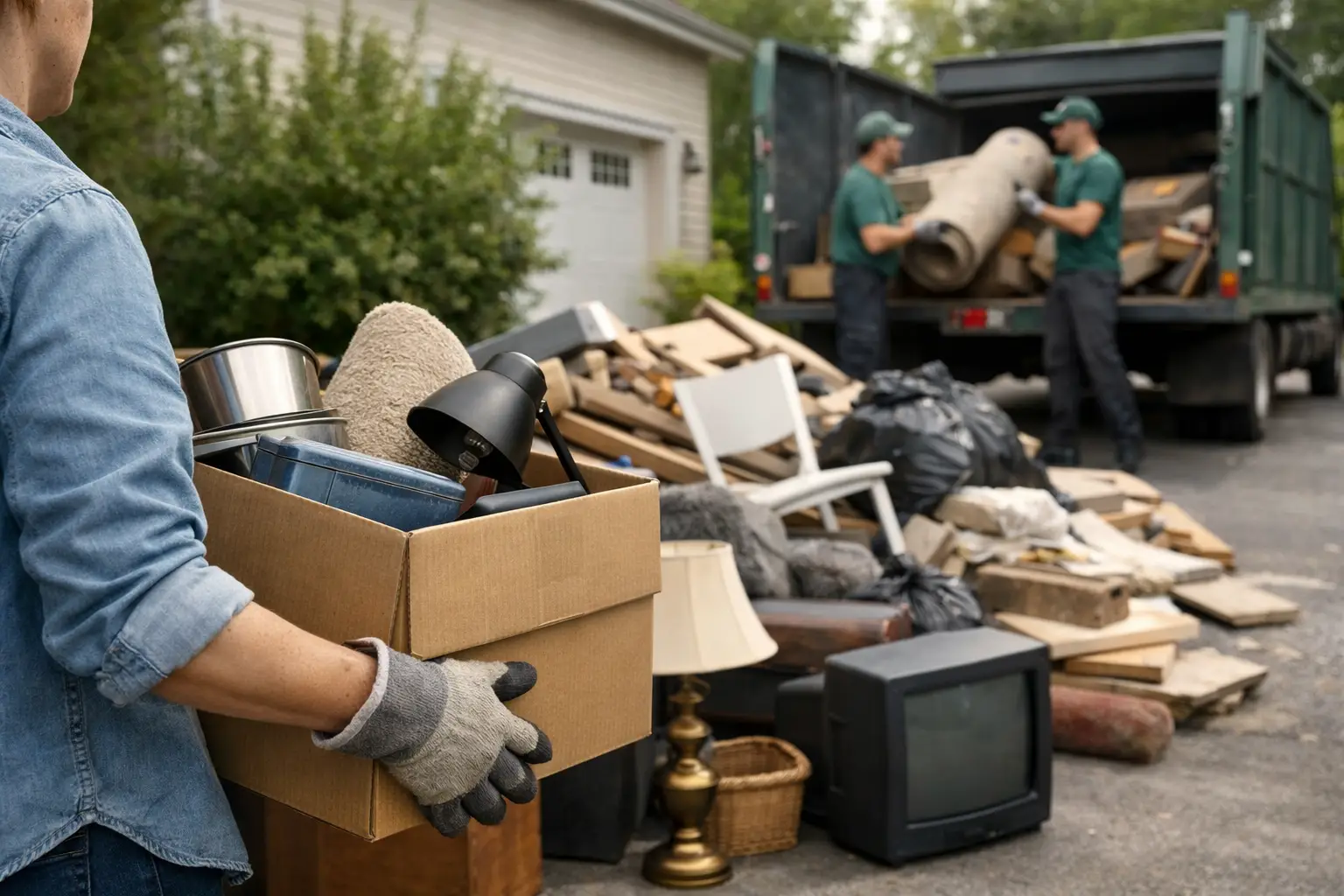

The fastest junk removal jobs usually start before the crew ever pulls into the driveway. If you’re wondering how to prepare for junk removal, a little planning can save you time, avoid confusion, and help the pickup go a lot smoother. Whether you’re clearing out a garage in LaGrange, handling a rental turnover in Newnan, or getting rid of old furniture after a move, the goal is the same – make it easy to identify what goes and keep the job moving.
Some jobs are simple. One couch, one mattress, done. Others involve a packed shed, an estate cleanout, or debris spread across a property. The bigger and more mixed the load, the more helpful preparation becomes. You do not need to do all the heavy lifting yourself, but you should set the job up so the removal team can work safely and efficiently.
Start by deciding exactly what needs to go. This sounds obvious, but it is where many people get stuck. When piles build up over time, it becomes easy to second-guess every item. A good rule is to separate your belongings into three groups: junk to remove, items to keep, and anything you plan to donate, sell, or move somewhere else.
Try to be firm with your decisions before pickup day. If the crew arrives and half the pile is still up for debate, the job slows down and the estimate can become less predictable. For homeowners, that usually means extra stress. For landlords, realtors, and contractors, it can also mean delays that affect the next step of the project.
If you are dealing with a full cleanout, work room by room. That keeps things manageable and helps you avoid missing anything in closets, attics, basements, garages, or outdoor storage areas. In a commercial space, you may want to sort by category instead – furniture, equipment, cardboard, construction debris, or general trash.
One of the smartest things you can do is clearly mark the items that are not being removed. If you are keeping certain furniture pieces, boxed records, tools, or appliances, move them away from the junk if possible. If that is not realistic, label them with tape or place them in a separate room.
This matters most during larger cleanouts, especially estate cleanouts, foreclosures, evictions, and move-outs. In those situations, there may be a mix of obvious trash and items with personal, financial, or legal value. Taking ten minutes to isolate the keep pile can prevent mistakes and keep everyone on the same page.
Families should also watch for sentimental items that get buried in the middle of the mess. Photo albums, jewelry boxes, personal documents, heirlooms, and medication are easy to overlook when you’re focused on clearing space quickly. Once junk is loaded, it is much harder to sort through afterward.
Not everything can be tossed into a standard junk load. Depending on the material, some items may need a different disposal process or may not be accepted at all. Paint, chemicals, fuel, propane tanks, batteries, and certain electronics can fall into that category.
That does not mean your job cannot move forward. It just means you should identify those items early and ask about them when scheduling service. The same goes for especially heavy or awkward pieces like pianos, hot tubs, safes, or large exercise equipment. Letting the company know in advance helps them plan labor, truck space, and safety.
For construction or renovation jobs, it also helps to mention what kind of debris you have. Wood, drywall, concrete, shingles, and mixed demolition material may affect loading time and disposal costs differently than household junk.
You do not need to haul everything to the curb unless the service is curbside only. Full-service junk removal is designed to save you from the hard part. But access still matters.
If possible, clear a path to the junk. Move vehicles out of the driveway, unlock gates, secure pets, and make sure doors can open fully. Inside the house, remove small trip hazards like loose rugs, cords, or boxes stacked in walkways. Outside, keep pathways clear of branches, tools, hoses, or muddy spots if you can.
For apartment cleanouts, storage units, and commercial properties, give any access details ahead of time. Gate codes, loading dock instructions, stair access, elevator rules, and parking restrictions all help avoid delays. Property managers and business owners usually benefit the most from sharing those details upfront because it keeps the job on schedule.
Weather does not stop every junk removal job, but it can change how smoothly the work goes. Rain can make yard waste heavier, outdoor debris harder to handle, and walkways slippery. If your junk is outdoors, covering it with a tarp can help. If you are cleaning out a garage or home during bad weather, allow enough room for the crew to move items without tracking through tight spaces.
Timing also matters. If you are preparing for a move, renovation, listing appointment, tenant turnover, or estate sale, do not wait until the last possible day to schedule pickup. Junk removal companies can often respond quickly, but your ideal time slot may not always be open if you wait too long.
People often ask if they should bag everything up to save money. Sometimes yes, sometimes no. The real pricing factors are usually the amount of space your junk takes up, how labor-intensive the job is, and what type of material is being removed.
Loose debris spread across a backyard usually takes more labor than the same amount of debris stacked neatly in one area. A single recliner is straightforward. Clearing a packed attic with narrow stairs takes more time. That is why preparation can help with cost, even if you are not physically moving the items yourself.
If you want the estimate to be as accurate as possible, describe the job clearly. Photos are often helpful when available. Mention the big items, the approximate volume, whether the junk is inside or outside, and any access challenges. Honest details make it easier to quote the job correctly and avoid surprises.
When pickup day arrives, do one last walkthrough before the crew starts loading. Confirm what is going and what is staying. If there are items in multiple locations, point them out at the beginning instead of mentioning them one at a time halfway through the job.
It also helps to keep children and pets out of the work area. Junk removal involves lifting, carrying, and moving bulky items through doorways, hallways, and across driveways. A clear work zone keeps the job safer for everyone.
If someone else is meeting the crew for you, leave clear instructions. That is common for landlords, real estate agents, and property managers handling vacant units or occupied properties they cannot stay at all day. A quick note, photos, or a phone confirmation can make a big difference.
Not every job needs a full organizing session. If you have one old appliance, a worn-out sofa, or a pile of yard debris that is already separated, there is no need to overthink it. The point of preparation is not to create more work for yourself. It is to remove confusion and make the service faster.
That is especially true when you hire a full-service local company like JBC Junk Removal. The crew should be doing the lifting, loading, and hauling. Your role is to identify the material, provide access, and communicate any special details. After that, the job should feel easier, not harder.
The best approach is simple: know what needs to go, protect what needs to stay, and make the area easy to access. That is really the heart of how to prepare for junk removal. Whether you are cleaning out a family home, turning over a rental, or clearing debris from a job site, a little preparation helps the day move faster and with less stress.
If the pile has gotten bigger than expected, do not let that stop you from moving forward. Most people call for junk removal because they are ready to get the mess off their hands, not because they have everything perfectly sorted. Start with the obvious items, make a plan for the rest, and let the cleanup finally start.