
LaGrange, GA and The Surrounding Area

Have Questions? Email Us

7 AM – 6 PM
LaGrange, GA and The Surrounding Area
Have Questions? Email Us
7 AM – 6 PM
Call For A Free Estimate

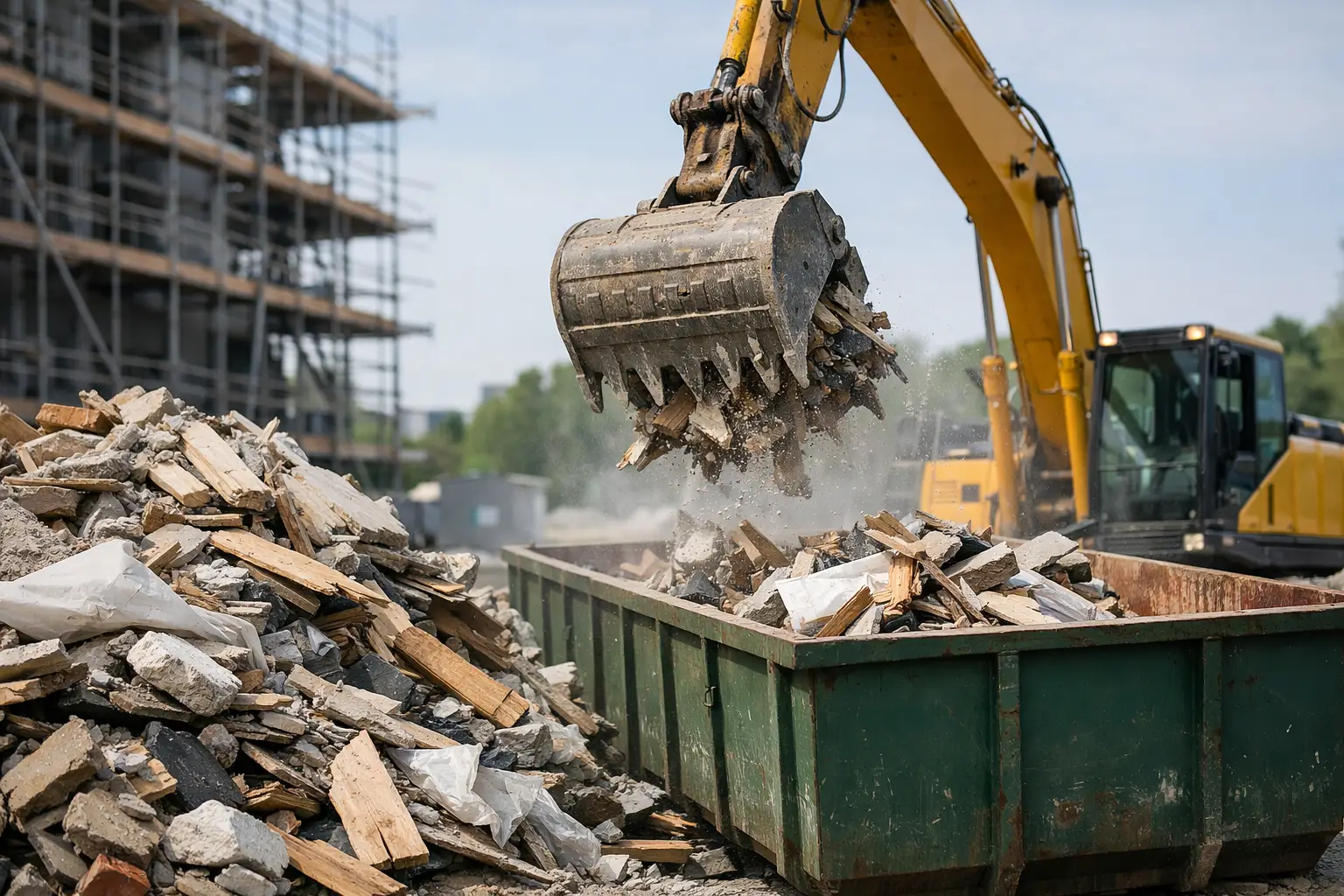
A remodeling job can look finished while the mess says otherwise. Drywall scraps, busted tile, old cabinets, lumber offcuts, and torn-out flooring pile up fast, and if you do not have a clear plan, cleanup can drag out the whole project. This construction debris disposal guide is built to help homeowners, landlords, property managers, and contractors handle debris the right way without wasting time, money, or energy.
Construction debris is not the same as regular household junk. It is heavier, messier, and often harder to load safely. Some materials can go to a landfill, some need to be separated, and some should never be mixed into the same pile at all.
That is where people get into trouble. They rent too small of a dumpster, overload a trailer, leave nails and broken glass scattered around a property, or assume the local trash service will take everything at the curb. In reality, disposal rules, weight limits, and labor demands can turn a simple cleanup into a bigger headache than the project itself.
A good plan keeps the site safer, speeds up the job, and helps avoid extra hauling charges. It also protects driveways, lawns, and walkways from damage caused by careless loading or piles that sit too long.
Most renovation and demolition projects create a mix of material, not just one type. Common debris includes drywall, wood, flooring, tile, shingles, bricks, concrete, insulation, cabinets, sinks, toilets, windows, doors, fencing, and old fixtures. For larger jobs, you may also have pallets, packaging, scrap metal, and leftover materials that never got used.
The tricky part is that disposal options depend on what is in the pile. Clean lumber is different from pressure-treated wood. Plain drywall is different from material with mold or water damage. Concrete can sometimes be recycled, while mixed debris often goes straight to a disposal site.
If you are cleaning out a rental turnover or foreclosure, the load may also include furniture, appliances, carpet, and general trash mixed in with renovation waste. That usually calls for a more hands-on removal approach because the debris is no longer cleanly separated.
The fastest cleanups usually start with a little sorting. That sounds backward, but it saves time once loading begins.
Keep heavier materials like concrete, brick, dirt, and roofing separate from lighter debris such as cardboard, wood trim, and drywall. If everything is thrown together from the start, disposal gets more expensive and harder to manage. Mixed loads are common, but they also tend to be the least efficient option when weight becomes an issue.
You should also separate out anything hazardous or restricted. Paint, solvents, chemicals, fuel, asbestos-containing materials, and certain electronics are not standard construction debris. These items usually require a different disposal method and should never be hidden inside a general debris load.
Even basic sorting on-site can help with safety. Sharp metal, broken glass, and exposed nails are easier to handle when workers know where they are instead of discovering them under a pile of carpet and sheetrock.
This is where the right choice depends on the job.
A dumpster works well when debris will build up over several days and there is enough space to place it. Contractors often prefer this for ongoing remodels, roofing jobs, or large tear-outs. The downside is that you do the loading yourself, weight overages can add up, and some properties do not have a good place to set one without blocking access or risking driveway damage.
A trailer can work for smaller jobs, especially if you already have equipment and labor available. But hauling debris yourself takes time, and many people underestimate how quickly multiple dump runs eat into the day.
Full-service pickup makes the most sense when the debris is already piled, the property has limited access, or you want the labor handled for you. This option is also practical for landlords, homeowners, and property managers who do not want to coordinate loading crews or worry about disposal details. A local company can often remove debris faster than a do-it-yourself setup, especially when the material is scattered across a garage, backyard, curb, or interior space.
Concrete, brick, dirt, tile, and roofing shingles can get extremely heavy with less volume than people expect. A pile that looks manageable may already be too much for one container or one pickup truck. Weight is one of the biggest reasons disposal costs change mid-job.
Then there are restricted materials. Items like paint cans with liquid still inside, propane tanks, batteries, chemicals, asbestos, and certain refrigerant-based appliances are usually handled under different rules. Mixing those into a general construction debris load can delay removal or create disposal problems at the landfill.
Clean wood, scrap metal, cardboard, and some concrete may have recycling value depending on the amount and the local facility. But that only helps if the material is kept reasonably separate. If it is all mixed together with trash and broken fixtures, the easier route is usually general disposal.
If you are not sure about a material, ask before loading. That one phone call can save you from having to unload a container or pay extra to fix a mixed load later.
Debris removal is not just about the pile itself. Access matters just as much.
Think about where the material is located and how it will be carried out. A ground-level driveway pile is straightforward. A second-floor apartment renovation, a fenced backyard, or a downtown commercial space with limited parking is not. Narrow hallways, loose steps, muddy yards, and active tenants all slow down a job if nobody plans ahead.
If you are hiring help, let the removal crew know what they are walking into. Mention stairs, distance from the truck, gate codes, low-hanging wires, or whether debris is inside the home. Good communication leads to more accurate estimates and a smoother pickup.
This is also a good time to move vehicles, unlock gates, and keep pets and children clear of the work area. A clean path speeds everything up and lowers the chance of accidental damage.
Construction debris has a way of looking less dangerous than it is. A small pile can hide nails, splintered wood, razor-sharp metal, and broken glass. Dust from drywall, insulation, or old flooring can also create breathing issues in enclosed spaces.
Basic protection goes a long way. Gloves, work boots, eye protection, and careful lifting matter whether you are handling one bathroom demo or a full property renovation. For heavier materials, the real issue is not just whether you can lift them once. It is whether you can keep lifting them safely for an hour without straining your back or dropping debris where it can damage floors and thresholds.
For occupied homes and rental properties, cleanup should also include a sweep for loose nails and sharp fragments after the bulk of the debris is removed. That final pass is easy to skip and often the difference between a job that feels finished and one that still feels hazardous.
If the project is small and the debris is light, doing it yourself can be reasonable. But once the pile gets heavy, mixed, or spread out across the property, labor becomes the real challenge.
That is when full-service junk removal tends to make more sense than a container alone. You are not just paying for hauling. You are paying for loading, lifting, sorting, and getting the debris out without tying up your own time or crew. For landlords on a turnover, realtors preparing a listing, or contractors trying to keep the next phase on schedule, that speed matters.
A local, licensed and insured crew can also be a better fit than a one-size-fits-all national service. You usually get quicker scheduling, more flexibility, and clearer communication. In markets like West Georgia and East Alabama, where property types and access situations vary a lot, practical local experience goes a long way. Companies like JBC Junk Removal handle this kind of work every day, which means less guesswork and fewer delays.
Price still depends on volume, weight, material type, and access. That is why free estimates are useful. A fair quote should reflect the actual job, not a generic number that changes once the crew arrives.
The best time to think about debris removal is before the pile gets out of hand. If you know demolition is coming, have a plan for where material will go, how it will be separated, and when it will be picked up. Waiting until the end often means more mess, more labor, and more stress.
A clean jobsite is easier to work on, easier to show, and easier to finish strong. Whether you are fixing up a rental, remodeling your home, or wrapping up a contractor job, debris should not be the part that holds everything up. Handle it early, ask questions when a material seems questionable, and choose the disposal option that fits the job instead of forcing the job to fit the cleanup.
3 responses to “Construction Debris Disposal Guide”
[…] Garages also tend to collect job leftovers. Contractors and homeowners often call for pickup after a remodel because the space is filled with wood scraps, packaging, drywall pieces, or other debris that will not fit in weekly trash service. […]
[…] or storage-room clutter. Contractors and remodelers can use recurring service when projects create steady debris but do not require a large roll-off container on […]
[…] certain usable items may be recyclable or reusable. Heavy mixed debris usually needs to go to an approved disposal facility. That is why tossing everything into one pile without a plan can create extra work […]