LaGrange, GA and The Surrounding Area

Have Questions? Email Us

7 AM – 6 PM
LaGrange, GA and The Surrounding Area
Have Questions? Email Us
7 AM – 6 PM
Call For A Free Estimate
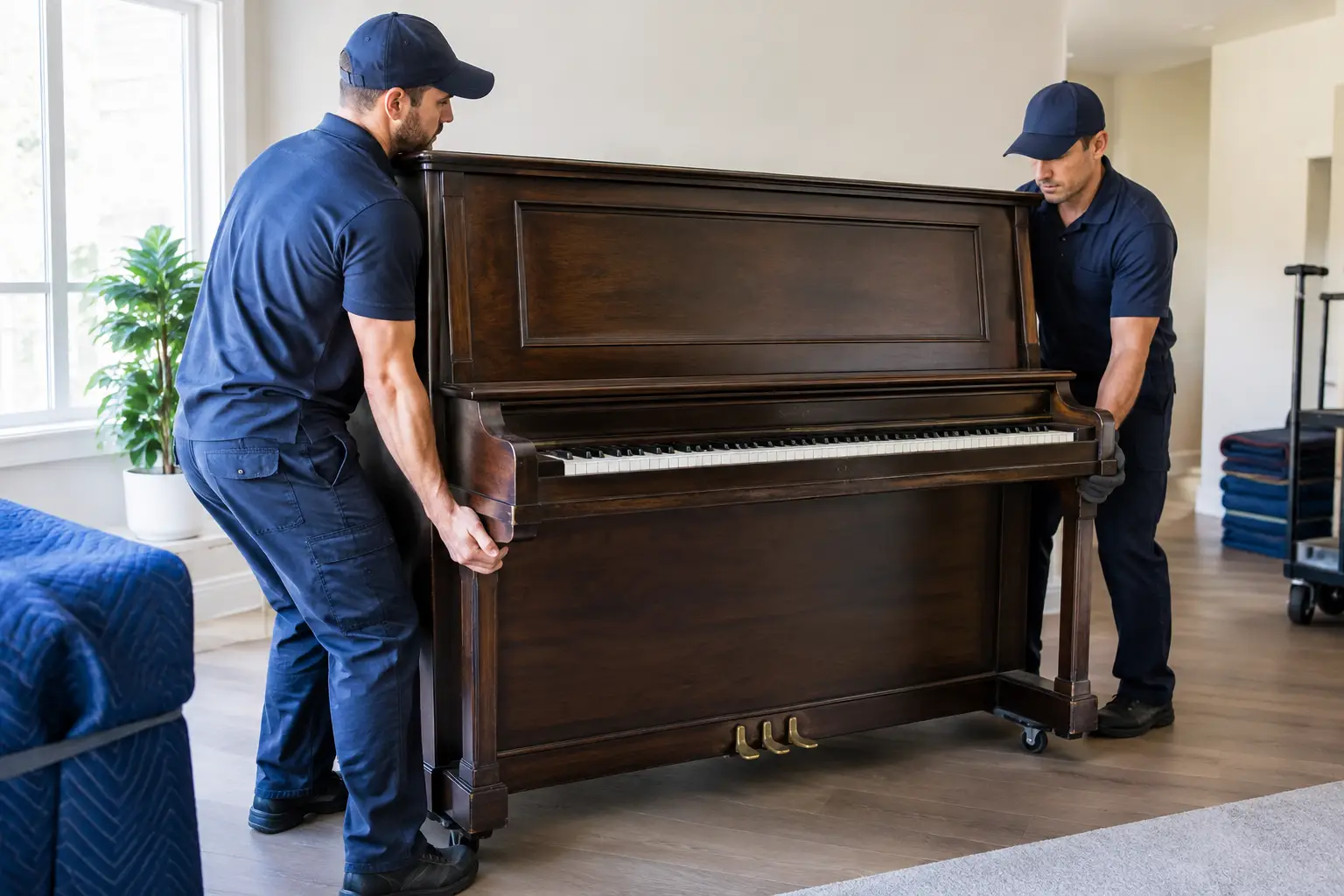
An old piano can take up an entire wall, collect years of family memories, and become nearly impossible to move once it is no longer being played. So, can crews remove old pianos? In most cases, yes. A professional junk removal crew can haul away upright, console, spinet, digital, and many baby grand pianos with the right planning, equipment, and manpower.
Piano removal is not a typical furniture pickup. These instruments are heavy, awkwardly shaped, and often located in the least convenient room in the house. Whether you are clearing an estate, preparing a rental for the next tenant, downsizing, or finally making room for a new layout, hiring a crew can save your back, your walls, and a long weekend of frustration.
Most full-service junk removal crews can remove an old piano directly from your home, garage, apartment, office, storage unit, or rental property. The crew handles the lifting, loading, securing, and hauling so you do not have to find a truck, recruit friends, or figure out where the piano can legally be taken.
The type of piano matters. A small spinet or console piano may weigh 300 to 500 pounds. A standard upright commonly weighs 400 to 800 pounds, while a baby grand can weigh several hundred pounds more. Large grand pianos may require additional crew members, special moving equipment, or a more detailed plan before removal.
Access matters just as much as weight. A piano on the ground floor with a clear path to the driveway is usually straightforward. A piano in a basement, upstairs bedroom, tight hallway, or apartment with stairs takes more time and labor. A dependable crew will ask about the piano size, location, stairs, gates, turns, and parking before giving a clear estimate.
Pianos are built around a heavy cast-iron plate that holds the string tension. That plate, along with the wood frame, keys, hardware, pedals, and internal components, makes a piano much heavier than it looks. Even an old piano that no longer works can be a serious lifting hazard.
Trying to slide it across a floor or down porch steps can damage hardwood, tile, drywall, railings, and door frames. More importantly, it can cause injuries. A few friends may be strong enough to lift one side, but safe piano removal depends on balance, communication, proper dollies, straps, padding, and knowing when a staircase or doorway creates too much risk.
Professional crews plan the route before lifting. They protect nearby surfaces when needed, keep the load stable, and use a team sized for the job. This is especially helpful for landlords and property managers who need a vacant unit cleared quickly without creating repair work before the next move-in.
Not every old piano follows the same path after removal. Its age, condition, make, and playability all affect what can be done with it.
A piano in good condition may be worth donating, selling, or giving to a local musician, school, church, or community organization. However, the word “free” does not always make a piano easy to give away. Many organizations only accept working instruments that hold a tune, have no major structural damage, and can be moved safely into their building. A piano that needs expensive repairs may not be a practical donation.
Pianos that are broken, water-damaged, pest-damaged, missing parts, or badly out of tune are often handled as junk removal. Where possible, materials such as wood, metal, and electronics may be separated for appropriate disposal or recycling. Disposal options vary by facility and local regulations, so it is best to let the removal company determine the responsible option for the specific piano.
The goal is not simply to get it out of the room. It is to remove it safely and handle it responsibly after it leaves your property.
Piano removal pricing is usually based on the work required, not just the fact that an item is a piano. A company may consider the piano’s size and weight, the number of crew members needed, stairs, distance from the truck, tight access points, and disposal or recycling fees.
For example, removing a small upright from a ground-floor garage is generally less involved than removing a heavy antique upright from a second-floor room with a narrow staircase. A baby grand may need partial disassembly or additional handling. If the pickup is part of a larger estate cleanout, garage cleanout, or move-out cleanup, the piano can often be included in a broader removal estimate.
The best approach is to request a free estimate and describe the access honestly. Photos can also help a crew understand the situation before arrival. Clear details help prevent surprises and allow the company to bring the right equipment and team.
You do not need to move the piano yourself before the crew arrives. In fact, it is safer to leave it in place until trained movers or removal professionals can assess it. There are a few simple things you can do to make the appointment easier.
Clear small furniture, boxes, rugs, and decorations from the path between the piano and the exit. Make sure pets are secured and children are away from the work area. If the crew will need access through a gate, garage, or side entrance, unlock it before the scheduled arrival window. For apartment and commercial properties, reserve an elevator or loading area if the building requires it.
It also helps to remove personal items from inside or around the piano. Check the bench, sheet music compartments, and nearby cabinets. People often find photographs, receipts, jewelry, old sheet music, or other keepsakes that were tucked away years ago.
If the piano has sentimental value, consider taking a few photos before pickup. Some families keep the music stand, pedals, decorative woodwork, or a small piece of the piano as a memento. Once removal begins, the priority is safe handling, so decide what you want to save beforehand.
Old piano removal comes up more often during major transitions than during ordinary spring cleaning. Estate cleanouts are a common example. A family may need to clear a parent’s home, and the piano is one of the largest items left behind. In that situation, a full-service crew can remove the piano along with furniture, appliances, boxes, and other household clutter.
Rental turnovers can create another need. A former tenant may leave behind a damaged piano that a landlord cannot move alone. Realtors may need one removed before listing photos or an open house. Contractors may need an old piano hauled away during a renovation when a room is being opened up or flooring is being replaced.
For homeowners in LaGrange, Hogansville, Newnan, and nearby West Georgia communities, a local crew is often the practical choice when timing matters. JBC Junk Removal provides hands-on, licensed and insured removal service for single bulky items as well as larger property cleanouts, with a focus on making the job fast, friendly, and affordable.
There are situations where piano removal requires a closer look. A piano wedged into an extremely tight space, located above multiple flights of stairs, or sitting in a deteriorated structure may require special planning. The same is true if a piano has been exposed to flooding, severe fire damage, or animal contamination.
A professional company should not promise a simple pickup without understanding those conditions. Asking questions is a sign that the crew is taking safety seriously. In some cases, the piano may need to be partially dismantled or removed through a different exit. That can add labor, but it is better than risking injury or property damage.
An unwanted piano does not need to become a permanent fixture in your home, rental, or business. A clear path, an honest estimate, and a capable local crew can turn one of the toughest items to move into one less thing on your list.