
LaGrange, GA and The Surrounding Area

Have Questions? Email Us

7 AM – 6 PM
LaGrange, GA and The Surrounding Area
Have Questions? Email Us
7 AM – 6 PM
Call For A Free Estimate

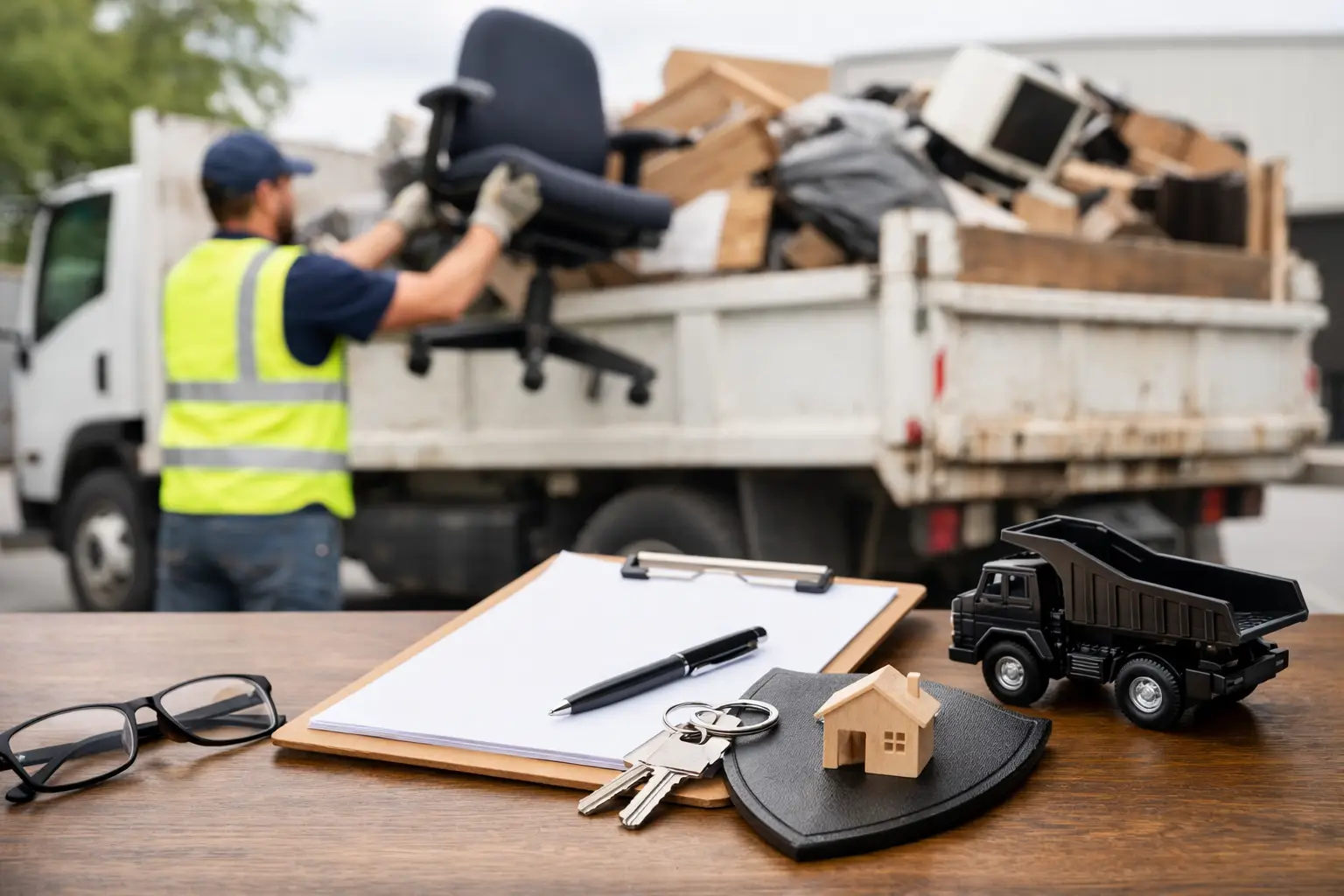

A loaded trailer, a tight parking lot, and a building manager who needs the space cleared before tenants arrive – that is exactly where commercial junk removal insurance matters. When a crew is hauling office furniture, construction debris, retail fixtures, or bulk trash, one accident can turn a routine pickup into a costly problem. Good insurance helps protect the business, the customer, the property, and the people doing the work.
For commercial customers, this is not a small detail buried in paperwork. If you own a business, manage rental property, oversee a jobsite, or coordinate vendor access for a commercial building, you want to know the company you hire is covered if something goes wrong. And if you run a junk removal business, carrying the right insurance is part of doing the job responsibly.
Commercial junk removal insurance is not usually one single policy. It is a mix of coverages that protect against the real risks that come with lifting, loading, driving, dumping, and working on someone else’s property. A junk removal company handles heavy items, sharp materials, tight access points, trucks, trailers, labor crews, and disposal sites. That creates more exposure than many people realize.
At the most basic level, insurance is there for the moments nobody plans for. A worker could damage a customer’s doorway while removing a large desk. A truck could back into a parked vehicle. Debris could shift during transport. An employee could get hurt lifting a waterlogged couch or broken concrete. Insurance helps cover those losses depending on the policy and the situation.
That is why you often see reputable companies describe themselves as licensed and insured. It is a sign they take the work seriously and understand that junk removal is physical, fast-moving service work with real liability attached.
If you are hiring a junk removal company for a storefront cleanout, apartment turnover, warehouse purge, office relocation, or construction debris haul-off, insurance should be one of the first things you ask about. Price matters. Fast scheduling matters. But coverage matters when the job involves your building, your tenants, your timeline, and your reputation.
A property manager may need a crew to clear abandoned items from multiple units. A contractor may need debris removed without slowing down other trades. A realtor may need a foreclosure cleaned out before listing photos. In each case, uninsured work creates extra risk for the person hiring the service.
Some commercial properties and managed communities require proof of insurance before a vendor can even get on site. That is common for apartment complexes, office buildings, retail centers, and HOA-managed properties. It protects everyone involved and helps avoid disputes if there is property damage or an injury claim.
This is one of the core coverages for a junk removal company. General liability insurance typically helps cover third-party bodily injury, property damage, and some legal costs. If a crew scratches flooring, breaks a glass door, or damages part of a loading area during removal, this is often the policy people expect to respond.
Still, coverage is not unlimited, and not every claim is approved automatically. Deductibles, exclusions, and policy limits matter. That is why business owners should not just say they are insured. They should know what their policy actually covers.
Junk removal depends on trucks, trailers, and constant driving. Commercial auto insurance helps cover vehicles used for business purposes. This matters because a personal auto policy usually does not provide the right protection for a truck hauling junk from commercial job sites.
If a driver causes an accident on the way to a landfill or while leaving a customer property, commercial auto coverage may help with damages and liability, depending on the policy. For a business that runs multiple pickups a day, this is essential, not optional.
Junk removal is hands-on labor. Crews lift appliances, furniture, bagged trash, yard waste, construction debris, and all kinds of heavy or awkward items. Workers’ compensation helps cover medical expenses and lost wages if an employee gets hurt on the job.
For commercial clients, this is a major point. If a worker is injured during a cleanout at your property, you want to know the company has proper coverage in place. It is one more reason insured vendors are usually the safer choice.
Some junk removal businesses use specialty tools, dollies, trailers, bins, and equipment that move from job to job. Inland marine or equipment coverage may protect those items from theft or damage. This is not always the first policy people think about, but it can matter for larger operations handling frequent commercial work.
For companies taking on bigger contracts, umbrella insurance adds extra liability protection above certain policy limits. This can be useful when working at larger commercial properties where a serious accident could create claims that exceed standard coverage amounts.
Insurance helps, but it is not a blank check for every problem. That is where people can get confused.
For example, some policies exclude pollution-related claims, hazardous materials, employee dishonesty, or damage caused by improper disposal. If a company handles chemicals, asbestos, or biohazards without the right specialty coverage, a standard policy may not apply. The same goes for certain high-risk work or vehicle use that was not disclosed properly to the insurer.
That is why it depends on the kind of junk being removed. General office cleanouts, furniture hauling, and routine debris removal are one thing. Hazardous waste, demolition-heavy cleanup, and regulated material disposal are another. A professional company should be clear about what it can and cannot haul, and what its insurance is built to support.
If you are hiring for a commercial job, do not be shy about asking questions. A dependable company should expect it.
Start by asking whether they carry general liability, commercial auto, and workers’ compensation. If the job is for an apartment complex, retail center, office building, or contractor site, ask whether they can provide a certificate of insurance. If your property management group or facility requires specific limits, confirm that before the job is scheduled.
It also helps to ask practical questions instead of just insurance questions. Are employees trained to move heavy items without damaging walls and floors? Are trucks and trailers used commercially? Do they handle disposal legally and responsibly? Insurance is part of the picture, but careful operations help prevent claims in the first place.
Some customers focus only on the lowest quote. That can backfire quickly. An uninsured or underinsured operator may offer a cheaper rate, but the risk shifts to the customer if something goes wrong.
A single incident can cost far more than the money saved on the job. Damage to pavement, curbs, landscaping, doors, elevators, or parked vehicles can become expensive fast. Delays can also create business losses when a site is not cleared on time.
Paying for a professional, insured crew usually means you are paying for more than labor and hauling. You are paying for accountability. For commercial customers managing deadlines, tenants, inspections, or turnovers, that peace of mind is worth a lot.
In local service businesses, trust is built by showing up on time, doing what you said you would do, and handling problems the right way. Insurance supports that. It tells customers the company is operating like a real business, not just a truck and a phone number.
For a local company serving businesses, property managers, contractors, and landlords, being insured is part of being dependable. It fits with the kind of service people expect when they are hiring someone to work on their property, around tenants, or alongside other crews. Companies like JBC Junk Removal understand that customers are not just buying a haul-off. They are hiring a team to solve a problem without adding a new one.
If you own or are starting a junk removal company, the right insurance setup depends on your size, vehicles, services, and customer base. A business doing occasional residential pickups may need something different from a crew handling recurring apartment cleanouts, office furniture removal, and construction debris for commercial accounts.
The smart move is to be honest about the work you actually do. If you haul trailers daily, use multiple workers, enter managed properties, or take on contractor jobs, your policy should reflect that. Cutting corners on coverage may save money on premiums for a while, but it can leave the business exposed when one claim hits.
The best insurance plan is not always the cheapest one. It is the one that matches your real-world risk, keeps you compliant, and gives customers confidence when they hire you.
When a commercial customer asks whether your junk removal company is insured, they are really asking something bigger: can we trust you on this property, with this deadline, and with this job? The right answer is not just yes. It is being prepared enough to prove it.
One response to “Commercial Junk Removal Insurance Explained”
[…] a licensed and insured junk removal company gave the office manager one point of contact for the labor, loading, hauling, […]