
LaGrange, GA and The Surrounding Area

Have Questions? Email Us

7 AM – 6 PM
LaGrange, GA and The Surrounding Area
Have Questions? Email Us
7 AM – 6 PM
Call For A Free Estimate

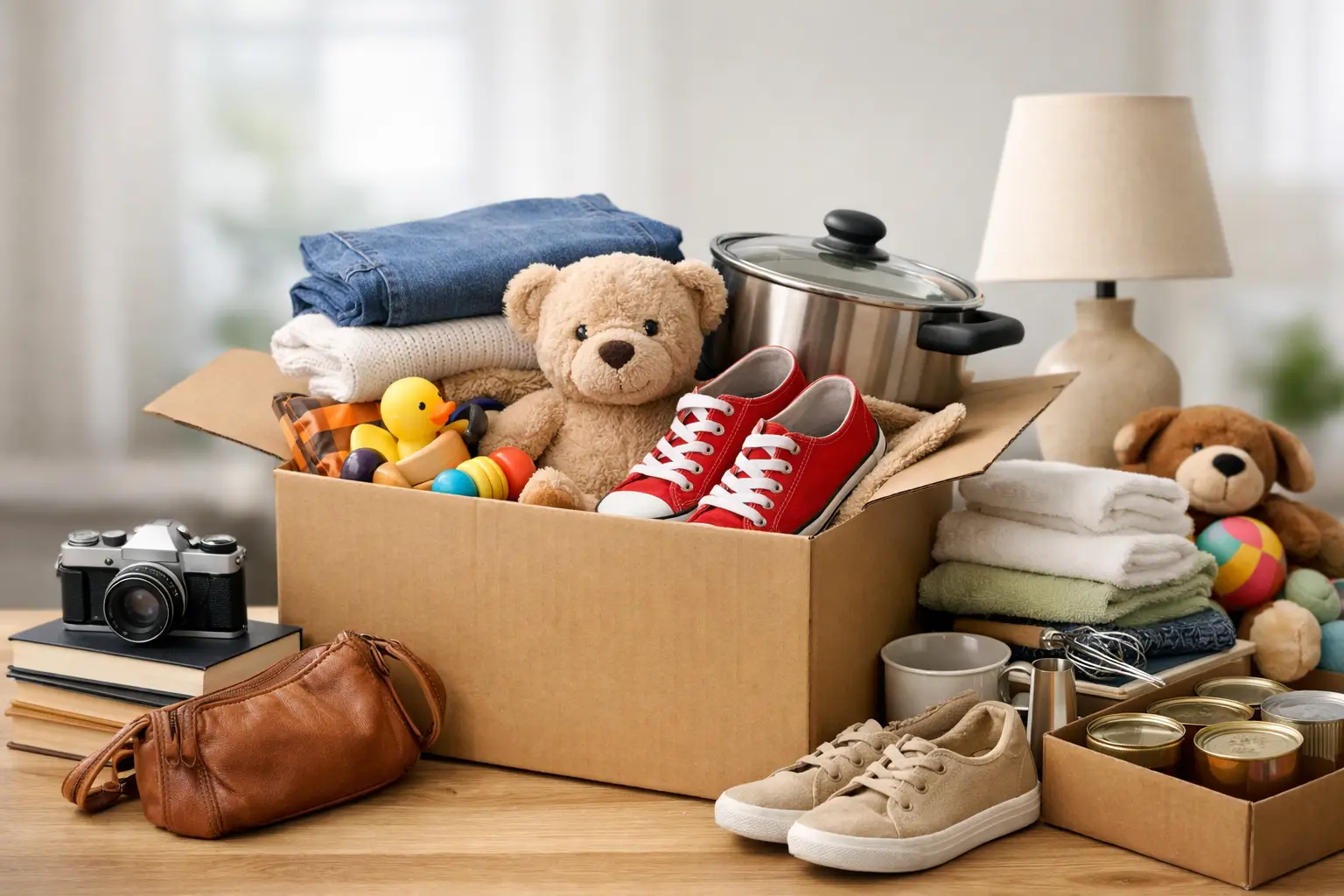

That garage cleanout, estate cleanout, or move-out usually starts the same way – one pile for trash, one pile for keep, and a third pile you are not quite sure about. If you are sorting through the best items to donate after cleanout, the goal is simple: keep good, usable things in circulation and avoid paying to haul away items that could still help someone else.
The tricky part is knowing what is actually worth donating. Not everything in decent shape is accepted, and not everything accepted is easy to move. A smart donation plan can save time, reduce disposal costs, and make the whole cleanout feel a lot less wasteful.
A good donation item is clean, safe, and ready for another person to use without much extra work. If something is broken, heavily stained, missing major parts, or unsafe, it usually belongs in the junk pile instead. Most donation centers and charities do not have the staff or budget to repair damaged goods.
A good rule is this: if you would feel comfortable giving it to a neighbor, friend, or family member, it may be donation-worthy. If you would apologize before handing it over, it probably is not.
There is also a practical side to this. During large property cleanouts, bulky items can take up valuable space in trucks and trailers. Separating truly donatable items early helps keep the removal process faster and more affordable.
Furniture is often one of the best donation categories because it has immediate value. Dressers, nightstands, bookshelves, kitchen tables, chairs, and bed frames can all be helpful to families setting up a home on a budget.
Condition matters more than age. A scratched wood table may still be useful, but a couch with pet damage, strong odors, broken springs, or major stains is less likely to be accepted. Mattresses are especially hit or miss because many organizations have strict rules around sanitation and bed bugs.
If you are clearing out a rental, estate, or foreclosure, furniture is worth separating first. It is bulky, and if it can be donated instead of dumped, that can cut down on both labor and disposal volume.
Clothing is one of the easiest categories to donate, especially everyday wear, kids’ clothing, workwear, jackets, and shoes in decent condition. Seasonal items can be especially useful when there is local demand for coats, blankets, and cold-weather gear.
The key is to avoid donating clothes that are ripped, badly stretched out, stained, or mildew-damaged. A full bag of low-quality items creates more work for donation staff and may end up as trash anyway. Wash what you can before drop-off. Clean, folded, wearable clothing is far more likely to be useful.
Pots, pans, dishes, silverware, glassware, mixing bowls, and small countertop items often make great donations. These are the things people need right away when moving into an apartment or replacing basics after a major life change.
Used kitchen items should be clean and complete. A set of plates is helpful. Three random chipped plates are not. The same goes for coffee makers, toasters, and microwaves – if they work well and are clean, they may be welcome. If cords are damaged or performance is unreliable, they are better handled as junk or electronics recycling.
Lamps, mirrors, wall art, curtains, rugs, and simple decor pieces can all be donated when they are clean and in usable condition. These items may not seem essential, but they help people make a house or apartment feel livable.
That said, trends matter a little here. Heavy damage, outdated custom pieces, broken blinds, and worn rugs are harder to place. Neutral, practical items tend to have the best chance of being reused.
Families often uncover boxes of toys during attic, garage, or bedroom cleanouts. Many of these can be donated if they are clean, safe, and complete. Stuffed animals, board games with all pieces, books, dolls, and basic play sets are often good candidates.
Skip anything broken, missing parts, recalled, or heavily worn. Cribs, car seats, and some baby gear can be restricted because of safety standards, so these items are not always simple donation items even if they look fine.
Books are easy to donate when they are dry, readable, and in decent shape. Children’s books, novels, cookbooks, study materials, and general nonfiction often find a second home quickly. School supplies like binders, folders, backpacks, and unused notebooks can also be useful.
Old textbooks, moldy books, or boxes of damaged paper goods are another story. Those may add weight without much value. When you are handling a large cleanout, it helps to sort books with some judgment instead of donating every printed item by default.
Basic hand tools, shovels, rakes, hoses, and working yard tools can be strong donation items, especially for someone furnishing a first home or maintaining a property on a tight budget. Toolboxes with usable contents are often more valuable than people realize.
Power tools can be donatable too, but only if they work safely. If cords are frayed, batteries are dead beyond use, or the tool has obvious defects, it is better not to pass that problem to someone else.
For commercial cleanouts, there are often good donation opportunities in desks, file cabinets, chairs, shelving, whiteboards, and office supplies. Small businesses, churches, and community groups may benefit from these kinds of items.
The challenge is size and demand. Large cubicle systems or outdated office furniture can be difficult to place, even if still usable. In those cases, donation sounds good in theory but may slow down the cleanout if no one actually wants the items.
Some things create more trouble than good. Heavily worn mattresses, broken furniture, opened paint, hazardous materials, stained carpet, damaged particleboard pieces, and anything with mold, pests, or strong odors should usually be removed as junk instead.
Appliances are another category where it depends. A clean, newer mini fridge or working washer may be useful. An older refrigerator that barely cools and leaks on the floor is not a donation – it is a hauling job.
Electronics can go either way too. Working TVs, monitors, and small devices may be accepted in some places, but outdated or broken electronics often need proper recycling rather than donation.
The fastest approach is to make decisions by category, not one item at a time. Start with the obvious keeps, then identify clear trash, then build a donation pile from what is left. Trying to debate every lamp, jacket, and side table will wear you out fast.
For larger cleanouts, use a simple standard: clean, safe, and useful goes in the donate area. Broken, dirty, or questionable goes in the remove area. This keeps the project moving and prevents a donation pile from becoming a holding zone for things nobody really wants.
It also helps to think about transport early. A box of dishes is easy to donate. A three-piece sectional on the second floor takes planning. Sometimes the best choice is not just what can be donated, but what can realistically be moved without adding days to the job.
Most real cleanouts are not all one thing. There is usually a mix of reusable items, true trash, bulky junk, and materials that need special handling. That is especially common in estate cleanouts, eviction cleanouts, storage unit cleanouts, and property turnovers.
When you separate the best donation items first, the rest of the job gets easier. You reduce landfill waste, free up usable space faster, and avoid paying to dispose of things that still have life left in them. Then the non-donatable items can be removed safely and efficiently.
For homeowners, landlords, property managers, and realtors, that balance matters. A cleanout does not need to turn into a weeklong project. If you know what should be donated and what should be hauled away, you can get the property cleared faster and with a lot less stress.
If you are staring at a packed garage, a full rental unit, or a house after a major transition, start with the items another family could use today. That one decision often makes the entire cleanout feel lighter.
2 responses to “12 Best Items to Donate After Cleanout”
[…] safe, and still useful. Tables, chairs, bedroom furniture, small appliances, kitchenware, and working home goods may be accepted by local charities or resale organizations. It is a practical way to reduce waste […]
[…] helps to decide where items will go before you begin. Keep one area for things you are keeping, another for donations, and a separate area for trash and junk removal. If space is tight, work in small zones instead of […]