
LaGrange, GA and The Surrounding Area

Have Questions? Email Us

7 AM – 6 PM
LaGrange, GA and The Surrounding Area
Have Questions? Email Us
7 AM – 6 PM
Call For A Free Estimate

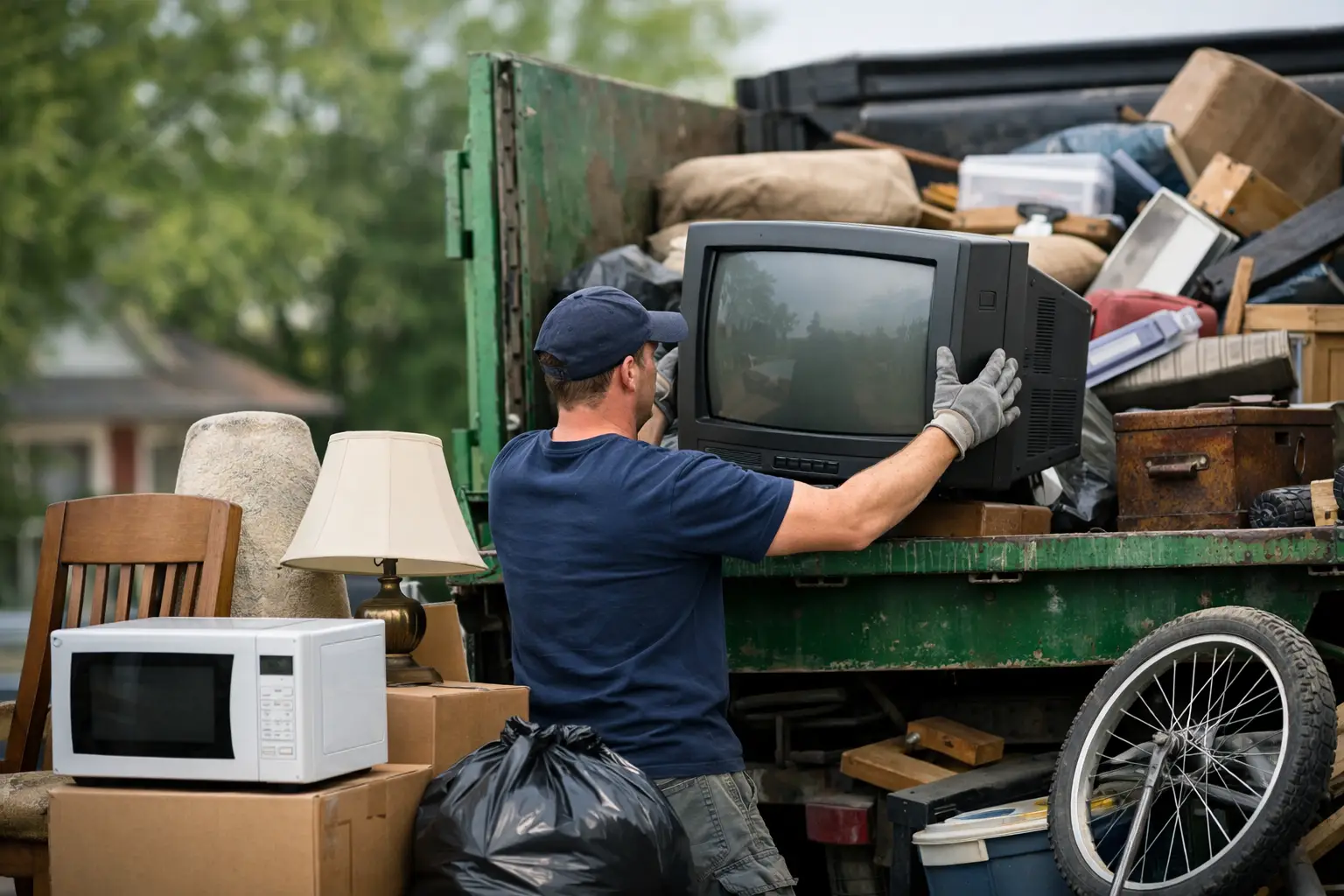
That old couch in the garage, the broken treadmill on the patio, the pile of boxes left after a move – most people don’t call a hauler until the mess starts taking over space they actually need. If you’re asking what items can haulers take, the short answer is a lot more than most people expect. The longer answer is that it depends on the type of material, local disposal rules, and whether the job involves standard junk, heavy debris, or items that need special handling.
For homeowners, renters, landlords, and property managers, that difference matters. It can save you time, prevent a wasted trip to the dump, and help you know when a full-service junk removal crew is the better option.
In most cases, haulers can take common household junk, bulky furniture, non-hazardous debris, and a wide range of unwanted items from homes, apartments, offices, storage units, and job sites. If it can be lifted, loaded, and legally disposed of through normal channels, there’s a good chance it can be hauled away.
Furniture is one of the most common categories. That includes couches, sectionals, recliners, mattresses, box springs, bed frames, dressers, tables, desks, filing cabinets, bookshelves, and dining chairs. Large furniture is exactly the kind of item people don’t want to move on their own, especially when stairs, tight hallways, or second-floor apartments are involved.
Appliances are also frequently accepted, although the exact type matters. Washers, dryers, dishwashers, ovens, stoves, microwaves, and water heaters are usually straightforward. Refrigerators, freezers, and air conditioning units may require extra steps because of refrigerants or disposal rules, so it’s smart to ask first instead of assuming.
General household junk usually fills out the rest of the load. That can include toys, clothes, bagged trash, broken decor, old rugs, lamps, small exercise equipment, kitchen items, holiday decorations, cardboard, and boxes of miscellaneous clutter. If you’re clearing out a garage, attic, shed, or spare room, this is often the bulk of what gets removed.
A lot of people think junk removal stops at indoor clutter, but outside items are a big part of many jobs. Haulers often remove yard debris, outdoor furniture, fencing, playsets, grills, hot tubs, scrap wood, pallets, and other bulky materials that pile up around the property.
Yard waste is common after storms, seasonal cleanups, and landscaping work. Branches, brush, leaves, limbs, and bundled debris can often be hauled away, especially when it’s too much for curbside pickup. The main factor is whether the debris is loose, bagged, or mixed with dirt and heavy material.
Construction and renovation debris may also be accepted. Drywall, lumber, tile, flooring, cabinets, sinks, vanities, and demolition debris are often part of cleanouts after remodeling projects. The trade-off is weight. A small amount of debris is simple. A full pile of concrete, brick, roofing, or dirt may need a different hauling setup, special pricing, or a dedicated debris removal service.
Haulers are often called for full-property cleanouts, not just random piles of junk. In those cases, the item list gets broader because the goal is to clear the space, not just pick up one or two things.
Estate cleanouts may include furniture, clothing, kitchenware, mattresses, papers, storage bins, and garage contents all in one job. Eviction and foreclosure cleanouts often involve abandoned furniture, trash, damaged items, and leftover household goods. Apartment turnovers, rental cleanouts, and storage unit cleanouts can include almost anything that was left behind.
For realtors, landlords, and property managers, this is where an experienced local crew makes a difference. A cleanout isn’t just about what can be taken. It’s also about how quickly the space can be cleared, whether labor is included, and whether the crew can handle unpredictable conditions without slowing down a sale, turnover, or inspection.
Some items fall into the gray area. They are not always banned, but they may require notice ahead of time, extra labor, or a different disposal plan.
Electronics are a good example. TVs, monitors, computers, printers, and other e-waste are often accepted, but local disposal rules may affect how they are handled. The same goes for appliances with refrigerants, old paint cans, tires, and large volumes of certain materials.
Heavy materials are another category where details matter. One sleeper sofa is manageable. Five sleeper sofas on the third floor is a different conversation. A few pieces of broken concrete may be fine, but a full trailer’s worth of masonry debris is closer to a specialized heavy-load job.
Items with bed bugs, rodent contamination, or severe water damage may also need to be disclosed in advance. Many haulers can still help, but they need to know what they’re walking into so they can price the job correctly and protect their crew.
The biggest misunderstanding around junk removal is assuming every unwanted item can go on the truck. That’s not how it works. Most haulers cannot take hazardous waste or materials restricted by landfill and transfer station rules.
That often includes wet paint, chemicals, solvents, gasoline, motor oil, pesticides, propane tanks, asbestos-containing materials, medical waste, and certain batteries. These items can be dangerous to transport and may require designated disposal sites.
Some companies also limit loose household trash, especially if it contains food waste, animal waste, or sharp unsanitary material. Others may decline items that are too hazardous to handle safely without special equipment.
This is one of those areas where honesty helps everyone. If you’re not sure what’s in the pile, say so. A good hauler would rather clarify the load before pickup than show up and discover prohibited material mixed into the job.
Photos usually answer the question faster than a long description. If you send a few clear pictures of the items, the location, and any access issues, a hauler can usually tell you whether the load is acceptable, how much labor is involved, and whether any items need special handling.
That matters because junk removal pricing is not only based on what the items are. It’s also based on how much space they take up, how heavy they are, and how difficult they are to remove. A curbside appliance is easier than the same appliance in a basement. A few boxes are simple. A packed-out garage with mixed debris takes more time and labor.
For customers in places like LaGrange, Hogansville, Newnan, and nearby communities, working with a local company can make that process easier. A crew that regularly handles residential pickups, rental turnovers, construction debris, and large cleanouts is more likely to give you a straight answer quickly instead of making you guess.
City or county bulk pickup works for some situations, but it has limits. You usually have to move everything to the curb yourself, follow volume rules, wait for a pickup day, and hope the items qualify.
A hauler is usually the better choice when the items are too heavy, the pile is too large, the property needs to be cleared fast, or you simply don’t want to handle the labor. That is especially true for estate situations, move-outs, evictions, renovation debris, and garages or storage areas that have gotten out of hand.
Full-service hauling also helps when time matters. Realtors trying to list a property, contractors wrapping up a job, and business owners clearing old equipment often don’t have time to sort through multiple disposal options. They need it gone, and they need it handled without creating another job for their team.
If the item is non-hazardous, bulky, unwanted, and difficult to dispose of through normal trash service, a hauler can probably take it. Furniture, appliances, yard waste, general clutter, office junk, and most cleanout debris all fall into that category. Hazardous chemicals, flammable liquids, and certain regulated materials usually do not.
When people call JBC Junk Removal, the goal is usually simple: clear the space, get the heavy stuff out, and make the job easier than trying to do it alone. If you’re unsure about a specific item, asking before pickup is the smartest move. A quick estimate and a few photos can tell you a lot.
The best next step is not trying to memorize every item rule. It’s getting a straight answer for your exact pile, your exact property, and your timeline so the clutter stops being your problem.
One response to “What Items Can Haulers Take?”
[…] chemicals, fuels, cleaners, batteries, and similar materials should not just be tossed in with household trash without checking local rules. The same goes for certain electronics and […]