
LaGrange, GA and The Surrounding Area

Have Questions? Email Us

7 AM – 6 PM
LaGrange, GA and The Surrounding Area
Have Questions? Email Us
7 AM – 6 PM
Call For A Free Estimate

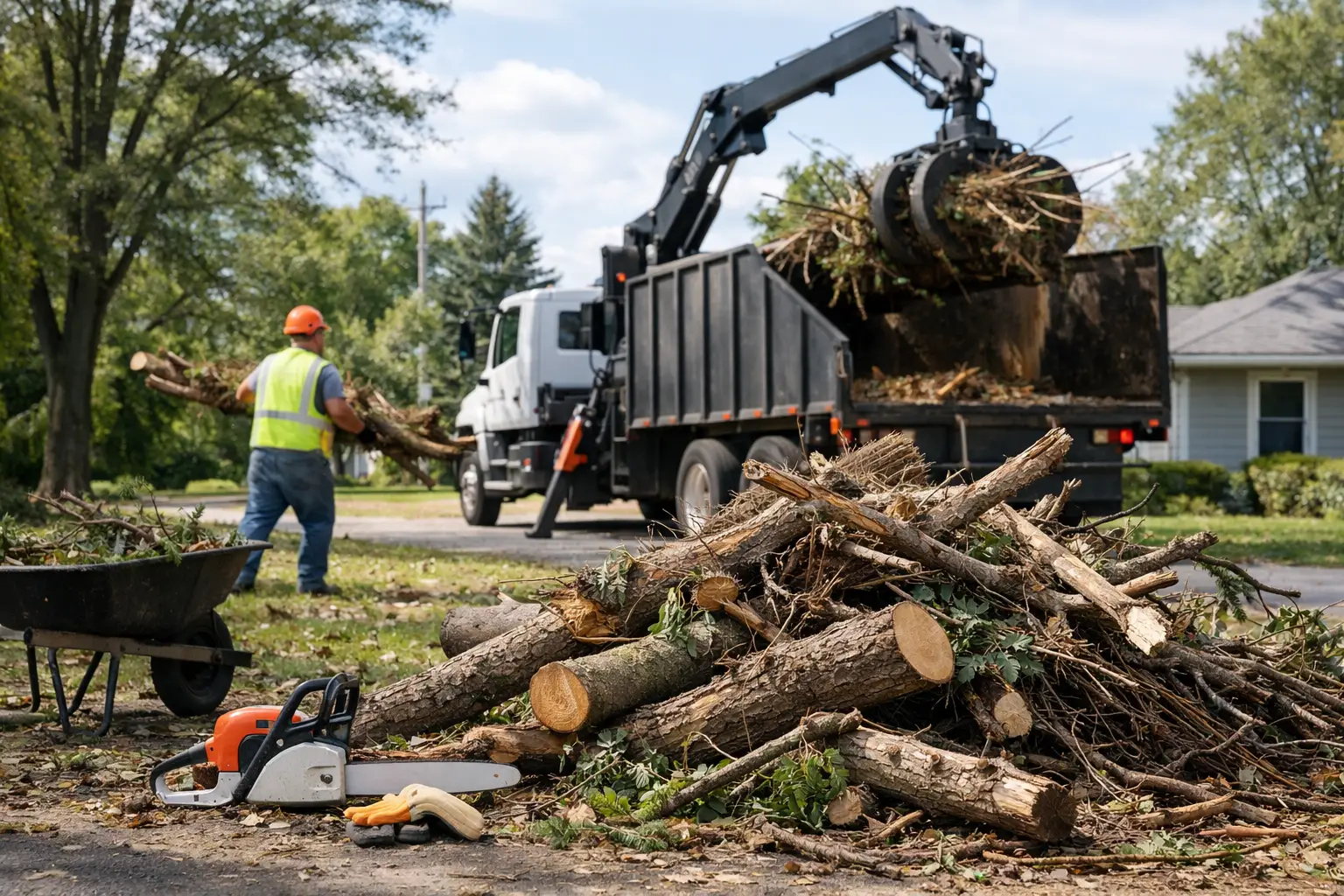
When a storm moves through, the mess it leaves behind usually shows up all at once – downed limbs in the yard, fencing blown over, soaked furniture, busted patio pieces, and piles of scattered debris that are too heavy or too awkward for regular curbside trash. That is when storm debris pickup stops being a convenience and starts being the fastest way to make your property safe, usable, and less stressful again.
For many homeowners and property managers, the hardest part is not figuring out that cleanup is needed. It is figuring out what to do first. After heavy wind or driving rain, debris can block driveways, create trip hazards, damage landscaping, and make it harder to spot bigger problems around the home or building. A fast cleanup gives you room to inspect the property clearly and get back to normal sooner.
Storm cleanup can look different from one property to the next. Sometimes it is mostly natural debris like branches, leaves, and yard waste. Other times it includes damaged outdoor furniture, broken play equipment, loose construction materials, fence panels, old sheds, roofing scraps, or water-damaged items that need to go.
That is where full-service storm debris pickup helps. Instead of asking you to drag everything to the curb, sort it into perfect piles, or make multiple trips on your own, a hauling crew can do the lifting, loading, and removal for you. For people dealing with a stressful cleanup, that saves time and cuts down on the physical strain.
There is also a difference between a small yard cleanup and a large post-storm property cleanout. A few limbs near the sidewalk may be manageable. A yard covered in heavy branches, damaged household items, and scattered bulk trash usually is not. The bigger the mess, the more helpful it is to have a team with the right equipment and labor to clear it efficiently.
Leaving storm debris in place for too long tends to create more problems. Wet materials can start to smell. Sharp or unstable pieces can become a safety issue for kids, pets, tenants, or customers. Piles of debris can also slow down repairs because contractors, roofers, or insurance adjusters need access to the property.
For rental properties and commercial spaces, speed matters even more. A property manager may need a unit exterior cleared before a showing. A landlord may need fallen debris removed before a new tenant moves in. A business owner may need parking areas, entry points, or dumpster enclosures cleaned up quickly so operations can continue.
There is also the question of curb appeal. After a storm, a property can look worse than it really is simply because debris is still sitting out in the open. Once the mess is removed, it becomes much easier to assess the true condition of the property and decide what repairs are actually needed.
Safety comes first. If there are downed power lines, leaning trees, structural damage, or anything that looks unstable, keep your distance and call the proper utility or emergency service before any hauling begins. Junk removal crews can remove debris, but electrical hazards and major tree risks need the right specialists first.
After that, it helps to do a quick walkaround and separate what is clearly debris from anything you may need to keep for insurance documentation. If an item was damaged by the storm and may be part of a claim, take photos before it gets moved. That simple step can save headaches later.
You do not need to organize everything perfectly. In fact, many people call for help because they do not have the time, equipment, or ability to sort through a storm mess on their own. A good pickup service should be able to look at the situation, give you a clear estimate, and explain how the removal will work.
City or county storm collection can be useful, but it often comes with limits. Some services only take certain yard debris. Some require materials to be bundled or separated. Some have delayed pickup times after major weather events, when everyone is trying to clear debris at once.
That can be frustrating if you need the mess gone now, not next week. It can also be a problem if the debris includes bulky items that public pickup will not take, like broken furniture, fencing, or renovation materials damaged by the storm.
A full-service junk removal company is often the better fit when the debris is mixed, heavy, widespread, or time-sensitive. That is especially true for landlords, realtors, contractors, and commercial property owners who cannot afford to let cleanup drag on.
For homeowners, the biggest benefit is usually convenience. You do not have to spend your weekend dragging tree limbs, lifting ruined outdoor items, or figuring out how to load everything into a truck. A crew handles the labor, and you get your yard or driveway back.
For renters, storm cleanup can be trickier because responsibility may be shared between the tenant and property owner depending on the lease and the type of damage. Even then, fast debris removal can help protect the space and keep common areas accessible.
For landlords and property managers, cleanup is often about speed, appearance, and liability. A branch across a walkway or broken debris near a parking area is not something you want sitting around. Quick removal helps reduce risk and keeps the property more presentable.
For contractors and commercial operators, storm debris can interrupt work and create access issues. Whether the storm hit a jobsite, office property, retail location, or rental turnover, having a dependable hauling crew helps keep the project moving.
Most storm debris pickup jobs are priced based on volume, labor, and how difficult the material is to remove. A small pile of brush by the curb will usually cost less than a backyard cleanup with soaked debris, broken structures, and limited access.
Weight can matter too, especially with saturated materials or dense construction debris mixed into the pile. Location on the property also affects labor. If everything is already staged in one easy spot, the job is simpler than hauling debris from behind a fence, down a slope, or across a large lot.
The best approach is a free estimate with clear expectations upfront. That way, you know what is being removed, how much labor is involved, and what the cost will be before the work begins.
After a storm, people want help from someone who answers the phone, shows up when promised, and gets the job done without making the situation harder. That is why local experience matters. A crew that regularly serves LaGrange, Hogansville, Newnan, and nearby communities understands how fast weather can turn and how urgent cleanup can become.
Look for a company that is licensed and insured, offers straightforward pricing, and handles the labor from start to finish. Friendly service matters too, especially when you are already dealing with storm stress. You want a team that treats your property with respect and works efficiently without a lot of runaround.
JBC Junk Removal fits that role for many local customers because the service is hands-on, flexible, and built around real cleanup needs – not a one-size-fits-all approach. Some jobs are simple pickups. Others are full property cleanouts after a rough weather event. Either way, the goal is the same: clear the mess and make things easier on the customer.
Storm cleanup is rarely just about appearances. It is about safety, access, and getting control of the situation again. Once the debris is gone, it becomes much easier to inspect damage, schedule repairs, and move forward without a yard or lot full of obstacles.
If your property took a hit from high winds or heavy rain, you do not have to tackle the cleanup alone. Getting the debris out of the way is often the quickest step you can take to make the whole situation feel more manageable.