
LaGrange, GA and The Surrounding Area

Have Questions? Email Us

7 AM – 6 PM
LaGrange, GA and The Surrounding Area
Have Questions? Email Us
7 AM – 6 PM
Call For A Free Estimate

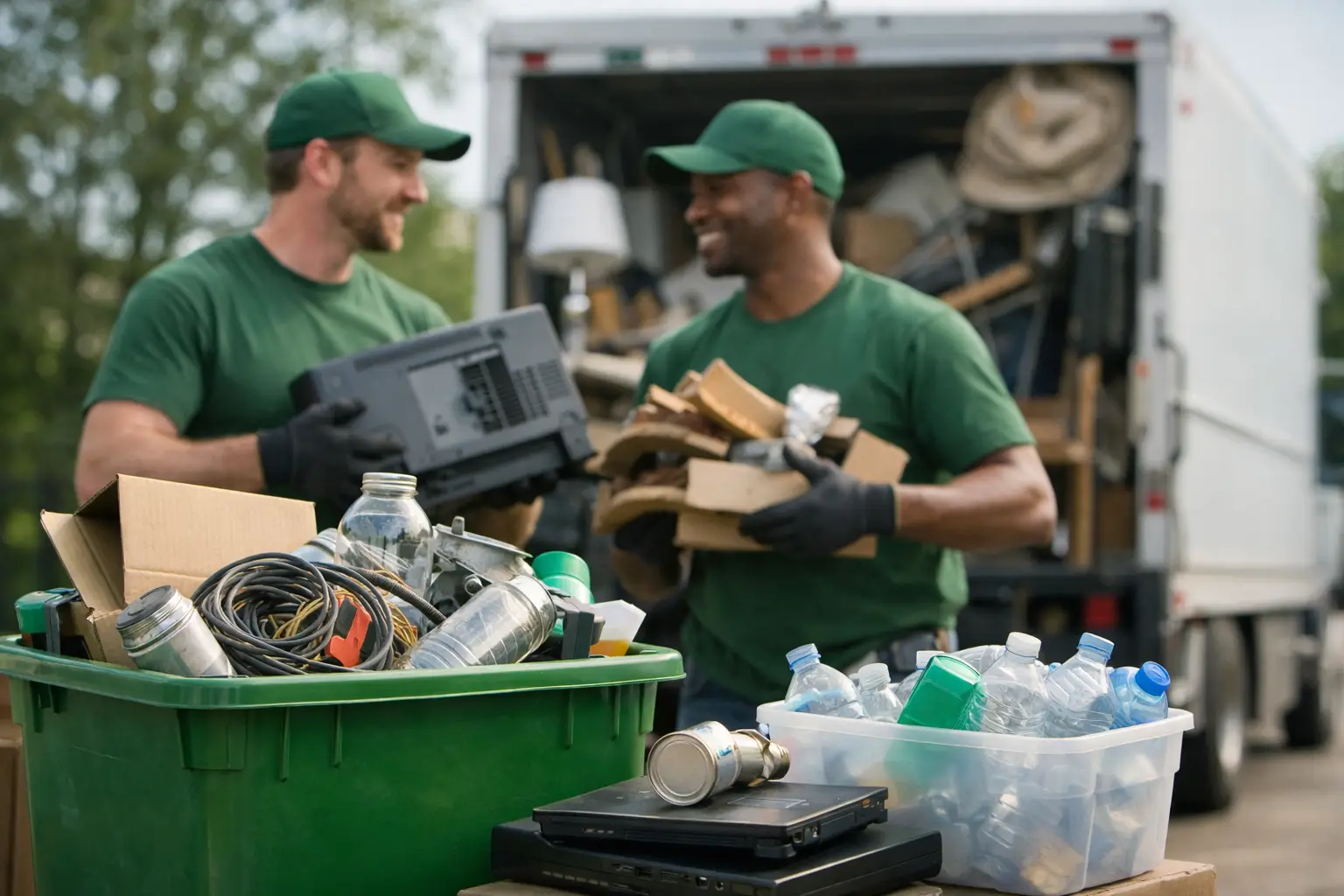
If you’re staring at an old couch, busted appliance, yard debris, and a garage full of stuff you no longer want, it’s fair to ask: do junk haulers recycle items, or does everything end up in the landfill? The honest answer is that some items can be recycled or donated, some cannot, and a good junk removal company sorts through those differences instead of treating every load the same.
That matters more than most people think. Whether you’re cleaning out a home in LaGrange, turning over a rental in Newnan, or clearing construction debris from a jobsite, the way a company handles your junk affects cost, convenience, and where those materials go next.
Not all the time, and not every item. Junk haulers work with a mix of materials, and each one has different rules. Metal, cardboard, some electronics, and certain appliances often have recycling value or need special handling. Usable furniture, clothing, and household goods may be donated if they’re still in decent shape. But stained mattresses, contaminated debris, broken particle-board furniture, and mixed trash usually have fewer options.
So the short answer is yes, junk haulers often recycle items when they can. The better answer is that responsible haulers sort, separate, and route items based on condition, local facility rules, and what is practical for the load.
This is one reason local service helps. A crew that works the area every day usually knows which transfer stations accept specific materials, what donation centers will take, and what has to be disposed of another way.
Some junk is much easier to keep out of the landfill than others. Metal is one of the most common examples. Old grills, bed frames, shelving, filing cabinets, tools, and scrap metal often go to recycling because the material can be processed and reused.
Appliances can also be recyclable, but there is a catch. Washers, dryers, stoves, and water heaters may be accepted for scrap or recycling, while refrigerators, freezers, and air conditioning units may require extra steps because of refrigerants. That means a hauler may need to handle them differently and charge accordingly.
Electronics are another category where recycling matters. TVs, monitors, computers, printers, and other e-waste should not just be tossed in with general trash. Many areas have specific rules for how those items are collected and processed.
Then there are donation candidates. If a couch is clean, a dresser is sturdy, or a table still has life left in it, a junk removal company may be able to route those items toward donation instead of disposal. The same goes for some toys, household goods, and lightly used office furniture. The keyword there is usable. If an item is broken, moldy, infested, or heavily damaged, donation is usually off the table.
A lot of customers assume recycling is simple. In real jobs, it usually isn’t. Items have to be separated, clean enough to process, and accepted by the facilities available in the area. A wet cardboard pile from a shed cleanout may not be recyclable anymore. A couch with pet damage or stains is rarely something a donation center wants. Construction debris can be recyclable in some cases, but mixed loads of wood, insulation, drywall, and trash are harder to sort.
There is also the issue of time and labor. Full-service junk removal is built around convenience. The crew does the lifting, loading, sorting, and hauling. But more sorting takes more labor, and specialty disposal can cost more than standard dump fees. That does not mean recycling is a bad idea. It just means there is a real-world balance between doing the job efficiently and handling materials responsibly.
A dependable junk removal company usually looks at a job in layers. First, they identify anything reusable or donatable. Next, they separate materials that have a clear recycling path, such as metal, appliances, or certain electronics. After that, they deal with what remains as disposal.
That process is especially useful during bigger cleanouts. Estate cleanouts, foreclosure cleanouts, eviction cleanouts, and garage cleanouts often contain a mix of valuable materials, reusable furniture, plain household junk, and true trash. Treating everything as landfill waste is faster in the moment, but not always the best approach.
A local company with hands-on experience is more likely to make those judgment calls carefully. They have seen the difference between a quick pickup of one broken recliner and a full property cleanout where some items can still be saved.
If recycling matters to you, ask direct questions before scheduling a pickup. Ask whether the company separates recyclable materials. Ask if usable items are ever donated. Ask whether they handle appliances and electronics differently from general household junk. And if you have specialty items like paint, chemicals, tires, or refrigerant-based appliances, ask about those upfront.
These questions help set expectations. They also tell you a lot about how the company operates. If the answer is vague, that may mean recycling is not a real part of their process. If the answer is clear and practical, you’re probably dealing with a crew that has done this many times.
For example, a straightforward company will tell you that they try to recycle metal when possible, donate usable items when accepted, and dispose of the rest according to local requirements. That kind of answer is usually more trustworthy than a blanket promise that everything gets recycled.
They can, but it depends on the material mix and the condition of the contents. Large cleanouts often create the biggest opportunity for recycling because there is more volume to sort. A property cleanout may include old appliances, metal shelving, bicycles, yard tools, and stacks of cardboard that can be pulled out separately.
At the same time, large cleanouts also produce plenty of waste that is not recyclable. Food-contaminated trash, damaged furniture, soaked carpet, broken pressboard cabinets, and mixed debris from neglect or move-outs often have limited options.
This is where experience matters. During an estate, apartment, or foreclosure cleanout, the crew has to work fast while still recognizing what can be salvaged, recycled, or donated. That is one reason many property managers, landlords, and realtors prefer working with a local junk removal partner instead of trying to coordinate multiple vendors.
People sometimes assume that if items are recyclable, the job should be cheaper. Sometimes that is true, especially when scrap metal offsets part of the haul. But often the opposite can happen. Sorting materials, handling specialty items, and taking separate loads to different facilities can add labor and disposal time.
That does not mean you should avoid asking about recycling. It just means price and recycling are not always directly connected. The real benefit is knowing your load is being handled with some care instead of being dumped without thought.
For many customers, that peace of mind is worth a lot, especially after a family cleanout, office closure, or renovation project where there is already enough stress to deal with.
Look for a company that is clear, local, and realistic. Clear means they can explain how they handle common categories like furniture, appliances, yard waste, and e-waste. Local means they know the disposal and recycling options in your area and can respond quickly when you need service. Realistic means they do not make promises that ignore the condition of the items or the limits of local facilities.
You also want a crew that is licensed and insured, shows up on time, and gives fair estimates without a lot of runaround. Responsible handling starts with basic professionalism. If a company is careless about scheduling and communication, it is hard to trust them to be careful with anything else.
For homeowners and businesses in West Georgia and East Alabama, that practical approach matters. You want the junk gone, but you also want to know the job is being done the right way. That’s part of what dependable service should look like.
JBC Junk Removal takes that kind of straightforward approach – hauling away what you need gone, sorting out what can be responsibly handled elsewhere, and keeping the process fast, friendly, and affordable.
If you’re planning a pickup, the best move is simple: tell the hauler what you have, mention any items you hope can be recycled or donated, and ask what the realistic options are. A good crew will give you a straight answer, do the heavy lifting, and help you clear the space without adding more stress to your day.