
LaGrange, GA and The Surrounding Area

Have Questions? Email Us

7 AM – 6 PM
LaGrange, GA and The Surrounding Area
Have Questions? Email Us
7 AM – 6 PM
Call For A Free Estimate

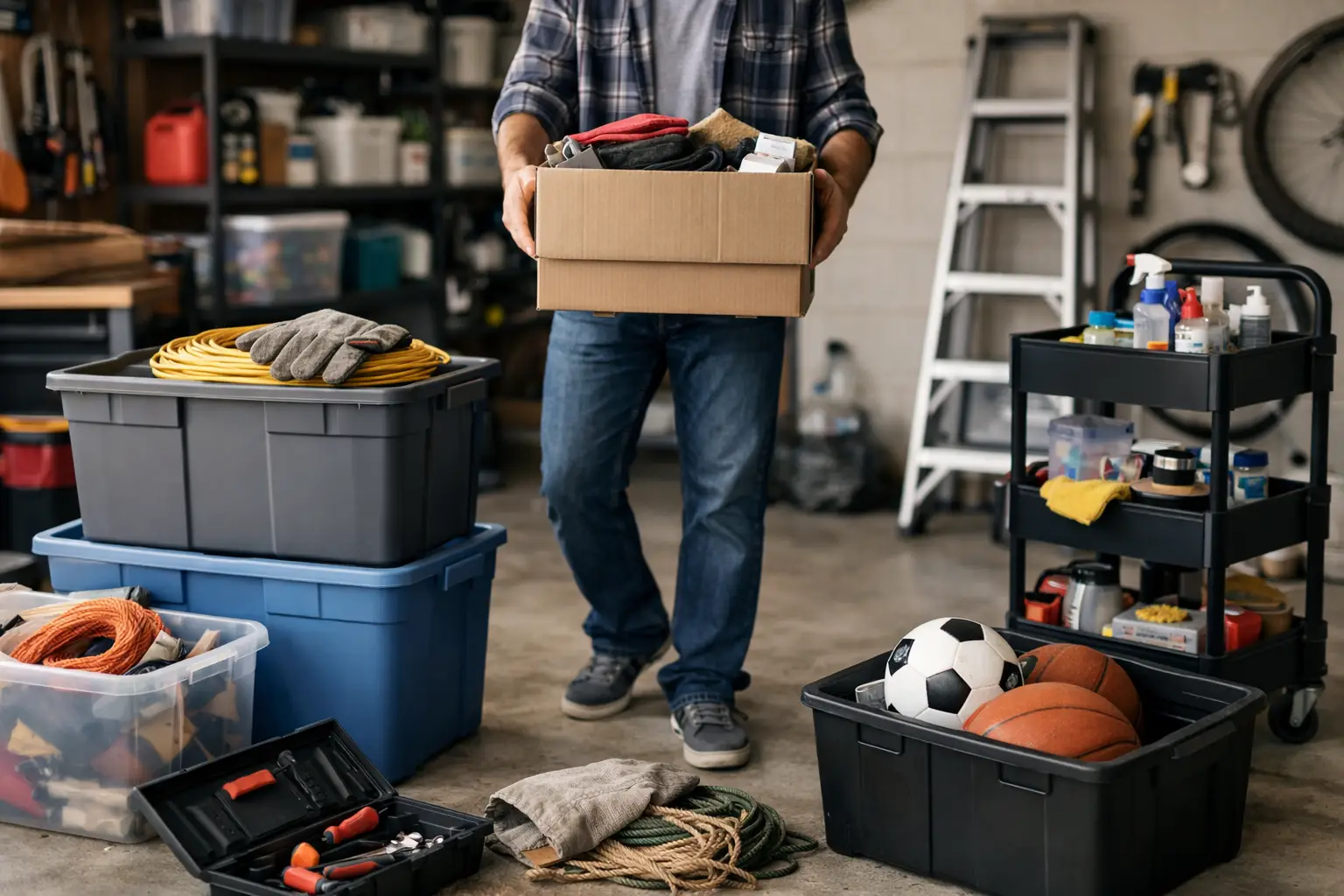
That garage looked manageable when the first few boxes went in. Then came the broken chair, leftover paint, old holiday bins, yard tools, and the treadmill nobody has touched in years. If you are looking for the best ways to declutter garage space without wasting a whole weekend, the key is to make quick decisions, clear the biggest obstacles first, and avoid overthinking every item.
For most homeowners, renters, and property managers, garage clutter is not really about storage. It is about delayed decisions. The garage becomes the place where things go when nobody knows whether to keep them, toss them, donate them, or deal with them later. Later usually turns into a packed space you can barely walk through.
Before you move a single box, decide what the garage needs to do for you. Some people want to park vehicles inside again. Others need room for tools, seasonal storage, lawn equipment, or a small workbench. A landlord may just need the space emptied before a new tenant moves in. A realtor may need it clean enough for listing photos.
That goal matters because it changes how aggressive you need to be. If your only goal is to create a walkway, you can keep more. If you want full use of the garage again, you will need to let go of a lot more than you think.
A good rule is simple. If an item does not support the way you actually use your home now, it is taking up valuable square footage for no good reason.
The fastest way to build momentum is to remove the obvious stuff. Trash bags, broken furniture, empty boxes, damaged toys, worn-out yard tools, and random scraps should go first. This is not the time to sort tiny hardware pieces or debate old extension cords. Clear out what is clearly done.
This step matters more than people realize. Once bulky junk is gone, you can see the floor, reach the walls, and figure out what is really left. It also makes the job feel possible, which is half the battle.
If the garage is packed wall to wall, start near the door and work inward. That gives you room to stage items and prevents you from moving the same pile three different times.
One of the best ways to declutter garage areas without getting stuck is to sort everything into four groups: keep, donate, toss, and haul away. Those categories are broad enough to move fast but clear enough to prevent decision fatigue.
The mistake many people make is creating too many piles. Once you add maybe, sell later, ask my spouse, or deal with this next month, the cleanup slows down fast. If you have not used it in years and it has no real plan attached to it, it probably does not need to stay.
Selling can make sense for a few higher-value items, but be honest. If that old tool chest, exercise bike, or extra set of tires has been sitting there for two years, it may be costing you more in space and stress than it is worth in resale value.
Not everything in a garage can go straight into the trash. Old paint cans, automotive fluids, pesticides, cleaners, propane tanks, batteries, and similar materials often need special handling. This is one area where people either delay the entire project or make a mess trying to rush it.
Set these items aside in one section as you sort. Keep lids secure and containers upright. If anything is leaking, do not mix it with general junk. Handle those materials separately so you can clear the rest of the garage without creating a safety issue.
This is especially important for rental properties, estate cleanouts, and older homes, where garages tend to collect years of half-used products nobody wanted to deal with.
Once the junk is out, the next step is deciding what deserves to stay. The best items to keep in a garage are things you use regularly, things that are hard to replace, and things that truly belong there. Lawn equipment, seasonal decor, basic tools, and home maintenance supplies usually make sense.
What does not make as much sense is storing household overflow just because there is room. If the garage has become the backup attic, backup shed, and backup storage unit all at once, clutter will return quickly.
A helpful test is frequency. If you have not touched an item in one to two years, ask yourself why it is still there. There are exceptions, of course. Emergency equipment, important records stored properly, and true seasonal gear may not get used often. But most garages are holding far more low-value items than essential ones.
Decluttering gets the attention, but layout is what keeps the space usable. Once you know what is staying, group items by purpose. Put lawn and garden tools together. Keep automotive supplies in one area. Store holiday decorations in another. Sports gear, hand tools, and paint supplies should each have their own home.
You do not need a fancy custom system to make this work. Basic shelves, wall hooks, labeled bins, and a few sturdy containers can make a big difference. What matters most is that similar items stay together and the things you use most are easy to reach.
Try not to store everything on the floor. Floor space disappears fast, and once it is gone, the garage starts feeling crowded again. Vertical storage helps, but only if it stays simple enough that your family or tenants will actually keep using it.
Not every garage cleanup looks the same. A homeowner doing spring cleaning has a different timeline than a landlord facing a turnover. A contractor finishing a job may be dealing with debris, scrap, and leftover materials. A family handling an estate may be sorting through sentimental items mixed in with plain junk.
That is why it helps to be realistic about the job in front of you. If the garage mostly contains everyday clutter, you may be able to finish it yourself in a day. If it includes heavy furniture, appliances, construction debris, or years of accumulated junk, the labor and disposal side can slow things down in a hurry.
Sometimes the smartest move is not doing every piece yourself. For larger cleanouts, many people would rather separate what they want to keep and let a removal crew handle the heavy lifting, loading, and haul-off. That can save time, reduce injury risk, and keep the project from dragging on for weeks.
The first mistake is pulling everything out and creating a bigger mess than you can finish. If you only have a few hours, work in sections. Complete one wall, one corner, or one category at a time.
The second mistake is saving too much for later. Donate later, sell later, sort later, and fix later often turn into permanent piles. If possible, move unwanted items out the same day.
The third mistake is organizing before decluttering. Storage bins and shelves are helpful, but they do not solve over-accumulation. If you buy more storage without reducing the volume of stuff, you usually end up with a tidier version of the same problem.
There is no prize for hurting your back trying to drag out an old freezer or spending three weekends dealing with a garage that needs to be cleared in one day. If the cleanup involves bulky items, large volumes of trash, estate leftovers, move-out debris, or rental property junk, outside help may be the fastest and most affordable option.
A full-service crew can remove furniture, broken equipment, bagged trash, boxes, scrap, and other unwanted items without you having to worry about loading, hauling, or figuring out how to fit everything into your own vehicle. For local property owners and residents, that kind of help is often what turns a stressful cleanup into a finished job.
Companies like JBC Junk Removal are built for exactly that kind of work, especially when the goal is to clear space fast and keep the process simple.
The best garage cleanout is not the one with the prettiest labels. It is the one that gives you back usable space, makes it easier to find what you need, and removes the stress of walking past the same growing pile every day. Start with the obvious junk, make faster decisions than you think you need to, and do not be afraid to get help when the job is bigger than your time or energy. A garage does not have to stay overcrowded just because it has been that way for years.