
LaGrange, GA and The Surrounding Area

Have Questions? Email Us

7 AM – 6 PM
LaGrange, GA and The Surrounding Area
Have Questions? Email Us
7 AM – 6 PM
Call For A Free Estimate

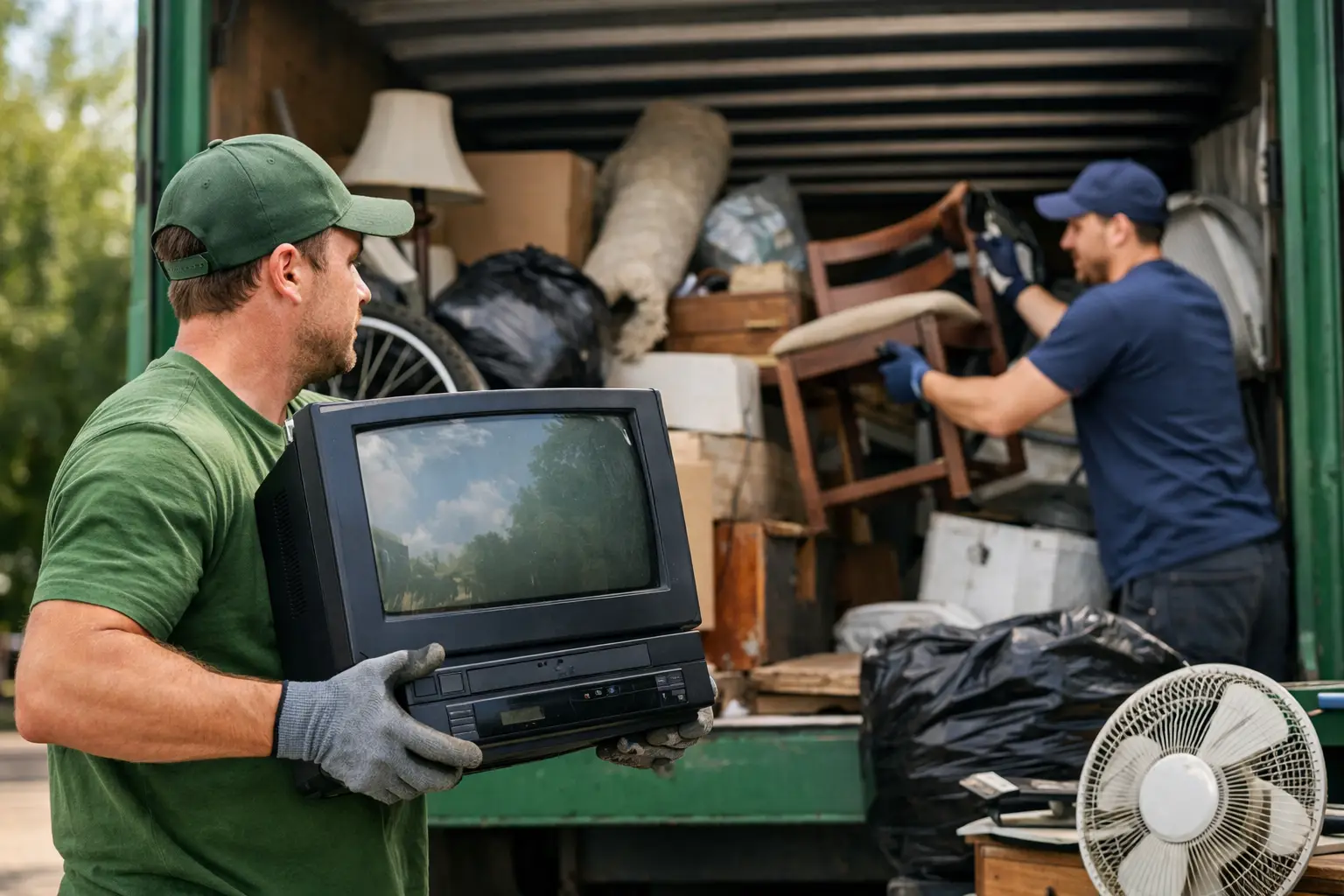
That old couch in the garage, the busted washer behind the house, the pile of boxes left after a move – most people know they want it gone, but they are not always sure what a junk removal crew will actually haul away. If you have been asking what do junk removal companies take, the short answer is this: quite a lot. But not everything.
A full-service junk removal company is built to handle the kinds of items that are too bulky, too heavy, too awkward, or too time-consuming for regular trash pickup. That includes household junk, furniture, appliances, yard debris, renovation waste, and cleanout leftovers from homes, rentals, offices, and job sites. The details depend on the company, local disposal rules, and whether the material is safe to load and transport.
For most homeowners and renters, junk removal starts with the everyday things that pile up over time. Old furniture is one of the most common categories. Sofas, recliners, mattresses, box springs, dressers, dining tables, desks, bed frames, and bookshelves are usually fair game. If it is too large to fit in your vehicle or too much trouble to drag to the curb, this is exactly the kind of item junk removal companies are used to handling.
Appliances are also commonly accepted. Refrigerators, freezers, washers, dryers, dishwashers, stoves, ovens, and microwaves can often be removed, although there may be added rules for certain units. Refrigerators and air conditioning equipment sometimes require special handling because of refrigerants. That does not always mean they cannot be taken. It usually means the company needs to follow proper disposal procedures.
General household clutter is another big category. Bagged trash, loose items from attics and basements, toys, clothing, old décor, broken exercise equipment, small household furniture, and boxes of unwanted belongings are all common pickup items. This is especially helpful during moves, downsizing, estate cleanouts, and post-renovation cleanup.
Electronics may be accepted too, but this is one area where it depends. TVs, monitors, printers, computers, and other e-waste are often subject to different recycling rules. Some companies take them routinely, while others limit certain devices or charge extra because of disposal fees.
A lot of junk problems are not inside the house at all. They are leaning against the fence, sitting in the backyard, or stacked beside a shed. Outdoor pickups often include yard waste such as brush, limbs, leaves, sticks, and storm debris. If you have cleaned up after landscaping or a bad weather event, a junk removal company can usually load and haul the pile much faster than trying to manage it with normal weekly trash service.
There is also a good chance they will take old outdoor furniture, grills, playsets, fencing sections, hot tub debris, and miscellaneous backyard junk. Some crews can even remove sheds, above-ground pool materials, and small structures once they are torn down or partially dismantled.
Construction and remodeling debris is another common request. Wood scraps, drywall, flooring, cabinets, tiles, carpet, insulation, and demolition leftovers are often accepted, especially by companies that regularly handle cleanouts and contractor support. The main question is usually volume and weight. A few bags of debris are simple. A major renovation cleanup may require a larger truck, more labor, or multiple loads.
Commercial junk removal is not all that different from residential work, but the jobs are often larger and more time-sensitive. Offices may need desks, chairs, cubicles, filing cabinets, shelving, and outdated equipment removed. Retail spaces often need display fixtures, stockroom clutter, packaging waste, and general junk hauled out during remodels or move-outs.
Property managers, landlords, and realtors often call for apartment cleanouts, eviction cleanouts, foreclosure cleanouts, and turnover cleanup. In those situations, the items left behind can be unpredictable. One property may just have a mattress and a few bags. Another may be filled with furniture, food waste, clothing, broken appliances, and garage clutter.
This is where a local full-service crew can make a real difference. Instead of leaving a dumpster on-site and expecting someone else to do the heavy lifting, junk removal teams load everything for you. That saves time and helps get a home, rental, or commercial space ready faster.
The easiest way to avoid surprises is to understand that junk removal companies do have limits. Safety, environmental rules, and landfill restrictions all matter. In general, hazardous waste is the biggest category that may be refused.
That can include paint, chemicals, solvents, oils, gasoline, propane tanks, pesticides, asbestos, medical waste, and certain batteries. Some companies can point you toward the right disposal option, but many will not load those materials because they require specialized handling.
There are also times when weight becomes the issue rather than the item itself. Dirt, concrete, brick, roofing shingles, and large amounts of gravel can often be removed, but not always in unlimited quantities. These materials are extremely heavy, so removal may need special pricing or separate scheduling.
Tires, large electronics, and certain appliances also fall into the maybe category. They are often accepted, but local disposal fees can change the cost. That is why a quick estimate matters. A good company will tell you upfront what they can take, what they cannot, and whether any item needs special handling.
If you call two different companies with the same junk pile, you might get two slightly different answers. That is normal. Not every junk removal business has the same truck size, labor setup, disposal partners, or recycling options.
For example, one company may take a piano, pool table, or hot tub because they have the crew and equipment for heavy lifting. Another may pass if the removal is too risky or access is too tight. One may handle construction debris every day, while another focuses more on household pickups. The difference is not always about willingness. Sometimes it is about safety, insurance, and the best way to complete the job without damage.
That is also why photos help. If you send a few clear pictures of the items, the company can usually give you a much more accurate answer than if you just say, “I have some junk in the garage.”
A simple rule works for most jobs. If the material is non-hazardous, bulky, and difficult to dispose of through regular trash service, there is a strong chance a junk removal company can take it. Furniture, appliances, cleanout debris, mattresses, yard waste, office junk, renovation leftovers, and bulk trash are all squarely in that lane.
If the item is dangerous, heavily contaminated, or subject to special environmental rules, ask first. The same goes for anything unusually heavy or anything that needs to be removed from a tight attic, crawl space, or upper floor. Most professional crews can handle difficult access, but it helps to know the details before the truck arrives.
This is especially true for larger cleanouts. Estate cleanouts, foreclosure cleanouts, and hoarding situations often include a mix of accepted and restricted materials. A crew with experience can sort through what can be loaded, what needs separate disposal, and how to clear the property as efficiently as possible.
The best answer is usually not from a generic list. It is from a real estimate based on your actual job. A quick call, text, or photo can save you time and keep the pickup smooth. If you are in West Georgia or East Alabama, a local company like JBC Junk Removal can usually tell you quickly whether your items are accepted, how pricing works, and how soon the job can be scheduled.
That matters because junk removal is not just about what can be hauled away. It is also about getting the job done without extra hassle. You want a crew that shows up on time, handles the lifting, respects your property, and gives you a clear answer before the work starts.
If you are staring at a garage full of old furniture, a rental packed with leftover junk, or a pile of debris after a project, do not spend another weekend guessing. Most of the time, the stuff that is in your way can be removed faster and easier than you think.