
LaGrange, GA and The Surrounding Area

Have Questions? Email Us

7 AM – 6 PM
LaGrange, GA and The Surrounding Area
Have Questions? Email Us
7 AM – 6 PM
Call For A Free Estimate

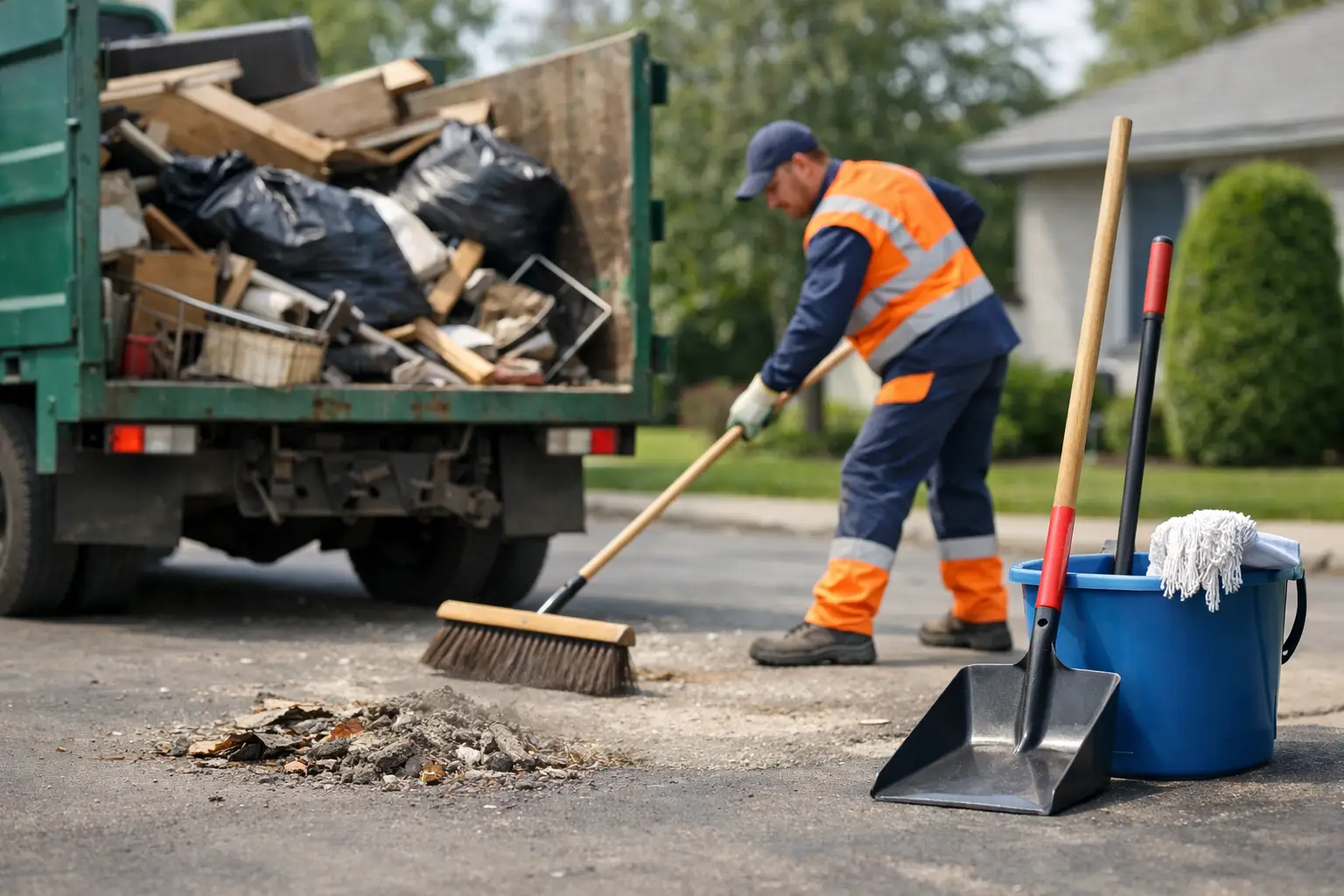
If you have an old couch, busted appliances, bags of trash, and a floor full of dust left behind, one question matters fast: does junk removal include cleanup? Usually, yes – but not always in the same way. Some companies simply load and haul items away. Others do the extra work of gathering loose debris, sweeping up, and leaving the area in better shape than they found it.
That difference matters more than most people expect. If you are clearing out a garage in LaGrange, turning over a rental in Newnan, or dealing with an estate cleanout in Hogansville, the job is not really done when the big items are gone. What gets left behind can be the part that slows you down.
The short answer is that junk removal often includes basic cleanup, but the exact scope depends on the company and the type of job. In many cases, a full-service junk removal crew will do more than lift heavy items. They will also collect loose junk around those items, bag smaller debris, and sweep the area once everything is loaded.
Basic cleanup usually means leaving the space broom-clean. That can include picking up scattered trash, removing small leftover pieces related to the hauled items, and sweeping floors in garages, storage units, curbside loading areas, and vacant rooms. For customers, that is often the difference between calling one company and needing to hire someone else afterward.
Still, cleanup is not unlimited. Deep cleaning, stain removal, mopping, disinfecting, pressure washing, and hazardous waste handling are usually outside standard junk removal service unless clearly offered ahead of time.
Most full-service jobs include a practical level of cleanup tied directly to the junk being removed. If a crew hauls off furniture, boxes, broken shelving, or piles of household clutter, they will often gather the loose pieces and sweep the open floor when they are done.
For a garage cleanout, that may mean removing scattered tools, empty bins, old toys, and general clutter, then sweeping up dust and dirt that was trapped underneath. For an apartment turnover, it may mean hauling off abandoned furniture and bagged trash, then collecting the leftover odds and ends so the unit is ready for the next step.
Construction debris jobs can also include a light cleanup, but the wording matters. If the crew is removing drywall scraps, lumber, flooring, or renovation debris, they may rake together and load the visible debris in the work area. That does not always mean a fine-detail cleaning. Nails, sawdust, or small fragments may require more than a standard haul-away visit depending on the condition of the site.
There are plenty of situations where cleanup goes beyond normal service and adds labor time. That is where pricing can change.
A property that has been sitting vacant for months often has more than junk. It may have rotten food, soaked carpet, pest contamination, or layers of loose trash spread across multiple rooms. An eviction cleanout or foreclosure cleanout may also involve sorting, bagging, and clearing heavy debris before hauling can even begin. In those cases, the cleanup is part of a larger labor job, not just a quick pickup.
Outdoor jobs can be similar. Yard waste removal is straightforward when debris is stacked and ready to go. It becomes a different kind of project when brush, storm debris, fencing, and scattered trash are spread across a large lot. The more hands-on gathering required, the more likely that cleanup affects the estimate.
The same goes for commercial spaces. If a business cleanout includes shelves of old inventory, broken fixtures, loose packaging, and back-room debris, a crew may need to spend significant time organizing material just to remove it safely and efficiently.
One reason customers get confused is that cleanup can mean different things to different people. A junk removal company may say it cleans up after the job, and that is often true. But usually that means broom-clean, not move-in ready.
Broom-clean generally means the obvious junk is gone, the loose debris tied to the removal has been picked up, and the floors have been swept. It does not usually mean the walls are wiped down, cabinets are cleaned inside, carpet is shampooed, or odors are treated.
That is not a bad thing. It is simply a matter of matching the service to the need. If you are a homeowner who just wants the clutter gone, broom-clean may be perfect. If you are a realtor prepping a listing or a property manager turning over a unit, you may need junk removal first and detailed cleaning after.
Some services almost always call for a conversation about cleanup before booking.
Estate cleanouts are a good example. These projects often involve furniture, clothing, boxes, household items, and years of accumulated belongings. Once the rooms are emptied, there is often dust, loose trash, and forgotten items in closets, attics, or corners. A crew that handles both removal and basic cleanup saves families time during an already stressful situation.
Eviction and foreclosure cleanouts also need clarity upfront. Property owners and managers are often working on a deadline. They need to know whether the crew will only remove large items or also clear bagged trash, gather small debris, and sweep the unit so repairs can begin.
Garage, shed, and storage unit cleanouts are another common gray area. These spaces tend to have both bulky junk and lots of loose material. If you want the space truly usable again, not just emptied out, it helps to ask exactly how far the cleanup goes.
If you want to avoid surprises, ask a few plain questions when getting an estimate. Ask whether cleanup is included in the quoted price, whether the crew will sweep up afterward, and whether bagging loose debris is part of the job. If the site is especially dirty, ask if there are any labor charges beyond standard hauling.
Photos help a lot. A quick set of pictures gives a company a much better idea of whether the job is a simple pickup, a full cleanout, or something in between. That leads to more accurate pricing and fewer misunderstandings on job day.
It also helps to describe access. Stairs, long carry distances, wet debris, scattered trash, and tight spaces all affect how much cleanup a crew can reasonably include. A good local company will tell you clearly what is covered and what is not.
This is one area where working with a local, full-service crew can really help. A company that handles cleanouts every week for homeowners, landlords, contractors, and businesses understands that customers are usually not asking for hauling alone. They are asking for relief. They want the junk gone and the mess handled without having to chase down a second vendor.
That practical approach is one reason many customers prefer a local company like JBC Junk Removal. The job gets looked at based on real conditions, not a one-size-fits-all script. If basic cleanup is part of getting the space back in shape, it can be built into the service from the start.
Most of the time, yes – at least basic cleanup does. But there is a big difference between sweeping up after hauling and performing a full deep clean. The smartest move is to ask exactly what the crew includes, especially for estate cleanouts, rental turnovers, construction debris, and heavily cluttered properties.
A good junk removal company should make that easy. You should know what is being removed, how the area will look when the crew leaves, and whether any extra labor is part of the estimate. When everyone is clear upfront, the job goes faster, the price makes sense, and the space is that much closer to being usable again.
If you are standing in front of a mess and wondering where the hauling ends and the cleanup begins, that is the right time to ask questions. The right crew will give you a straight answer and a clear plan.