
LaGrange, GA and The Surrounding Area

Have Questions? Email Us

7 AM – 6 PM
LaGrange, GA and The Surrounding Area
Have Questions? Email Us
7 AM – 6 PM
Call For A Free Estimate

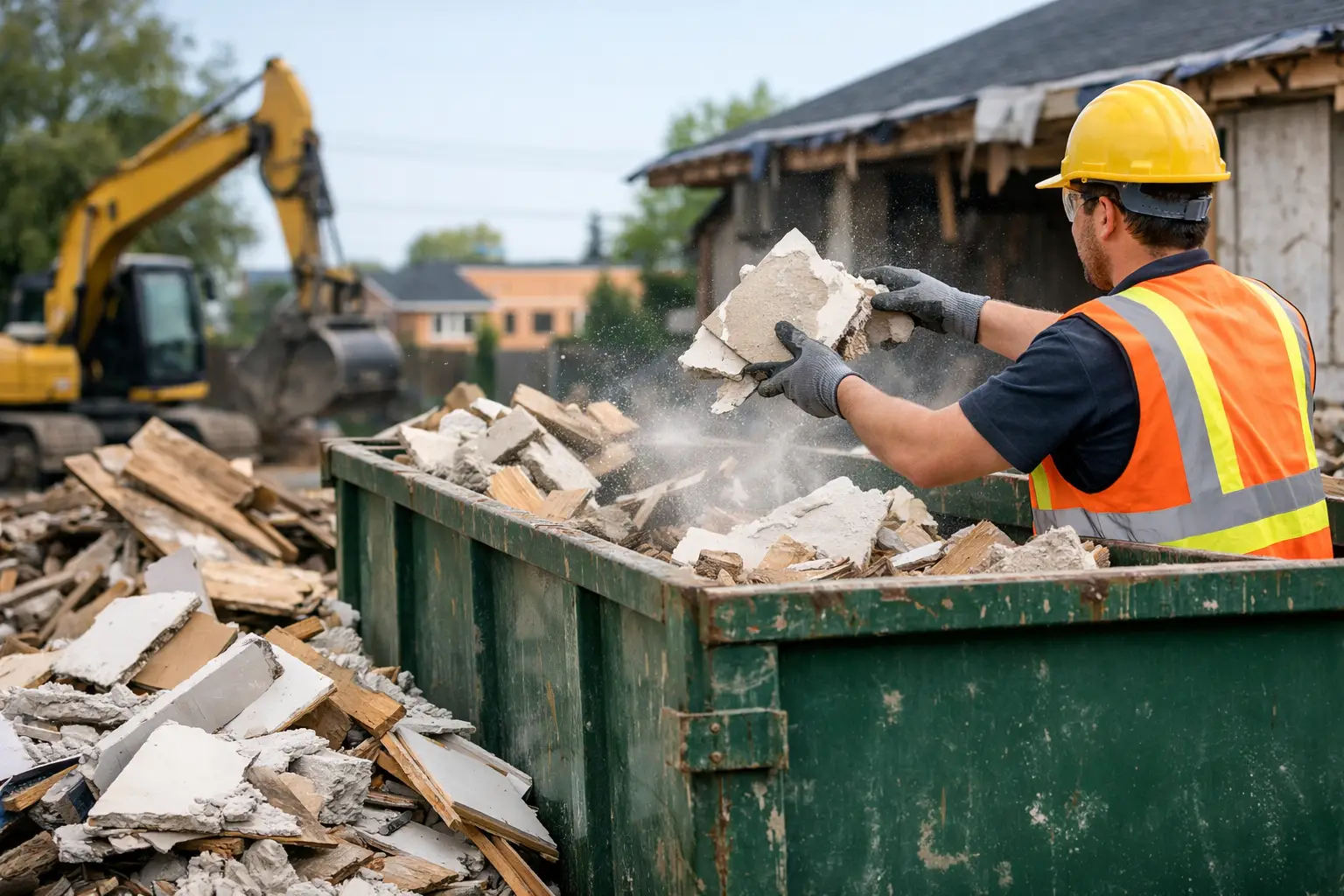
A remodel can move fast until the cleanup starts. One day you are replacing cabinets, tearing out drywall, or pulling up old flooring, and the next you are staring at a pile of broken materials that cannot just go out with the regular trash. If you are wondering how dispose construction debris the right way, the short answer is this: sort it first, know what your local rules allow, and choose a removal method that matches the size and type of the job.
Construction debris is not all the same, and that is where many people run into trouble. A few contractor bags of trim and cardboard are very different from a full driveway of concrete, shingles, lumber, and demolition waste. The safest and most affordable approach depends on what you are getting rid of, how much you have, and how quickly the site needs to be cleared.
Construction debris includes the leftover materials from renovation, repair, demolition, and building projects. That can mean drywall, wood scraps, broken tile, insulation, carpet, old cabinets, doors, windows, siding, roofing shingles, bricks, and concrete. It can also include packaging from new materials, such as cardboard, plastic wrap, and pallets.
Some items fall into a gray area. Paint cans, solvents, adhesives, treated wood, asbestos-containing materials, and certain fixtures may require special handling. That is why cleanup is not just about hauling things away. It is about making sure the debris goes to the right place and does not create a safety or disposal problem later.
The best time to think about debris removal is before the project gets out of hand. When materials pile up in walkways, driveways, or work areas, the risk of nails, broken glass, dust, and trip hazards goes up fast. A little planning saves time on the back end.
Start by separating debris into categories. Clean wood, metal, cardboard, and concrete may be recyclable in some areas. Mixed demolition debris usually goes to a construction and demolition landfill or transfer station. Keeping materials separated can lower disposal costs, but only if the volume is worth the extra effort. For a small cleanup, convenience may matter more than squeezing out every possible savings.
You also want to keep hazardous or restricted items out of the pile. Wet paint, chemicals, batteries, fluorescent bulbs, and anything that could leak or create contamination should be handled according to local disposal rules. If you are not sure about a material, it is better to ask first than load it and get turned away.
There is no single best answer for every project. It depends on scale, weight, access, and how much labor you want to do yourself.
If you are dealing with a minor bathroom update or a few small repair jobs, heavy-duty contractor bags may be enough. This works best for lighter debris like trim, drywall pieces, insulation, and small tile fragments. Be careful not to overload bags. Construction debris gets heavy quickly, and torn bags slow everything down.
This option makes sense when you only have a few bags and your local waste service allows limited construction material pickup. Many do not, or they require advance notice and separate fees, so check before you drag everything to the curb.
For medium-sized projects, self-hauling can work if you have the right vehicle, enough manpower, and time to make dump runs. This is common for homeowners doing their own renovations and for contractors handling small jobs.
The trade-off is that self-hauling takes more effort than most people expect. You have to load, secure, transport, unload, and often clean the area afterward. Weight is another issue. Drywall, tile, roofing, brick, and concrete can exceed what a pickup should safely carry in one trip. Dump fees, fuel, and your time add up too.
A dumpster is often the best fit when debris is being created over several days or weeks. It gives you a central place to toss materials as the work happens. For roofing jobs, major remodels, estate property repairs, and larger demolition work, that convenience can be worth it.
Still, dumpsters are not perfect for every property. Space can be tight. Driveway protection may be needed. There are usually rules about what can go inside, and overfilling or exceeding weight limits can lead to extra charges. If the debris is already piled up and you just want it gone now, a full-service pickup may be easier.
Full-service junk removal works well when you want labor included. Instead of renting a container and doing all the loading yourself, a crew comes in, picks up the debris, loads it, and hauls it away. That is especially helpful for landlords, property managers, contractors between jobs, and homeowners who do not want heavy material sitting around.
For many people, this is the simplest answer to how to dispose construction debris after a renovation or cleanout. It is also useful when debris is scattered in a backyard, garage, rental unit, or multiple rooms rather than neatly staged in one spot. A local company like JBC Junk Removal can often handle that kind of pickup faster and with less hassle than a do-it-yourself plan.
Recycling rules vary by area, but some materials are more commonly accepted than others. Metal is often worth separating because scrap yards and recycling facilities may take it. Clean cardboard from new fixtures or flooring can usually be recycled if it is dry and flattened. Concrete, asphalt, brick, and untreated wood are sometimes accepted at specialized facilities.
Mixed debris is harder. Once materials are broken together, covered in adhesive, or contaminated with insulation, dust, or paint, recycling becomes less likely. Carpet, composite flooring, glued materials, and heavily mixed demolition waste often end up in disposal facilities rather than recycling streams.
That is why sorting at the start matters. If your goal is to recycle more, do it while the project is active, not after everything is in one heap.
People get injured during cleanup all the time, usually because they treat debris removal like the easy part. It is not. Sharp edges, nails, shattered tile, splintered wood, and heavy awkward loads can turn a simple haul-off into a trip to urgent care.
Wear gloves, eye protection, sturdy boots, and a dust mask if you are handling drywall, insulation, or old materials that create a lot of fine particles. Lift with help when moving cabinets, countertops, doors, and dense debris. Keep children and pets away from work areas until everything is cleared.
If you suspect asbestos, lead-based paint dust, mold-heavy materials, or anything chemical-related, stop and get proper guidance. Those are not regular junk removal situations, and they should not be mixed into a standard debris pile.
One mistake is mixing heavy materials with everything else. A container loaded with concrete, dirt, shingles, and tile can become far more expensive than expected because of weight. Another is assuming curbside trash service will take renovation waste. Many homeowners learn too late that construction debris is excluded.
People also underestimate labor. A pile that looks manageable can take hours to load once you factor in nails, broken pieces, stairs, narrow access, or bad weather. And then there is the dump trip itself. Waiting in line, unloading, and making a second trip can eat up most of a day.
The cheapest-looking option on paper is not always the lowest-cost option in real life. If you are losing work time, risking damage to your vehicle, or paying multiple disposal fees, hiring help can make more sense.
If the debris is heavy, bulky, scattered, or more than you can move safely in one go, it is probably time to bring in professionals. The same goes for rental turnovers, foreclosure cleanouts, post-construction cleanup, and jobs where time matters. Contractors and property managers often need a site cleared quickly so the next phase of work can start.
A reliable removal crew should be upfront about pricing, show up when scheduled, and handle the loading without making the customer do the hard part. Licensed and insured service matters here, especially when debris is being removed from occupied homes, commercial sites, or properties with tight access.
The right cleanup plan is the one that gets the debris out safely, legally, and without dragging the project on longer than it needs to. Whether you bag a few materials, haul a load yourself, rent a dumpster, or schedule a full-service pickup, the goal is the same: clear the mess so you can move forward. If the pile is already bigger than you want to deal with, that is usually your answer.