
LaGrange, GA and The Surrounding Area

Have Questions? Email Us

7 AM – 6 PM
LaGrange, GA and The Surrounding Area
Have Questions? Email Us
7 AM – 6 PM
Call For A Free Estimate

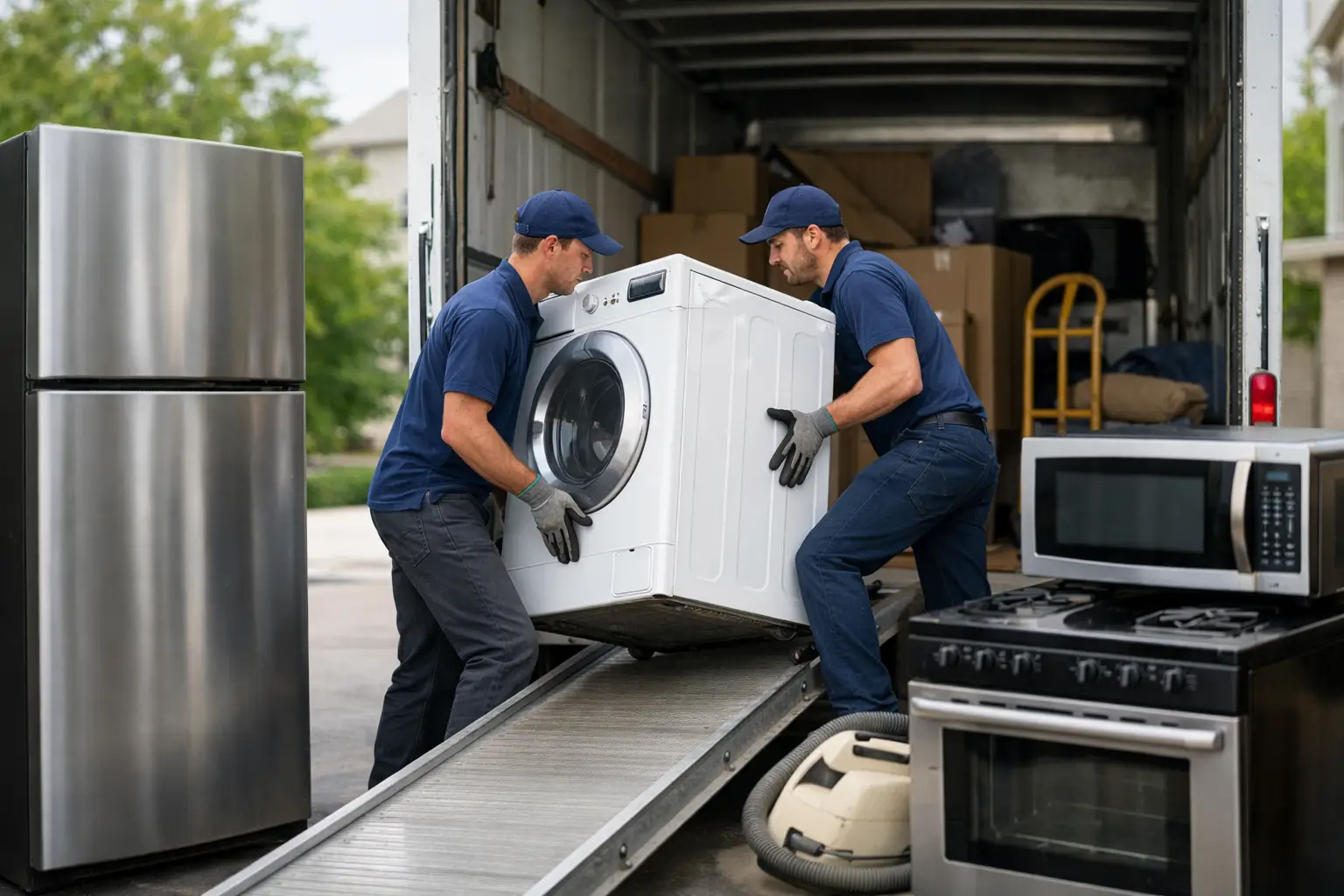
That old refrigerator in the garage is not getting lighter, and a broken washer does not become easier to move after sitting in the laundry room for six months. The best ways to remove appliances depend on what you have, whether it still works, and how quickly you need the space back. A small microwave may be manageable, but a refrigerator, stove, freezer, dryer, or commercial appliance can turn into a safety issue fast.
For homeowners, landlords, property managers, and contractors in West Georgia and East Alabama, the right choice usually comes down to convenience, disposal rules, and labor. Here is how to get unwanted appliances out without damaging your property, hurting your back, or leaving a problem for the next person.
If an appliance still works reliably, donation or resale may be worth considering. Clean it out, test the basic functions, and be honest about its age and condition. A working refrigerator, range, washer, dryer, or dishwasher may be useful to a neighbor, a local charity, a rental property owner, or someone furnishing a first home.
This route takes more coordination than most people expect. You may need to take photos, answer messages, arrange pickup times, and deal with someone deciding the unit is too large once they arrive. It can be a good option when you have time and the appliance is in solid shape. If it is leaking, missing parts, heavily rusted, or unreliable, recycling or removal is usually the more responsible choice.
Do not donate an appliance simply because you do not want to dispose of it. A unit that is unsafe or beyond repair creates work for someone else.
Buying a new appliance is one of the easiest times to get rid of the old one. Many retailers offer haul-away service when they deliver a replacement. This can be convenient for a single refrigerator, washer, dryer, stove, or dishwasher, especially when delivery is already scheduled.
Before counting on this option, confirm the details. Retailer policies can vary by appliance type, location, condition, and whether the old unit is disconnected. Some services require the appliance to be empty, unplugged, and placed somewhere accessible. Others will not handle units with water lines, gas connections, or unusual access issues.
Haul-away through a retailer makes sense when timing lines up. It may not help if the appliance has already been sitting in a garage, if you are clearing a rental, or if you need several bulky items removed at once.
Some cities and counties offer bulk trash collection or appliance recycling events. These programs can be affordable, but they often have strict schedules and preparation requirements. You may need to register in advance, place the item at the curb on a certain day, or remove doors from older appliances for safety.
Refrigerators, freezers, air conditioners, and dehumidifiers need extra attention because they may contain refrigerant. These units cannot simply be treated like regular household trash. Refrigerant must be recovered properly before the appliance can be recycled or processed. Leaving one at the curb without confirming local rules can lead to a missed pickup or a code issue.
Metal recycling is another option for appliances that are no longer usable. Scrap yards may accept certain items, but they may not take appliances with refrigerant, electronics, or non-metal components unless they have been prepared correctly. You will also need a way to load, secure, and transport the unit safely. For a heavy appliance, the small scrap value often does not cover the time, truck space, and physical effort involved.
The fastest solution is often full-service appliance removal. A professional junk removal crew handles the lifting, loading, transportation, and responsible disposal so you do not have to borrow a truck or recruit friends for a risky move.
This is especially useful for appliances in basements, upstairs laundry rooms, tight utility closets, garages, rental units, and commercial spaces. It is also a practical choice during estate cleanouts, evictions, foreclosures, renovations, and move-outs, when there are usually other unwanted items to remove at the same time.
A full-service crew can usually remove a wide range of household and business appliances, including:
The benefit is not just getting the appliance onto a truck. It is having someone assess the access route, protect walls and floors when needed, use the right moving equipment, and take the item to the appropriate disposal or recycling destination.
A little preparation helps the job go smoothly, whether you use a retailer, a municipal program, or a local removal company. First, empty the appliance completely. Food, ice, detergent, tools, and loose shelves can create spills or make a unit harder to handle.
Unplug electric appliances in advance when possible. Refrigerators and freezers should be defrosted and dried out before removal, particularly if they have been in use recently. Put towels down if there is any chance of water runoff.
For washers, disconnect water supply lines and drain any remaining water. Dishwashers and refrigerators with water dispensers may also have supply lines that need to be disconnected. If you are unsure how to do this safely, ask a plumber, installer, or qualified technician for help.
Gas stoves, gas dryers, and other gas-powered appliances require more caution. The gas line should be shut off and disconnected by someone qualified to do the work. Do not attempt a do-it-yourself disconnect if you smell gas, see damaged fittings, or have any uncertainty about the connection.
Finally, clear a path from the appliance to the exit. Move rugs, boxes, furniture, and anything that could create a trip hazard. Let the removal crew know about stairs, narrow hallways, gates, steep driveways, or unusually heavy units before the appointment. Good information upfront helps avoid delays and surprise costs.
It is tempting to slide an old dryer into a pickup bed and call it done. But appliance removal has a few common trouble spots. Refrigerators are awkward and top-heavy. Washers can hold more water than expected. Glass cooktops crack easily. Tight turns can damage door frames, drywall, flooring, and stairs.
There is also the injury risk. Improper lifting can cause back, shoulder, hand, or foot injuries, and an appliance that shifts on a dolly can hurt more than one person at once. A pickup truck is not enough by itself. You need straps, ramps, a dolly, safe loading technique, and a legal disposal plan.
For one lightweight appliance at ground level, doing it yourself may be reasonable. For larger units, multiple appliances, stairs, or a tight deadline, paying for labor is often the less expensive decision once you factor in truck rental, fuel, disposal fees, and the chance of damage.
Property managers and landlords often need appliance removal on a faster timeline. A former tenant may leave behind a broken refrigerator, an old range, or several appliances in a storage area. Realtors and estate representatives may face the same issue when preparing a house for sale.
In these situations, combining appliance removal with furniture, trash, boxes, yard waste, or renovation debris removal is usually more efficient than scheduling separate services. JBC Junk Removal provides full-service pickup for single appliances and larger property cleanouts across LaGrange, Hogansville, Newnan, and surrounding communities, with a local crew that handles the labor from start to finish.
When requesting an estimate, share the appliance type, its location, whether there are stairs, and any other items that need to go. Clear details make it easier to schedule the right crew and give you a fair, straightforward price.
The appliance has already taken up enough room. Choose the removal option that fits its condition and your schedule, then let the space serve you again instead of storing one more problem.