
LaGrange, GA and The Surrounding Area

Have Questions? Email Us

7 AM – 6 PM
LaGrange, GA and The Surrounding Area
Have Questions? Email Us
7 AM – 6 PM
Call For A Free Estimate

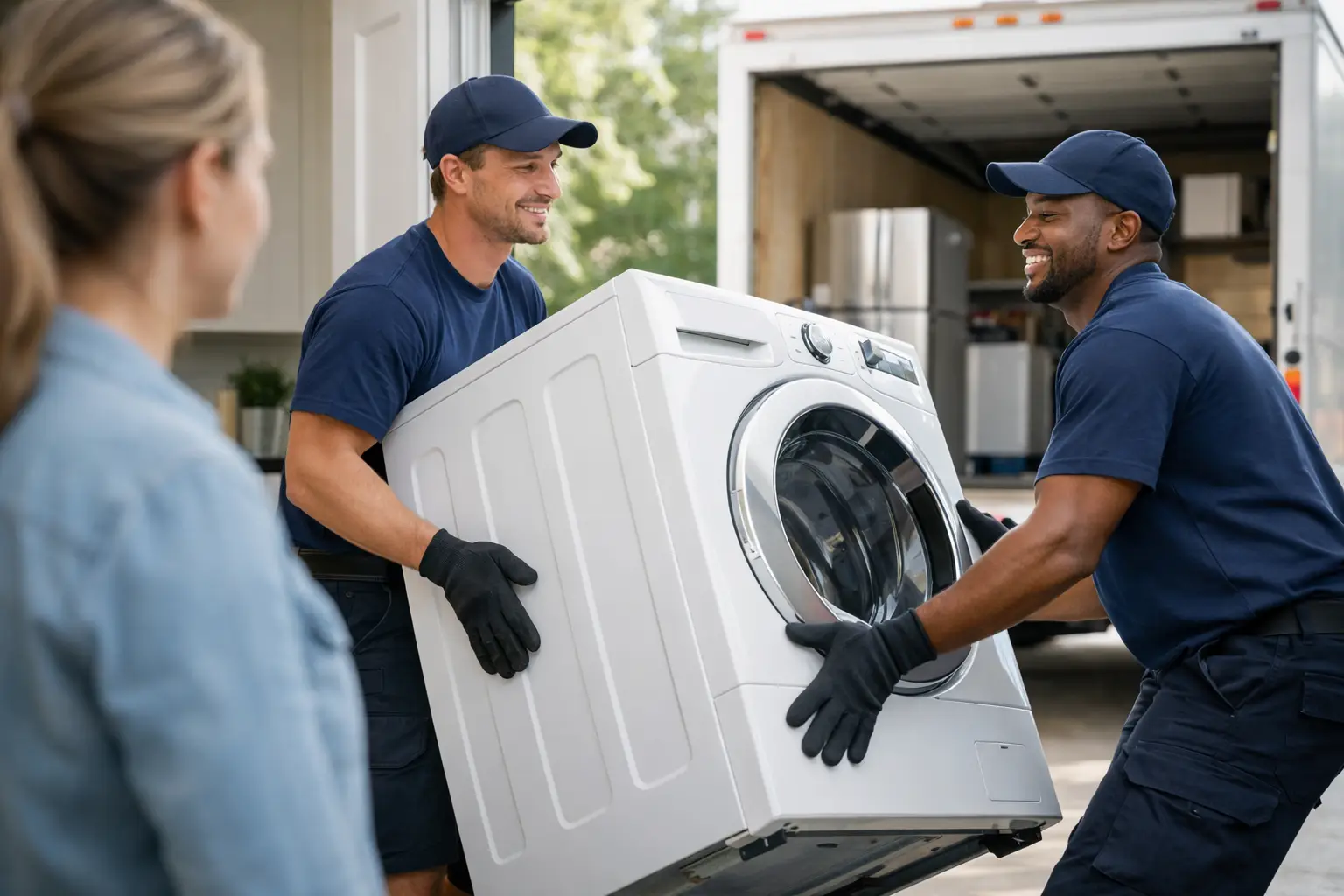
That old refrigerator may be sitting in the garage because it is too heavy to move, too awkward to fit in a truck, and too complicated to dispose of at the curb. Appliance removal services take that problem off your hands. Instead of finding help, borrowing equipment, and figuring out where the item can legally go, you can have a crew do the lifting, loading, and hauling for you.
For homeowners, landlords, property managers, contractors, and business owners around LaGrange, Hogansville, Newnan, and nearby communities, appliance pickup is often needed at the worst possible time: during a move, rental turnover, renovation, estate cleanout, or emergency replacement. A dependable local crew keeps one bulky item from slowing down the whole job.
Most household and light commercial appliances can be removed as part of a single-item pickup or a larger cleanout. Common items include refrigerators, freezers, washers, dryers, dishwashers, ovens, stoves, ranges, microwaves, water heaters, window air conditioners, dehumidifiers, trash compactors, and ice makers.
The condition of the appliance usually does not matter. A working washer that has been replaced, a broken refrigerator in a rental property, or an outdated stove removed during a kitchen renovation can all take up valuable space. What matters is whether the crew can safely access the item and whether it requires special handling because of refrigerant, fuel connections, or its size.
Commercial properties may also need help with break-room appliances, small office refrigerators, restaurant equipment, or old machines left behind after a tenant moves out. Some large or specialized equipment may require a separate plan, especially if it is built in, unusually heavy, or connected to plumbing, gas, or electrical systems.
A microwave can be awkward. A refrigerator can be a real challenge. Appliances are heavy, often difficult to grip, and can damage floors, door frames, walls, and stairways when moved without the right equipment and experience.
Refrigerators, freezers, air conditioners, and dehumidifiers deserve extra care because they may contain refrigerants. These units should be managed through proper disposal channels rather than dumped or left where they can leak or become a hazard. Large appliances may also contain recyclable metals and components, so throwing everything into a landfill is not always the best option.
Then there is the practical side. Many curbside trash programs will not take appliances at all, or they may require an appointment, a fee, or proof that refrigerant has been handled properly. If you are clearing a house on a deadline, waiting for multiple disposal rules to line up can cost time you do not have.
A full-service removal crew handles the labor from where the appliance sits. That means no dragging a dryer down the driveway, no trying to lift a freezer into a pickup bed, and no calling around after you discover the landfill will not accept it.
Appliance removal is useful whenever the item is more trouble to move than it is worth keeping. It is especially helpful during a home upgrade, when new kitchen or laundry equipment is being delivered and the old units need to go quickly.
For landlords and property managers, old appliances often appear after a move-out. A former tenant may leave behind a nonworking refrigerator, washer, or stove that needs to be removed before cleaning, repairs, and showings can begin. Fast pickup keeps turnover work moving and helps make a unit ready for the next resident sooner.
Realtors and families handling an estate cleanout can also run into appliances that are still in place long after the property has been emptied. A garage freezer, basement dehumidifier, or outdated kitchen range can make an otherwise clean property look unfinished. Removing those items is one more step toward getting the home ready to list, sell, or pass along to its next owner.
Contractors benefit when appliance removal is coordinated with renovation debris cleanup. If cabinets, flooring, drywall, packaging, and old appliances are all coming out of a property, handling the removal in one service visit can be easier than managing several separate disposal runs.
A little preparation can make pickup faster and safer, but you do not need to do the hard work. First, make sure the appliance is unplugged. If it is connected to a water line, gas line, or hardwired electrical connection, have the proper professional disconnect it before removal. Junk removal crews haul items away, but they should not be asked to perform plumbing, gas, or electrical disconnection work.
For refrigerators and freezers, remove food and give the unit time to thaw if possible. Wipe up excess water so it does not leak across your floor during removal. If the appliance is in a tight area, clear a path through hallways, porches, garages, or gates. Mention stairs, narrow doorways, gated access, or unusually heavy items when requesting an estimate so the crew can arrive prepared.
Do not worry about carrying an appliance outside unless you are specifically asked to do so. The point of full-service removal is that the crew handles the lifting. Keeping the item in place until help arrives is usually safer for you and better for your home.
Pricing depends on the item, its size, where it is located, the labor involved, and whether it is being removed by itself or with other junk. A ground-level dryer at the end of a driveway generally takes less time than a refrigerator in a basement with a narrow stairway.
The best way to avoid surprises is to give clear details when asking for a free estimate. Share the appliance type, number of items, approximate location on the property, and any access concerns. Photos can also help when available. Honest details allow a removal company to provide a more accurate estimate and schedule the right crew and equipment.
If you have several items to remove, combining them can be more cost-effective than arranging separate pickups. An old washer and dryer, a broken couch, boxes from the garage, and yard waste can often be handled together as part of a larger junk removal visit. It depends on volume and disposal requirements, but bundling work is worth asking about.
The lowest price is not the only thing to consider when someone is carrying a heavy appliance through your home or rental property. Look for a licensed and insured company that communicates clearly, gives you a straightforward estimate, and shows up when scheduled.
Local service also matters when timing is tight. A nearby crew understands the area, can respond to local property needs, and has a reputation to protect in the same communities it serves. You want people who treat your floors, walls, tenants, neighbors, and schedule with respect.
JBC Junk Removal provides fast, friendly, and affordable appliance pickup for residential and commercial customers throughout West Georgia and nearby East Alabama communities. Whether you have one old dishwasher or a full property cleanout with appliances included, the goal is simple: get the unwanted items out without adding more work to your day.
Old appliances have a way of becoming permanent fixtures in garages, sheds, utility rooms, vacant rentals, and back porches. Once they are gone, the space is useful again and the next step of your move, renovation, turnover, or cleanout can move forward. A quick estimate and a scheduled pickup can turn a heavy, frustrating problem into one less thing on your list.