
LaGrange, GA and The Surrounding Area

Have Questions? Email Us

7 AM – 6 PM
LaGrange, GA and The Surrounding Area
Have Questions? Email Us
7 AM – 6 PM
Call For A Free Estimate

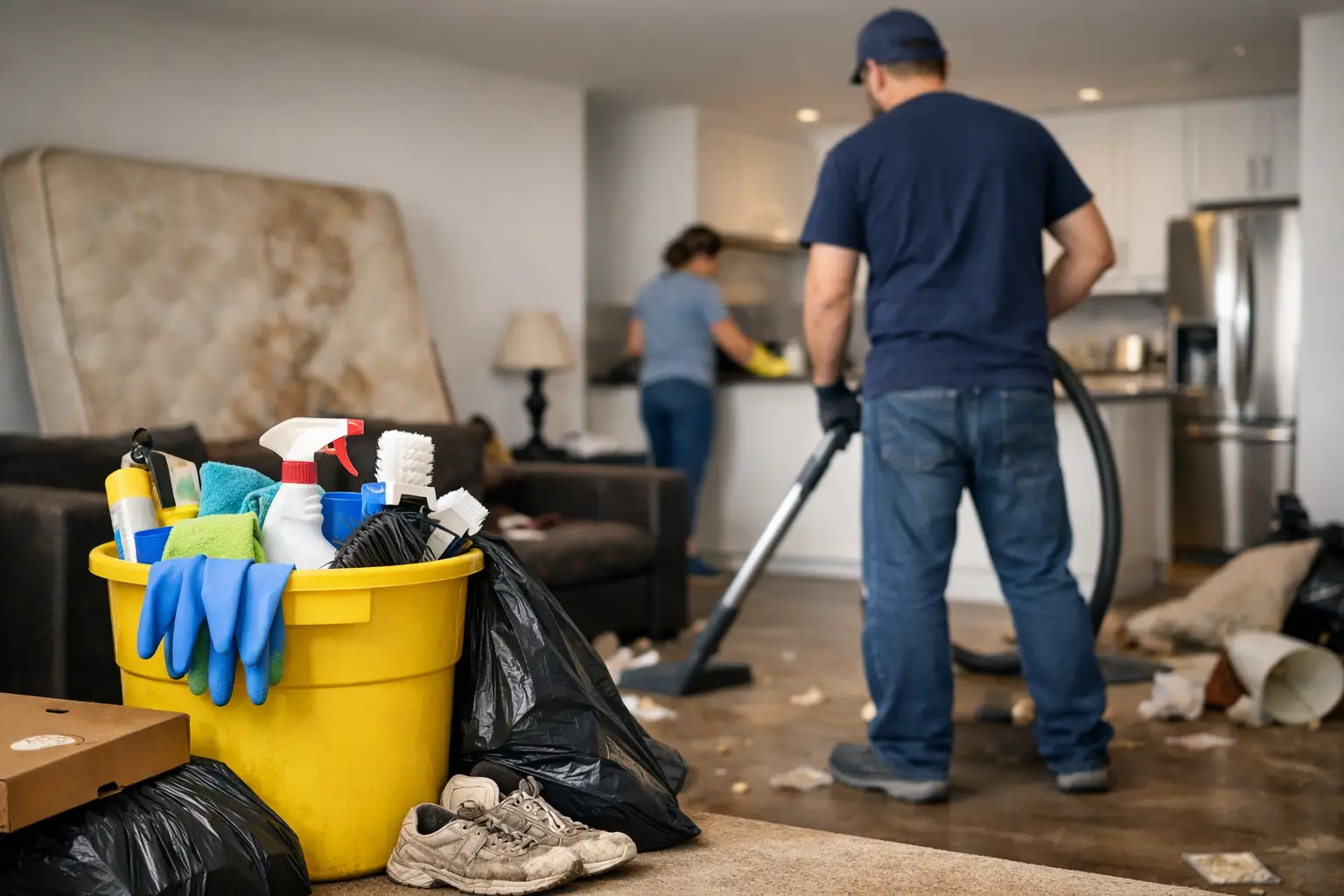
A rental is rarely ready for a new tenant the moment an eviction is complete. There may be furniture in every room, bags of trash in the garage, damaged walls, food left in the refrigerator, or personal belongings that cannot simply be tossed out. Following the right post eviction cleanup steps protects your property, keeps the turnover organized, and helps you get the home or apartment back on the market without adding avoidable delays.
For landlords and property managers in West Georgia and East Alabama, the biggest challenge is usually not knowing what needs to be done. It is knowing what must happen first. A rushed cleanout can create legal trouble, hide damage, or leave you paying twice for the same work. Start with documentation and access, then move through removal, cleaning, repairs, and final inspection in that order.
Before anyone removes furniture, trash, appliances, or boxes, walk through the property and document its condition. Take clear photos and videos of every room, closet, garage, attic, shed, porch, and yard. Capture damaged flooring, holes in walls, broken fixtures, stains, missing appliances, and any items left behind.
This record helps support security deposit deductions, insurance claims, contractor estimates, and any follow-up questions about the property’s condition. Keep copies of the lease, move-in inspection, maintenance records, notices, and your final walkthrough notes in one file. If possible, date-stamp your photos and make a simple written list of the damage you find.
Make sure the eviction process has been completed properly before entering or taking possession of items. Rules around abandoned property, notice periods, storage, and disposal can vary by state and local jurisdiction. When personal belongings remain, confirm your legal responsibilities with a qualified attorney or local housing authority before removing them. This step may feel slow when you need the unit turned quickly, but it can prevent a much bigger problem later.
Once you have legal possession, secure the home right away. Change exterior door locks, rekey locks, update garage codes, and collect or deactivate any access devices that may still work. If the property has a security system, smart lock, gate code, or utility room key, reset those as well.
Check for immediate safety concerns before sending in cleaners or a junk removal crew. Look for broken glass, exposed wiring, water leaks, pest activity, sharp debris, mold, animal waste, or signs of structural damage. If there is a strong odor, a backed-up toilet, a leaking refrigerator, or standing water, address that issue first. Cleanup work goes faster and safer once the source of the problem is under control.
It is also a good time to check utilities. You may need electricity and water active for cleaning, repairs, HVAC testing, and appliance inspection. If utilities were shut off, arrange service early rather than discovering the issue on cleaning day.
A clear sorting plan prevents useful items from being mixed with debris and keeps labor costs under control. Work room by room, starting with the largest areas or the areas blocking access. Label or photograph anything that may need to be stored under applicable abandoned-property rules.
After that, separate the remaining contents into practical categories: trash, donations, recyclables, reusable items, hazardous materials, and bulky junk. Old couches, mattresses, broken dressers, ruined carpet, bagged trash, yard debris, and unwanted appliances often require more than curbside pickup can handle. A full-service cleanout crew can do the lifting, loading, and hauling so your maintenance team can focus on the repairs that get the unit rent-ready.
Be careful with items that need special handling. Paint, chemicals, propane tanks, batteries, tires, fluorescent bulbs, and certain electronics should not be mixed into ordinary household junk. Refrigerators and freezers can also create a mess if food has spoiled or liquids have leaked. Tell your removal provider what is on-site before the job so the crew can plan for the proper disposal method.
Once unwanted materials are removed, you can see the real condition of the unit. Start cleaning at the top of each room and work downward. Dust ceiling fans, vents, shelves, blinds, and light fixtures first. Then clean walls, windows, cabinets, counters, appliances, bathrooms, and floors.
Kitchens and bathrooms usually need the most attention after an eviction. Pull out the refrigerator and range if possible, clean behind and beneath them, and check for grease buildup, pests, leaks, or damaged outlets. In bathrooms, inspect caulk, grout, exhaust fans, toilet bases, and under-sink plumbing. A clean-looking unit can still have a slow leak or loose fixture waiting to become your next maintenance call.
Odors deserve more than a quick air freshener. Smoke, pet urine, mildew, spoiled food, and trash odors often remain in carpet padding, drywall, cabinets, and HVAC filters. The right solution depends on the source. Carpet may need professional treatment or replacement, while heavy smoke damage may require sealing and repainting. If the odor is tied to moisture or mold, solve the leak or ventilation issue before cosmetic work begins.
After cleaning, conduct a second walkthrough to identify repairs that were hidden by clutter. Test every light switch, outlet, faucet, toilet, appliance, smoke detector, thermostat, door, window, lock, and ceiling fan. Check walls for holes, floors for soft spots, and cabinets for loose hinges or water damage.
Prioritize repairs based on safety and habitability first. Electrical problems, plumbing leaks, broken locks, damaged handrails, HVAC concerns, and smoke detector issues should move to the front of the list. Then address functional repairs such as damaged blinds, faulty appliances, torn screens, and sticking doors. Cosmetic work like paint touch-ups, new hardware, and landscaping can follow.
Not every unit needs a full renovation between tenants. It depends on the lease term, the property’s age, the damage, and the condition of finishes before move-in. Still, this is a smart time to make upgrades that reduce future maintenance, such as durable flooring in high-traffic areas, fresh caulk around tubs, better cabinet pulls, or LED lighting. Choose improvements that make sense for the rental rate and your long-term maintenance budget.
The final walkthrough should be more than a quick look from the doorway. Use the same checklist for every turnover so nothing gets missed. Confirm that all junk is gone, every room is clean, repairs are complete, keys work, safety devices are operational, and the exterior is presentable.
Pay attention to small details that shape a new tenant’s first impression: empty cabinets, clean baseboards, working blinds, a fresh HVAC filter, a swept entry, and no leftover debris around the mailbox, driveway, or dumpster area. If the unit has a garage, storage building, or fenced yard, inspect those spaces too. They are easy to overlook and just as easy for a prospective tenant to notice.
Take fresh photos once the work is complete. They provide a record of the rent-ready condition and give you better marketing images for the next listing. They also make the next move-out comparison much easier.
Some turnovers can be handled with a few trash bags and a maintenance visit. Others involve multiple rooms of furniture, heavy appliances, construction debris, damaged flooring, or a packed garage. In those situations, trying to piece together curbside pickup, labor help, and several dump runs can cost more time than it saves.
A local, licensed and insured junk removal company can clear the property in one coordinated visit, especially when you need bulky items removed quickly. JBC Junk Removal helps landlords, property managers, realtors, and homeowners across LaGrange, Hogansville, Newnan, and nearby communities handle eviction cleanouts without putting the heavy lifting on their own crews.
A well-managed turnover starts with careful records and ends with a property you would feel comfortable showing that afternoon. Handle the legal and safety details first, then bring in dependable help for the labor-heavy work so you can put your attention where it belongs: getting a good home ready for its next tenant.