
LaGrange, GA and The Surrounding Area

Have Questions? Email Us

7 AM – 6 PM
LaGrange, GA and The Surrounding Area
Have Questions? Email Us
7 AM – 6 PM
Call For A Free Estimate

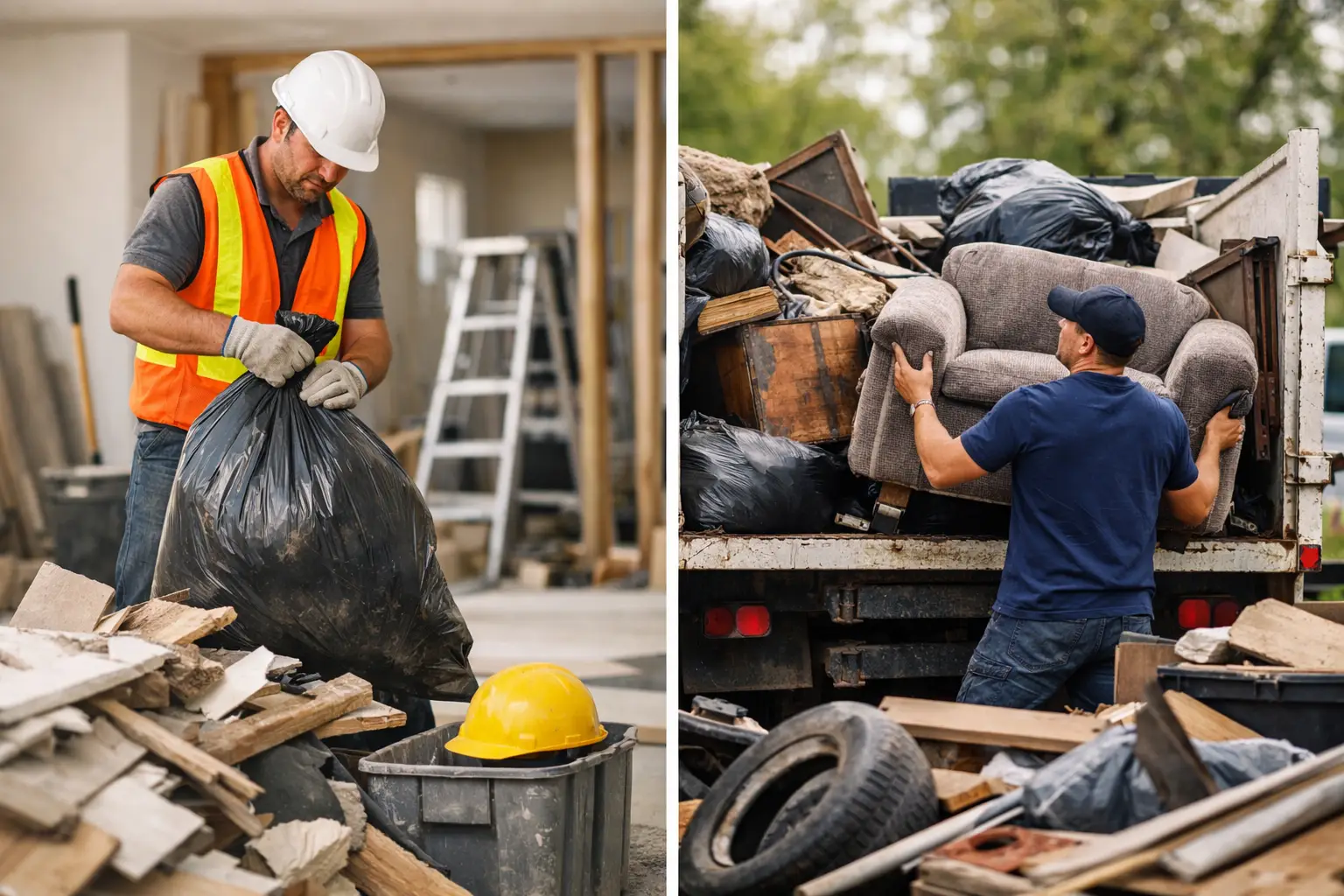
A renovation can look finished while the property still feels far from ready. There may be drywall scraps in the garage, old cabinets by the curb, lumber offcuts in the yard, and a dusty layer across every surface. That is where the difference between construction cleanup vs junk hauling matters. Both services remove unwanted material, but they solve different parts of the job.
For homeowners, contractors, landlords, and property managers in West Georgia, choosing the right service can save time, avoid extra labor, and get a home, rental, or commercial space ready sooner. The right answer depends on what is left behind, how much cleanup the site needs, and whether you need hauling only or a more complete post-project reset.
Construction cleanup is the work that happens during or after a building, remodeling, demolition, or repair project. It is broader than loading debris into a truck. Depending on the project, cleanup may involve collecting loose materials, bagging debris, sweeping work areas, clearing walkways, removing protective coverings, and hauling away construction waste.
A contractor may need cleanup after replacing a roof, remodeling a kitchen, renovating an office, or completing a rental turnover. A homeowner may need it after a DIY bathroom project that produced more debris than expected. In either case, the goal is to make the site safer, cleaner, and ready for the next phase of work or occupancy.
Construction cleanup often happens in stages. A rough cleanup keeps a jobsite manageable while work is still underway. The final cleanup takes place once the trades are done and focuses on clearing remaining debris, dust, packaging, and discarded materials. Some projects also need repeated pickups, especially when space is tight or debris piles could slow down crews.
Construction debris can include lumber, drywall, carpet, flooring, trim, cabinets, doors, fixtures, cardboard, pallets, insulation, fencing, branches, and non-hazardous demolition material. Old appliances or furniture removed during a remodel may also be part of the load.
Not every material can be handled the same way. Paint, chemicals, fuels, certain electronics, and other hazardous items may require a separate disposal method. A dependable cleanup provider should be clear about what they can take before arriving, rather than leaving you with a surprise pile at the end of the day.
Junk hauling is a full-service removal option for unwanted items that are already ready to go. The crew does the lifting, loading, hauling, and proper disposal or donation sorting when possible. It is often the better fit when the issue is clutter, bulky items, or a cleared-out space that still has unwanted belongings to remove.
Think about an owner cleaning out a garage before listing a house, a landlord dealing with belongings after a move-out, or a business replacing old desks and shelving. The material is not necessarily construction waste. It is simply junk that needs to be removed quickly and without the customer renting a truck, finding help, or making multiple dump runs.
Junk hauling can cover a single heavy item or an entire property cleanout. Common pickups include furniture, mattresses, appliances, boxes, storage-unit contents, yard waste, old exercise equipment, office furniture, and general household clutter. It is especially helpful when the work involves stairs, tight hallways, heavy lifting, or a deadline tied to a sale, lease, inspection, or move.
The simplest way to look at construction cleanup vs junk hauling is this: construction cleanup focuses on the mess created by a project, while junk hauling focuses on unwanted items that need to leave the property.
There is overlap. A remodeling project may produce both demolition debris and old furniture. A rental renovation may leave behind drywall scraps, broken blinds, abandoned belongings, and worn appliances. In those situations, one experienced local crew may be able to remove everything in a single visit, as long as the material is within the provider’s accepted scope.
The difference usually comes down to site condition and labor. If debris is spread across rooms, mixed with dust, or being produced throughout an active job, construction cleanup is the more accurate service. If the material is gathered in a garage, at the curb, in a storage unit, or inside a cleared home, junk hauling is usually the straightforward choice.
Choose construction cleanup when debris is tied directly to a build, repair, demolition, or renovation project. This may be after new flooring goes in, a bathroom is torn out, a deck is replaced, or commercial space is prepared for a new tenant.
It is also a better option when the cleanup needs to support the job itself. Loose nails, sharp scrap material, packaging, and blocked access paths can create safety issues and slow down work. Regular debris removal keeps the site more organized and gives contractors room to do their job.
For contractors, scheduling removal before the final walkthrough can make a major difference. Customers notice leftover scraps, packed boxes, and debris piles immediately. A clean finish helps the completed work stand out for the right reasons.
Junk hauling is usually best when the project is done but the property still has bulky items or unwanted contents. For example, a homeowner may have removed old cabinets and now needs the cabinets, countertop pieces, and garage clutter hauled away. A realtor may need a fast cleanout before photos or showings. A landlord may need left-behind furniture removed before maintenance can begin.
It is also a practical choice for small projects. Renting a dumpster can be more than you need if you have one pickup truck’s worth of debris, a few heavy items, or a pile that can be loaded in one visit. With full-service hauling, you do not have to worry about loading it yourself or making disposal runs after a long workday.
For large cleanouts, junk hauling can be flexible enough to handle rooms, garages, attics, sheds, storage units, and commercial spaces. The crew can remove items where they sit, which is a real benefit when the property is already stressful to manage.
Pricing depends on volume, labor, access, material type, and disposal requirements. A small pile of boxed debris at the curb takes less time than a mixed load spread across a second-floor apartment. Heavy materials such as shingles, concrete, dirt, or dense demolition debris may also affect the price because they add weight and require specific disposal handling.
Access matters more than people expect. Is there a long walk from the house to the truck? Are there stairs? Is the debris behind a locked gate or inside a packed storage unit? Sharing these details when requesting an estimate helps the crew arrive prepared and gives you a more accurate price.
Timing matters too. If contractors are still actively producing debris, recurring pickups or scheduled construction cleanup may keep the project moving. If everything is already piled and ready, a one-time junk hauling appointment may be the fastest, most affordable route.
You do not need to do all the physical work before a professional crew arrives. That is the point of hiring help. Still, a little preparation can make removal faster and protect items you want to keep.
Set aside anything that is not meant for disposal, including tools, personal documents, sentimental items, and materials a contractor plans to reuse. If possible, identify hazardous products or items with special disposal needs before the appointment. For a jobsite, let workers know when the removal crew is expected so vehicles, equipment, and access areas are clear.
Photos are often useful when requesting an estimate. They help show the amount of material, the types of items involved, and whether the crew will need to work around stairs, gates, or tight spaces. Honest details upfront lead to fewer surprises on pickup day.
Whether you need a post-renovation debris pickup or a full property cleanout, the best service is the one that matches the actual condition of the space. JBC Junk Removal helps customers across LaGrange, Hogansville, Newnan, and nearby communities handle both construction debris and everyday junk with fast, friendly, insured service.
Before you schedule, take a quick look at what remains: Is it project debris, unwanted belongings, or a mix of both? A clear description and a free estimate can turn the final, frustrating part of the job into a simple pickup and a clean space ready for what comes next.