
LaGrange, GA and The Surrounding Area

Have Questions? Email Us

7 AM – 6 PM
LaGrange, GA and The Surrounding Area
Have Questions? Email Us
7 AM – 6 PM
Call For A Free Estimate

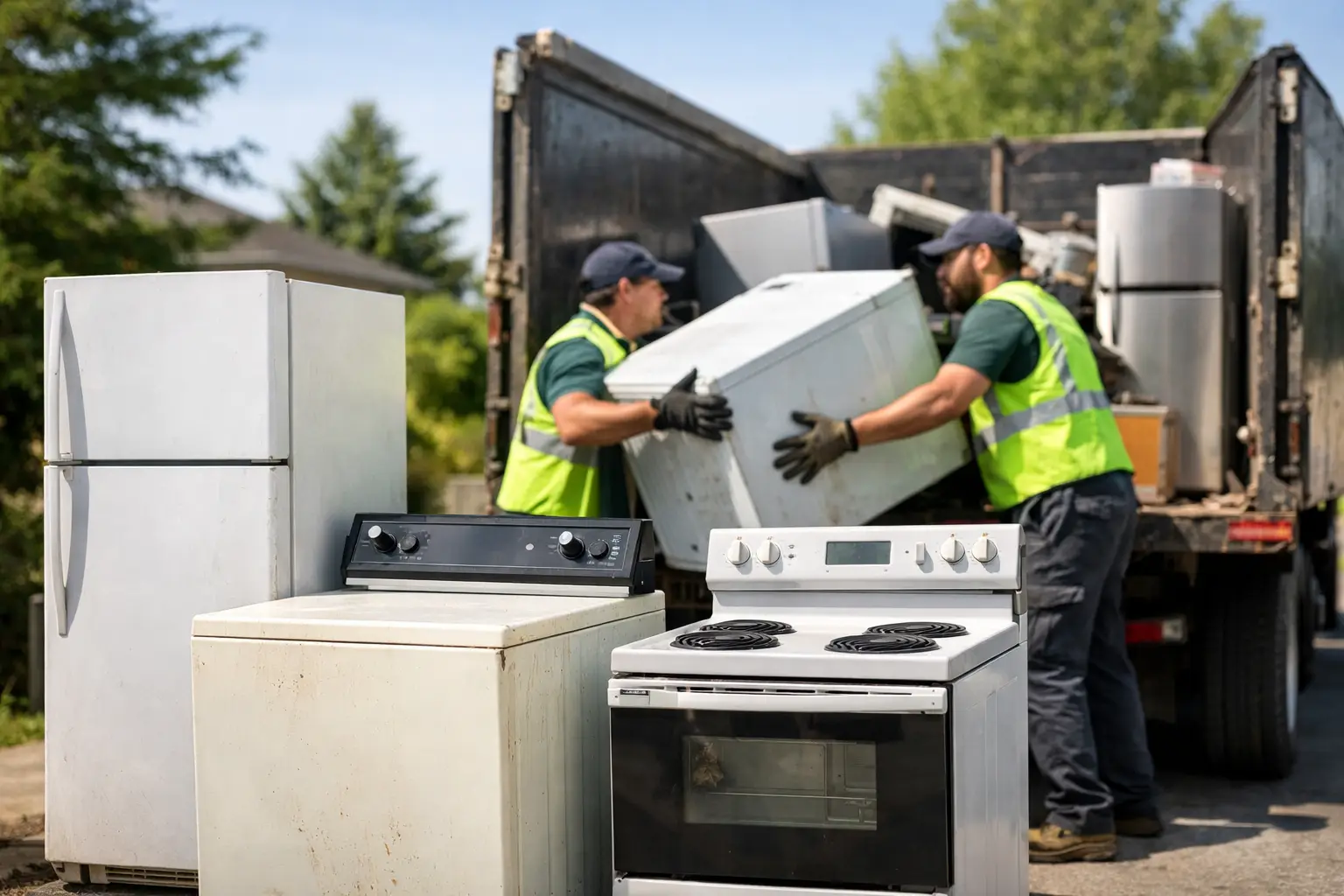
That old refrigerator in the garage usually sits there longer than anyone plans. Same goes for the broken washer in the laundry room or the stove left behind after a move-out. If you’re wondering can junk removal take appliances, the short answer is yes – in many cases, a full-service junk removal company can haul them away for you. The real question is which appliances are accepted, whether they need special handling, and what the pickup process looks like.
For homeowners, landlords, property managers, and business owners, appliance removal often comes down to two things: weight and hassle. These items are bulky, awkward, and not something most people want to wrestle into a truck on their own. That is where a dependable local crew makes a big difference.
Most of the time, yes. Junk removal companies commonly take household and commercial appliances as part of regular pickup service, estate cleanouts, foreclosure cleanouts, rental turnovers, and business cleanouts. That includes items that still work, items that are broken, and items that are simply too old to be worth keeping.
But it is not always a blanket yes. Some appliances need extra steps because of refrigerants, water connections, built-in installation, or local disposal rules. So while a junk removal company may be able to take the item, the crew may need to know a few details ahead of time before they schedule the job.
That is why it helps to be specific when you ask for an estimate. Saying “appliance pickup” is a start, but saying “one refrigerator in the garage and a disconnected dryer in the laundry room” gives a much clearer picture of what is involved.
Most full-service junk removal companies will take the appliances people most often need removed from homes, rentals, and commercial spaces. Common examples include refrigerators, freezers, washers, dryers, dishwashers, ovens, stoves, microwaves, water heaters, and air conditioning units. In many cases, companies also remove smaller kitchen appliances if they are part of a larger junk pickup.
The easiest jobs are usually appliances that are already unplugged, disconnected, and ready to go. A washer and dryer sitting in a garage is a simpler pickup than a built-in wall oven that still needs to be detached. A standalone refrigerator is different from a commercial cooler that may have to be moved out through a tight back hallway.
If you are cleaning out a rental property, getting a home ready to sell, or clearing a commercial space, appliance removal can often be bundled with furniture, trash, boxes, and other unwanted items. That saves time and keeps the cleanup to one appointment instead of several.
When people ask can junk removal take appliances, refrigerators and freezers are usually what they are really asking about. Those appliances often contain refrigerants, and that means disposal is not as simple as tossing out a broken chair or loading up old boxes.
Many junk removal companies can still take them, but they need to follow proper handling and disposal practices. Depending on the item and the local requirements, the appliance may need to go to a facility that accepts refrigerant-containing units, or it may need documented processing before disposal or recycling.
The same issue can apply to window AC units, dehumidifiers, and some commercial cooling equipment. That does not necessarily mean the item cannot be removed. It just means it may need a company that knows how to handle it correctly.
A smooth pickup starts before the crew arrives. In most cases, appliances should be emptied, unplugged, and disconnected in advance unless the company specifically says they handle disconnection too. Water lines, gas lines, and built-in electrical hookups can add complexity, and some junk removal teams may require those connections to be professionally disconnected first.
It also helps to clear a path. An old freezer buried behind storage bins or a washer blocked by stacked boxes slows down the job. If the crew can access the item safely, the pickup goes faster and with less risk of damage to walls, floors, or door frames.
For refrigerators and freezers, defrosting ahead of time is smart if possible. That avoids leaks, odors, and a mess during removal. If an appliance has doors that swing wide or awkwardly, securing them before pickup can help too.
Appliance removal pricing depends on more than the item itself. Size, weight, location, accessibility, and disposal requirements all matter. A dryer on a first-floor porch is one thing. A heavy refrigerator in a second-floor apartment with narrow stairs is another.
The total load size often matters too. If you only need one small appliance picked up, the price may look different than if you are clearing out a garage, rental unit, or office break room and adding several items to the truck. In many cases, bundling appliance pickup with other junk removal services gives better value than scheduling a separate trip later.
Items that require special disposal, like refrigerant-containing appliances, may also affect cost. The best approach is always a clear estimate based on what the crew is actually hauling away.
A lot of people think they can handle appliance removal themselves until it is time to move the thing. Then reality shows up. Appliances are heavy, unevenly balanced, and tough to maneuver through tight doorways, hallways, and staircases. Add in the risk of scratched floors, dinged walls, or a back injury, and the money saved on DIY hauling starts to disappear fast.
This is especially true for landlords between tenants, realtors preparing a listing, and contractors managing renovation debris. Time matters. You do not want a broken stove delaying a turnover or an old refrigerator sitting in the way when other work needs to happen.
That is where a local full-service crew earns its keep. The right team shows up with the labor, equipment, and truck space to get the appliance out without turning the day into a bigger project.
Yes, and that is often one of the most useful services for commercial customers. Offices, break rooms, restaurants, retail spaces, and rental properties all end up with appliances that need to go. Sometimes it is a single mini fridge. Sometimes it is multiple units during a property cleanup or business transition.
Commercial jobs often require flexibility and speed. Property managers may need quick removal after an eviction. Small business owners may need an old freezer gone before new equipment arrives. In those cases, working with a licensed and insured local company can make the process a lot less stressful.
For larger cleanouts, appliance removal is usually just one piece of the job. It may be combined with furniture removal, general junk hauling, construction debris, or leftover tenant belongings.
If the appliance is especially large, contains refrigerant, is built in, is still connected to utilities, or is part of a bigger cleanout, it is worth calling and asking questions before moving anything. A good junk removal company will tell you what they can take, what needs to be disconnected first, and how pricing works.
That kind of straightforward answer matters. People usually are not looking for a complicated explanation. They just want to know whether the item can be removed, how soon it can happen, and what it will cost.
For customers in West Georgia and East Alabama, that practical, no-hassle approach is exactly what a local company like JBC Junk Removal is built around. Fast response, fair pricing, and full-service labor matter a lot when the item you need gone weighs 250 pounds and is wedged into a laundry room.
So, can junk removal take appliances? In most cases, absolutely. Refrigerators, washers, dryers, stoves, dishwashers, water heaters, and many other appliances can usually be hauled away by a full-service junk removal company. The only catch is that some items need special handling, especially when refrigerants, gas lines, or built-in installation are involved.
If you are not sure whether your appliance qualifies, the easiest move is to ask for a free estimate and describe exactly what needs to go. A quick conversation now can save you a lot of lifting, wasted time, and frustration later. Sometimes the best cleanup decision is simply letting the right crew handle the heavy stuff.