
LaGrange, GA and The Surrounding Area

Have Questions? Email Us

7 AM – 6 PM
LaGrange, GA and The Surrounding Area
Have Questions? Email Us
7 AM – 6 PM
Call For A Free Estimate

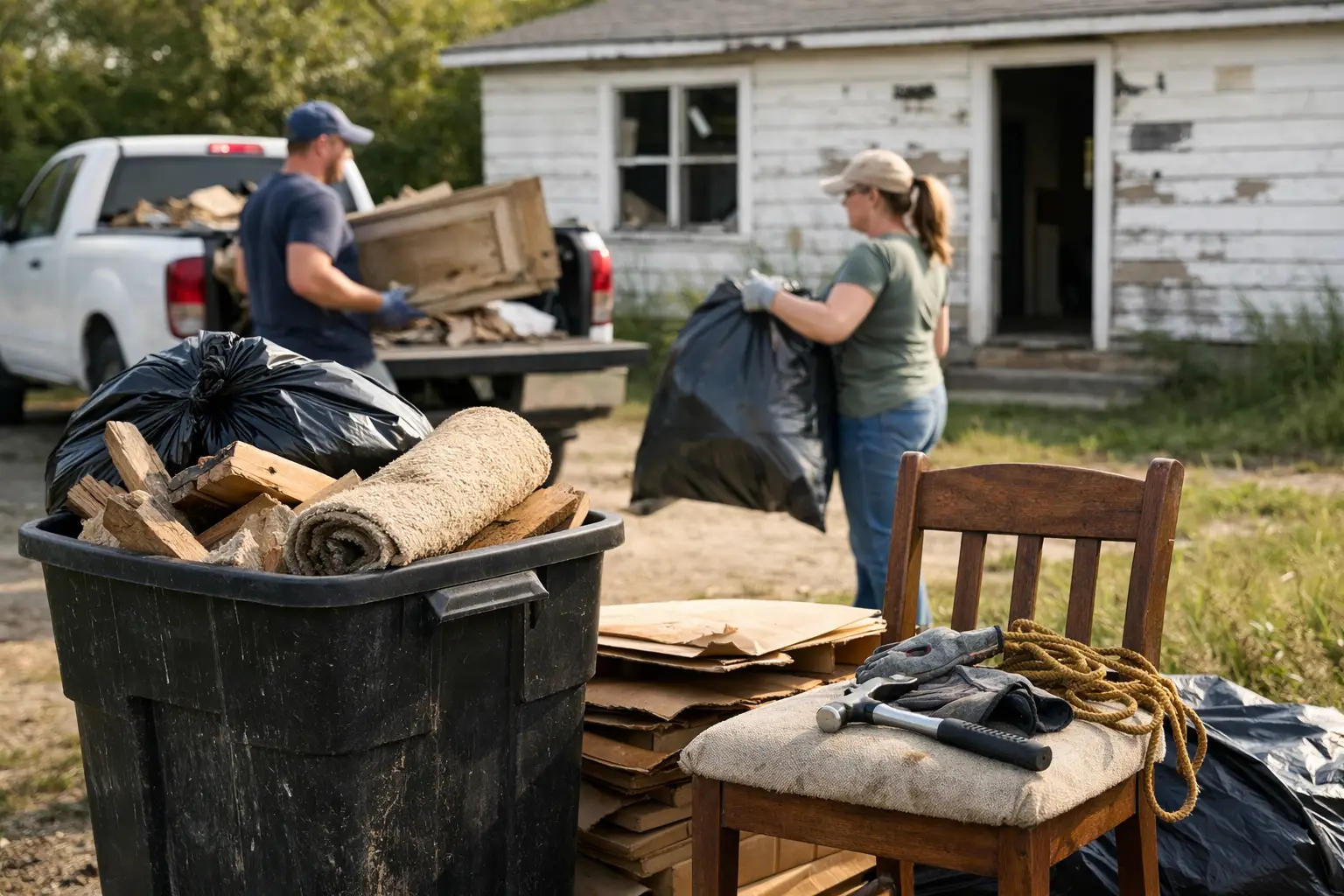
A foreclosure cleanup rarely starts with a neat, empty house. More often, there are bags in the garage, furniture left in bedrooms, food in the refrigerator, and a yard that has gone unattended for months. This guide to foreclosure property cleanup gives property owners, banks, realtors, and managers a practical way to take control of the work without creating more delay, damage, or expense.
The goal is not simply to remove everything as fast as possible. A good cleanup protects the property, documents what was found, handles disposal responsibly, and gets the home ready for inspection, repair, listing, or its next occupant.
Before anyone starts hauling, confirm who has legal authority to enter the property and remove belongings. This step matters most when a former owner or tenant may still have rights to personal property under a court order, lease requirement, lender policy, or local rule.
Keep written authorization on file. For a realtor or property manager, that may be a work order from the owner, lender, asset manager, or attorney. If you are a homeowner who has taken possession after a difficult move-out, make sure you understand what property can be discarded and what may need to be stored or documented first.
Take date-stamped photos and video of every room, the garage, sheds, crawl spaces, and the yard before moving items. Photograph valuable-looking belongings separately, including tools, electronics, vehicles, paperwork, safes, and anything that may create a question later. Documentation takes a little time, but it can prevent a much bigger problem.
An unsecured vacant property can attract trespassers, dumping, theft, and weather damage. Once you have authorization, make the house safe and secure before a large cleanup crew begins moving through it.
Check that exterior doors and accessible windows lock properly. Look for broken glass, damaged fencing, loose handrails, exposed wiring, standing water, and signs of roof leaks. If utilities are active, confirm that electricity, water, and gas are in a safe condition. Do not assume a vacant house has been shut down correctly.
It also helps to make a simple room-by-room work plan. Identify which areas need trash removal, which items may be donated or recycled, which materials need special handling, and which rooms require repairs before cleaning can move forward. That plan keeps the crew from hauling away something that should have been saved and prevents the job from turning into an expensive second visit.
Junk removal solves a large part of a foreclosure cleanout, but not every condition belongs in a standard load. Stop and bring in the appropriate professional when you find:
The right response depends on the material and the condition of the home. Trying to save a few dollars by handling a hazard without the right training can create liability and put people at risk.
Foreclosure properties often contain more than obvious trash. There may be personal records, family photos, bank statements, prescription medications, keys, mail, or items with resale value. The best approach is to sort deliberately, not emotionally and not carelessly.
Set aside documents that contain personal information. These should be secured for the authorized owner or destroyed through an appropriate confidential process. Prescription medications should not be tossed loose into household garbage. Follow local disposal guidance or use an approved collection option when available.
For the remaining contents, create three clear categories: items to retain, items to review, and items approved for removal. That is enough structure for most jobs. A property manager may want appliances or usable fixtures kept in place, while a lender may want the house cleared completely. The scope should be settled before loading begins.
Donation and recycling can be worthwhile when items are clean, usable, and accepted by local organizations or facilities. Still, foreclosure cleanouts are time-sensitive. If a donation pickup cannot happen quickly or the items are damaged, a full-service removal crew can keep the project moving while separating materials whenever practical.
Start with safety and access. Clear walkways, stairs, entry points, and hallways first so people can move equipment through the home without tripping over loose items. Then work room by room, beginning with the largest or most heavily packed spaces.
Kitchens and bathrooms deserve early attention because food, moisture, and trash can create odors and pest problems fast. Remove perishables from refrigerators, cabinets, and pantries. Empty trash, bag loose debris, and check behind appliances. If the refrigerator has been without power, plan for a thorough cleaning after removal of spoiled contents.
Next, handle bedrooms, living areas, closets, basements, attics, garages, and outdoor storage. Heavy furniture, mattresses, old televisions, broken appliances, carpet, construction debris, and general household junk are all common on these jobs. A full-service crew can do the lifting, loading, hauling, and disposal so the property team can focus on repairs and turnover tasks.
Do not overlook exterior areas. Curb appeal can suffer just as much from a pile behind the shed as from a cluttered living room. Remove abandoned tires, bagged trash, loose lumber, damaged outdoor furniture, brush, and bulk debris. If the property has a dumpster, confirm that it is permitted, accessible, and suitable for the materials being placed inside.
Foreclosure cleanup pricing usually depends on volume, labor, material type, access, and disposal requirements. A ground-floor house with a clear driveway is different from a packed home with steep stairs, a long walk from the road, or debris spread across multiple buildings.
Ask for a clear estimate based on what is actually on site. If the property cannot be inspected in person right away, detailed photos and video can help establish a working estimate, though the final amount may change if hidden rooms or heavy materials are discovered. Honest communication up front is better than a surprise after the truck arrives.
Scheduling also matters. If contractors, locksmiths, cleaners, inspectors, and photographers all need access, coordinate the cleanout first whenever possible. Clearing the home creates a safer workspace and makes it easier to spot repair issues that were hidden behind clutter.
For properties in LaGrange, Hogansville, Newnan, and nearby West Georgia communities, JBC Junk Removal can provide the labor and hauling support that keeps foreclosure cleanouts from becoming a drawn-out project. A local crew that shows up on time, treats the property respectfully, and gives a straightforward estimate can make a stressful turnover much more manageable.
Once the contents are out, walk the property again with the original photos and work order in hand. Check closets, cabinets, attic access points, sheds, crawl spaces, behind doors, and behind appliances. Confirm that no personal documents, keys, or approved retain items were left behind.
This is also the moment to note the next layer of work: deep cleaning, pest treatment, landscaping, drywall repair, flooring replacement, painting, or lock changes. A clean, empty home reveals its real condition. That clarity helps the owner make faster decisions about repairs, listing strategy, and budget.
A foreclosure property may have been sitting still for a long time, but the cleanup is a chance to move it forward. Handle the first load carefully, keep the scope clear, and let dependable hands take care of the hard work.