
LaGrange, GA and The Surrounding Area

Have Questions? Email Us

7 AM – 6 PM
LaGrange, GA and The Surrounding Area
Have Questions? Email Us
7 AM – 6 PM
Call For A Free Estimate

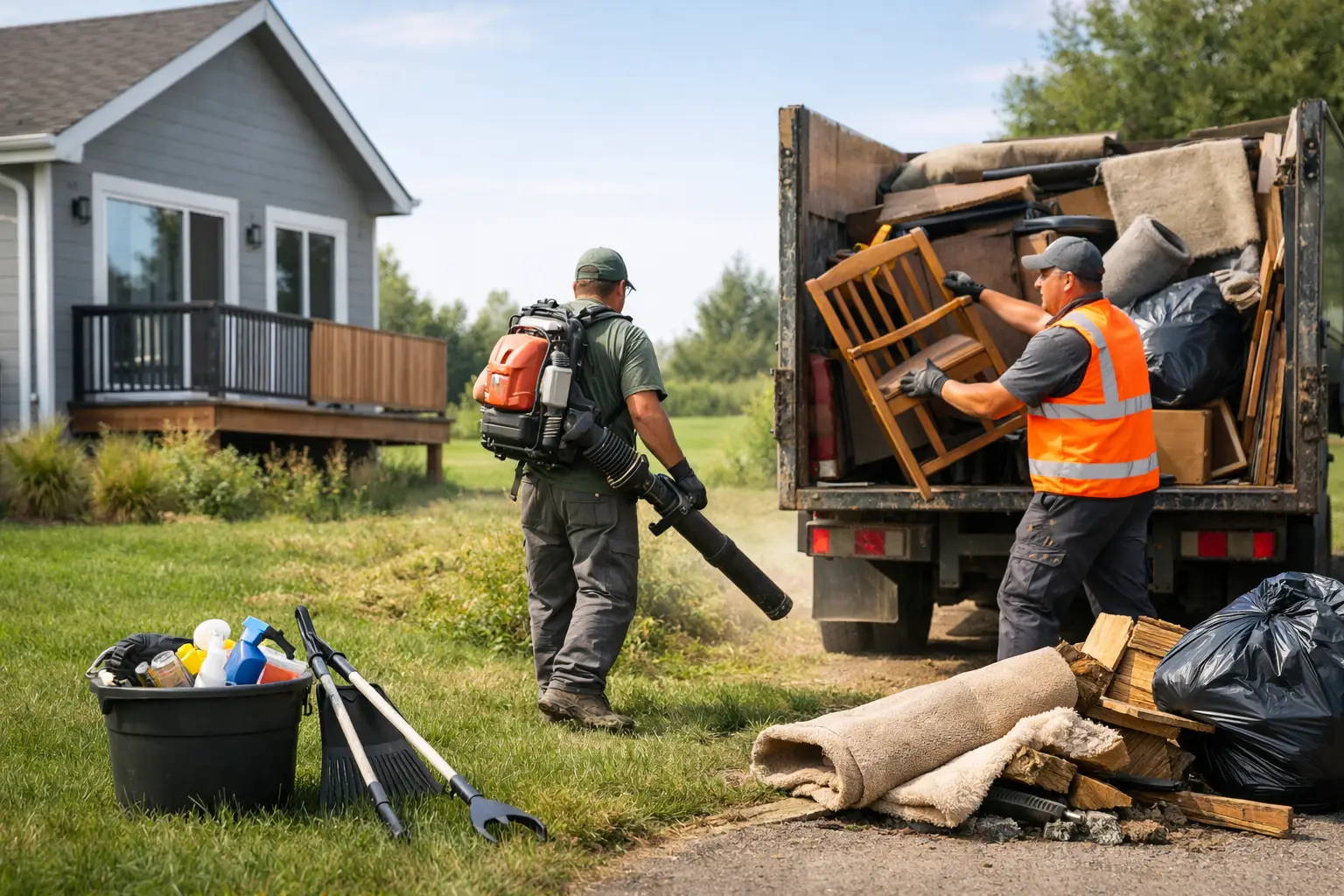
A vacant rental is expensive before it ever becomes a major problem. Every extra day spent sorting abandoned furniture, hauling bagged trash, or waiting on separate vendors can push back showings and cost rent. That is why property cleanup trends for landlords are moving toward faster, more organized turnarounds with one dependable crew handling the heavy lifting.
For landlords and property managers in West Georgia and East Alabama, the goal is not simply to get junk off the property. It is to restore a clean, safe, rent-ready space without adding another long task to an already full list. Here is what is changing and what it means for your next turnover.
Landlords have always wanted quick move-outs, but speed is becoming more closely tied to the full cleanup process. A tenant may leave behind a few bags of trash, or they may leave a couch, mattresses, broken appliances, boxes in the garage, and a storage shed full of belongings. Either way, waiting until the end of a turnover to address junk can hold up cleaners, painters, maintenance crews, and prospective tenant walk-throughs.
More landlords are scheduling cleanup as soon as a vacancy is confirmed. This allows a junk removal crew to clear the property before repairs begin, giving everyone else a cleaner workspace and preventing items from being moved from room to room during the renovation.
The practical shift is simple: treat cleanup as an early turnover task, not a final chore. When removal is scheduled promptly, you can inspect floors, walls, plumbing, and damage that may have been hidden behind furniture or piles of belongings. That makes it easier to build a realistic repair plan instead of discovering problems at the last minute.
One of the biggest trends is replacing the pieced-together approach. Instead of asking maintenance to drag items to the curb, hiring a separate hauler for furniture, and making multiple dump runs, landlords are looking for full-service cleanup help.
A capable crew can remove bulky furniture, household junk, bagged trash, old carpeting, appliances, yard debris, and items left in garages, attics, basements, or storage areas. The value is not only in the hauling. It is in avoiding the time, injury risk, truck rentals, disposal fees, and coordination that come with handling the job yourself.
This is especially useful for owners managing several doors or property managers handling units in different towns. A local removal company that answers the phone, provides a clear estimate, and shows up when scheduled can be more useful than the lowest-priced option that leaves you waiting.
There is a trade-off, of course. A basic curbside pickup may cost less than full-service removal when the load is small and you have the labor available. But when a unit has stairs, heavy items, a tight deadline, or a large amount of debris, full-service cleanup often protects your time and keeps the turnover moving.
Rental cleanouts can reveal more than ordinary junk. Broken glass, sharp metal, spoiled food, moldy belongings, animal waste, old chemicals, damaged electronics, and unstable furniture can all turn a simple cleanup into a safety concern.
Landlords are becoming more careful about who handles these conditions. Asking untrained workers or new maintenance staff to lift heavy furniture out of a second-floor apartment can create unnecessary injury and liability exposure. Licensed and insured professionals are better prepared for the labor-intensive parts of a cleanout, including loading, hauling, and disposing of materials responsibly.
Proper disposal also matters for your property and your community. Items cannot always be placed at the curb, and illegal dumping can lead to fines or neighbor complaints. A responsible junk removal service sorts loads for appropriate disposal and works to keep reusable or recyclable materials out of the landfill when possible.
For hazardous materials, the right answer depends on what is found. Paint, fuel, solvents, chemicals, and certain electronics may require special handling that is different from standard junk removal. It is best to identify those items during the estimate rather than letting them become a surprise on pickup day.
Eviction cleanouts remain one of the most sensitive areas of property management. They can be emotionally difficult, legally specific, and physically demanding. The cleanup itself may be straightforward, but landlords should make sure they have followed all applicable notice, storage, and possession requirements before anything is removed.
Once the property is legally ready for cleanup, speed matters. Left-behind belongings can fill every room, and a vacant home can quickly attract pests, moisture issues, or unwanted attention. The best approach is to document the unit, identify anything that must be retained, and then arrange removal of the remaining debris as quickly as possible.
Foreclosure and estate properties often need the same level of care. These homes may contain years of accumulated belongings, old furniture, garage clutter, yard waste, and outbuildings that have not been touched in a long time. A full property cleanout gives realtors, investors, heirs, and landlords a clearer view of the property’s actual condition.
Cleanup is moving beyond the interior of the rental. Landlords are paying closer attention to exterior spaces because the first impression starts in the driveway, at the mailbox, and along the walkway.
Old patio furniture, worn-out grills, fallen limbs, construction scraps, tires, and overflowing bulk trash can make an otherwise solid rental look neglected. They can also make it harder to market the property with photos or schedule showings with confidence.
A quick exterior cleanup does not mean every property needs a major landscaping project. It means removing what does not belong, clearing access points, and giving the next tenant a property that looks cared for. For a house with a garage, shed, or large yard, handling indoor and outdoor debris in one appointment can save considerable time.
For apartment communities and landlords with multiple rentals, the trend is less about emergency cleanouts and more about routine prevention. Overflowing dumpsters, abandoned items near breezeways, broken furniture by the curb, and move-out piles can pile up between scheduled trash service dates.
Recurring junk removal or valet trash service can help keep common areas cleaner and reduce the scramble after every move-out. It also gives managers a reliable contact when a unit needs a larger cleanup than normal trash service can handle.
This is not necessary for every landlord. A person with one well-maintained rental may only need occasional pickup. But for higher-turnover properties, student rentals, or units with frequent bulky-item issues, a recurring arrangement can make budgeting and scheduling more predictable.
Before hiring a crew, be clear about the property’s condition, access, and deadline. Share whether there are stairs, locked gates, large appliances, detached buildings, construction debris, or items that may require special disposal. Accurate details help you receive a more useful estimate and help the crew arrive prepared.
It is also wise to ask whether labor, loading, hauling, and disposal are included in the quoted price. Confirm the pickup window, make sure the company is insured, and ask how they handle donations, recycling, and materials they cannot accept. Clear communication prevents surprises when you are trying to get a unit back on the market.
For landlords around LaGrange, Hogansville, Newnan, and nearby communities, JBC Junk Removal provides fast, friendly, and affordable help for rental turnovers, eviction cleanouts, foreclosure cleanouts, furniture removal, and bulk debris pickup. A free estimate lets you understand the job before the work begins.
The best cleanup plan is the one you can put into motion early. When a tenant leaves, take photos, protect any items you are legally required to hold, and schedule the removal work before clutter starts delaying every task that comes next.