
LaGrange, GA and The Surrounding Area

Have Questions? Email Us

7 AM – 6 PM
LaGrange, GA and The Surrounding Area
Have Questions? Email Us
7 AM – 6 PM
Call For A Free Estimate

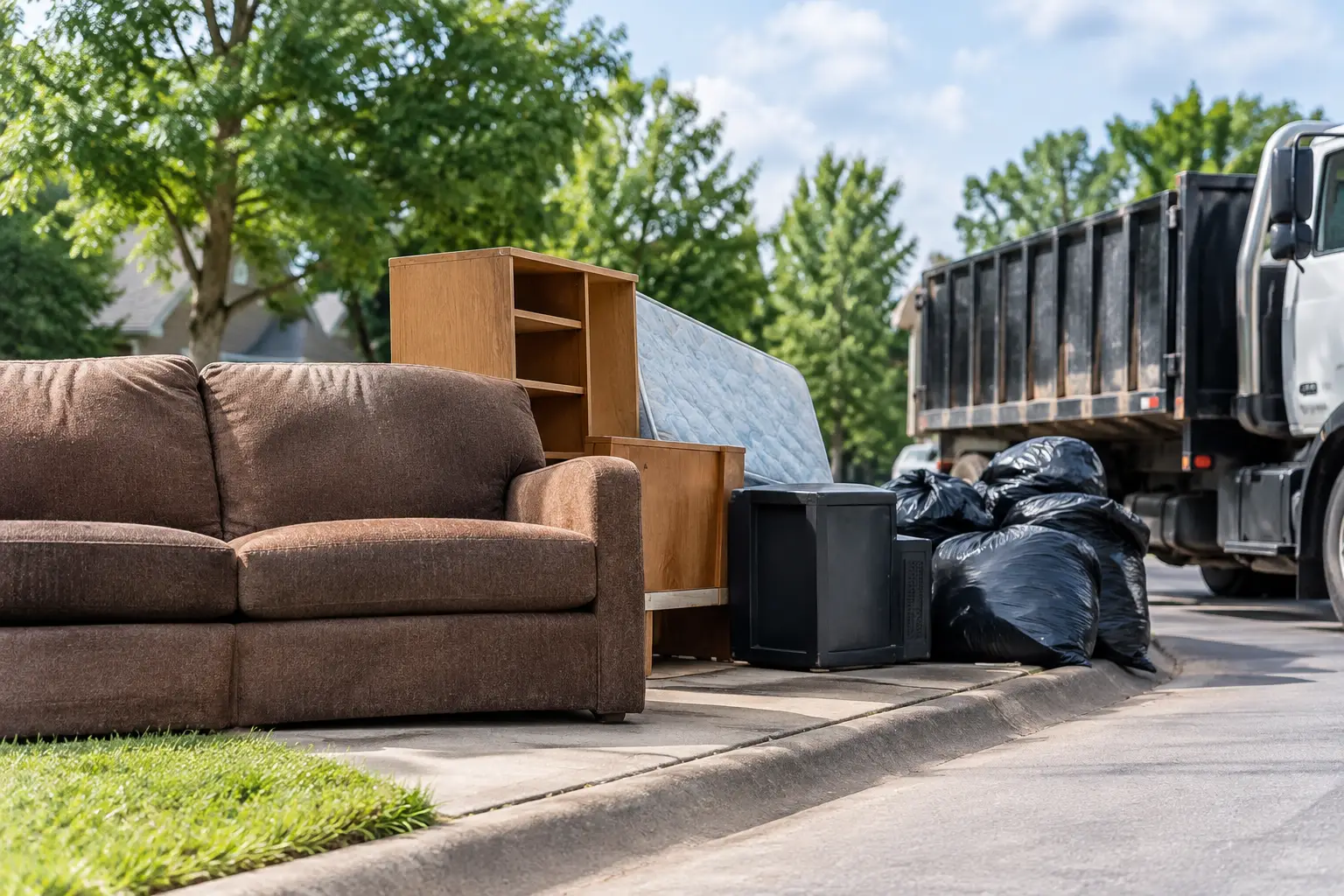
A worn-out sofa on the curb, an old refrigerator in the garage, or a pile of renovation debris behind a rental can turn into a bigger problem fast. The best solutions for bulky trash depend on what you have, where it needs to go, and how much time and labor you can spare. For many West Georgia homeowners, landlords, and contractors, the right answer is the one that gets heavy items gone safely without creating a new headache.
Bulky trash is more than a few extra garbage bags. It can include furniture, mattresses, appliances, broken exercise equipment, oversized boxes, construction materials, yard debris, and the contents of a packed-out garage or storage unit. Some items can be donated or recycled. Others require special disposal. Knowing the difference helps you avoid wasted trips, surprise fees, and an overloaded pickup truck.
Before choosing a disposal method, take a quick look at the size, condition, and material of the item. A solid wood dresser in good shape may have a second life. A water-damaged couch, on the other hand, is usually headed for disposal. Appliances, electronics, tires, paint, chemicals, and certain construction materials may have separate handling requirements.
This first step matters because curbside pickup, donation centers, transfer stations, and full-service junk removal companies all accept different materials. A quick plan prevents you from hauling something across town only to be turned away.
Donation is a good choice when items are clean, safe, and still useful. Tables, chairs, bedroom furniture, small appliances, kitchenware, and working home goods may be accepted by local charities or resale organizations. It is a practical way to reduce waste while helping someone else furnish a home.
There are limits. Most donation organizations will not take heavily stained upholstery, broken furniture, mattresses, damaged particleboard items, or anything with signs of pests, mold, or smoke damage. Pickup availability can also be limited, especially when you need items removed quickly for a move, estate sale, or rental turnover.
If timing is tight, do not let a donation plan hold up the whole cleanup. Set aside the clearly usable items, then arrange removal for the rest.
A local convenience center, transfer station, or landfill can work well when you have a small amount of bulky trash and a suitable vehicle. This option often makes sense for a few broken chairs, bagged debris, old shelving, or a light load from a weekend cleanup.
The trade-off is the work involved. You need to load the items, secure them properly, drive to the facility, wait in line, unload everything, and clean out your vehicle afterward. Heavy furniture, appliances, wet debris, and loose construction materials can make that job harder than expected.
Check local rules before loading up. Facilities may have fees, proof-of-residency requirements, load limits, and separate areas for metal, electronics, tires, or household hazardous waste. Never assume every item can go in the same pile.
Some neighborhoods or local waste providers offer scheduled bulk pickup. This can be a convenient solution for one or two approved items, such as a mattress or a piece of furniture, if you can wait for the scheduled collection date.
Curbside service is usually less helpful when you are dealing with a large cleanout, a tight deadline, or items that are not accepted. Restrictions may apply to appliances, electronics, construction debris, paint, and oversized loads. You also have to move everything to the curb yourself, which is not ideal if you are handling a heavy sectional sofa, a washer and dryer, or a packed garage.
Keep items off the curb until the allowed pickup window whenever possible. Leaving bulky trash out too early can block sidewalks, create an eyesore, or invite extra dumping from neighbors and passersby.
Full-service junk removal is often the most practical choice when bulky trash is inside the home, upstairs, in a backyard, or spread across an entire property. A trained crew handles the lifting, loading, hauling, and proper disposal so you do not have to rent a truck, find extra help, or risk an injury.
This option is especially useful for estate cleanouts, eviction cleanouts, foreclosure properties, apartment turnovers, office cleanouts, and post-renovation debris. It also helps when you need one large item gone fast, like an old hot tub, refrigerator, mattress set, or entertainment center.
The cost may be higher than taking a single small load to a disposal site yourself, but the value is in the labor, vehicle space, time savings, and convenience. For many customers, that difference is worth it when the alternative is making several trips or asking friends to move items that are too heavy to handle safely.
JBC Junk Removal provides local, full-service pickup for customers across LaGrange, Hogansville, Newnan, and nearby communities. A licensed and insured crew can remove items from wherever they sit, whether that is a garage, attic, rental unit, office, or job site.
The best bulky trash removal experience starts with a straightforward estimate. Describe what needs to go, mention whether items are upstairs or difficult to access, and include photos when requested. This gives the removal company a better picture of the labor and truck space involved.
Be clear about special materials. Refrigerators, freezers, televisions, old paint, tires, and construction debris may require different disposal steps. Honest details upfront help prevent delays and make sure the crew arrives prepared.
Not all bulky items belong in a standard trash load. A little sorting protects your property, your community, and the people handling the materials.
Appliances may contain refrigerants or valuable metal components. Electronics can contain materials that should not go into a landfill. Paint, fuel, batteries, chemicals, and propane tanks need careful handling. Mattresses, box springs, tires, and large amounts of yard waste may also be subject to local disposal rules.
If you are clearing an older property, be cautious with unknown materials. Do not break apart suspected asbestos-containing materials, old chemicals, or damaged containers just to make them easier to remove. Keep people and pets away from the area and ask a qualified professional about the proper next step.
Bulky trash becomes most stressful when it appears at the worst possible time. A closing date is approaching, a tenant has moved out, a renovation crew needs room to work, or family members are sorting through an estate. Scheduling removal early keeps clutter from slowing down the next phase.
For a move, start setting aside unwanted furniture and household items one or two weeks before moving day. For a rental turnover, inspect the property as soon as possible and separate trash from personal property that may need to be retained under applicable rules. For construction work, arrange regular debris removal if waste is building up faster than the crew can manage.
Property managers and contractors often benefit from a dependable local removal partner because every job is different. One week may call for a single couch pickup. The next may require clearing out an entire apartment, garage, or office space. Flexible scheduling and fast response matter when the property needs to be ready for the next tenant, buyer, or work crew.
Bulky trash causes plenty of avoidable injuries. Furniture can shift unexpectedly, glass can break, and appliances are heavier than they look. Lifting a washer down steps or trying to force a couch through a doorway can lead to back strain, damaged walls, or a broken handrail.
If you do handle a small item yourself, clear the path first, wear closed-toe shoes and gloves, and use a dolly or straps when appropriate. Do not lift beyond what you can safely control. For large, awkward, or unusually heavy items, professional removal is the safer solution.
The right cleanup plan should give you back usable space, not leave you exhausted in the driveway. Whether you donate a few good items, make a drop-off run, use curbside collection, or schedule a full-service pickup, choose the option that fits your timeline and keeps the job moving forward.