
LaGrange, GA and The Surrounding Area

Have Questions? Email Us

7 AM – 6 PM
LaGrange, GA and The Surrounding Area
Have Questions? Email Us
7 AM – 6 PM
Call For A Free Estimate

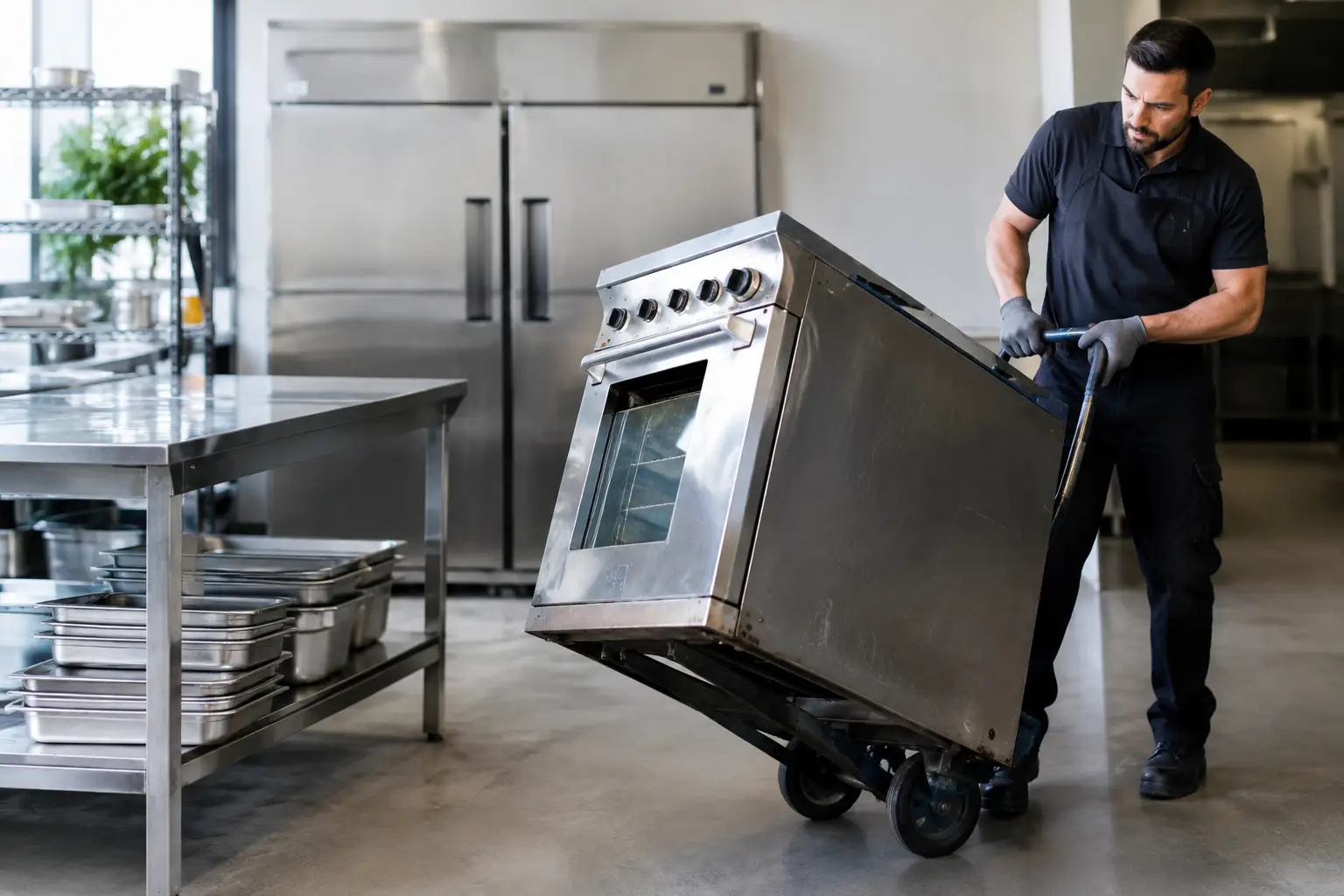
A restaurant can replace a failing walk-in cooler in a morning and still be stuck with the old unit sitting behind the building for weeks. That is where a solid restaurant equipment disposal guide helps. Commercial kitchen equipment is heavy, awkward, and sometimes regulated, so the quickest solution is not always to drag it to the curb and hope it disappears.
For restaurant owners, managers, landlords, and property managers in West Georgia and East Alabama, the goal is simple: clear the space safely, keep the property looking professional, and avoid creating a bigger problem during a remodel, closure, or tenant turnover.
Before scheduling pickup, walk through the kitchen, storage rooms, dining area, patio, and dumpster enclosure. Separate equipment that is still in serviceable condition from equipment that is damaged, incomplete, or no longer worth repairing. A working stainless prep table has a different disposal path than a broken ice machine with a leaking line.
Take photos and note the approximate dimensions of large items. Measure doorways, hallways, loading docks, stairwells, and any tight turns between the equipment and the exit. A commercial range, hood section, or freezer may fit through the kitchen door but not around the corner to the loading area. Knowing that ahead of time prevents delays and helps a removal crew bring the right labor and equipment.
Also check whether equipment is leased, financed, or owned by the building rather than the restaurant. During a restaurant sale, eviction, or lease turnover, this one step can prevent an expensive misunderstanding. When there is any question, get written approval before an item is removed.
Not every piece of kitchen equipment should go into the same pile. Sorting first makes the removal process safer and can reduce what ends up in a landfill. In many cases, metal equipment can be recycled, usable pieces can be sold or donated, and specialty items require separate handling.
Commercial refrigeration equipment needs extra care because it may contain refrigerant. Do not cut lines, tip a unit carelessly, or try to take apart a compressor to make the appliance easier to move. Refrigerant must be properly recovered by a qualified technician before the unit is dismantled or processed.
Empty the unit completely, remove loose shelves if that makes transportation safer, and dry out interior moisture. Old food, standing water, and mold can turn a routine pickup into a messy job. If the equipment has been unplugged, keep the doors secured for transport but avoid sealing a unit with trapped moisture inside for an extended period.
A commercial fryer should be fully drained and cleaned before removal. Used cooking oil should be handled through your existing oil collection program or another appropriate service, not poured into a drain, dumpster, or onto the ground. Grease buildup can make equipment difficult and unsafe to carry, especially through a busy back-of-house area.
Gas-powered equipment should be disconnected by someone qualified to do the work. The same goes for hardwired electrical equipment. Removal crews can haul equipment away, but utility disconnection and shutoff procedures need to be completed before pickup day.
Hood systems and exhaust components can be large, greasy, and connected to the building in several places. They may also involve electrical connections, ductwork, fire suppression components, roof penetrations, or permits. If a hood is being removed as part of a renovation, coordinate the contractor, electrician, and removal team so the equipment is ready when the crew arrives.
Do not assume that every attached kitchen component can be hauled away in one visit. Some pieces need professional disconnection or demolition first. A little coordination protects the building and keeps the project moving.
Point-of-sale terminals, tablets, monitors, printers, routers, security cameras, and office computers should be treated as electronic waste. Before disposal, erase customer, employee, payment, and vendor data from every device. Remove paper records, receipt rolls, and storage cards as well.
A restaurant cleanout can move fast, but data security should not be rushed. If you are unsure whether a device contains business information, assume that it does until it has been checked.
There is no one right disposal route for every restaurant item. It depends on the condition of the equipment, the time available, your storage space, and whether the equipment has local resale value.
A newer mixer, reach-in cooler, prep table, shelving unit, or dining furniture may be worth selling if it works and can be moved safely. Donation may make sense for usable furniture or smallwares, although many organizations cannot accept commercial appliances or equipment that needs repairs. Scrap metal recycling can be a practical option for stainless steel tables, shelving, sinks, and broken equipment once non-metal parts are separated when necessary.
For owners dealing with a deadline, resale can become more trouble than it is worth. Buyers may cancel, request repairs, or expect help loading heavy equipment. A full-service removal crew is often the better choice when you need the kitchen cleared by a lease date, inspection, sale closing, or construction start date.
The best pickup is the one that does not interrupt staff, tenants, neighboring businesses, or deliveries. Clear a path from the equipment to the exit and move boxes, mats, loose chairs, and small kitchen items out of the way. If equipment is behind a counter or built into cabinetry, make sure the surrounding materials have been removed first.
Use this quick preparation checklist for a smoother commercial cleanout:
If the restaurant is in a shopping center, ask about approved loading hours, dumpster access, parking restrictions, and certificate-of-insurance requirements. Property managers appreciate advance notice, especially when large equipment must be moved through shared service corridors.
Restaurant equipment disposal often turns into a full cleanout. Once the fryer and freezer are gone, you may find broken chairs, booth sections, old menu boards, cardboard, shelving, expired inventory, worn floor mats, office furniture, and construction debris behind them.
Bundling these items into one removal appointment can save time compared with arranging separate trips. It also leaves the space ready for cleaning, repairs, new equipment installation, or the next tenant. For landlords and realtors, a cleared commercial kitchen makes it easier to assess the condition of the space and show it without distractions.
Be upfront about everything that needs to go when requesting an estimate. Photos and a complete item list help a removal company price the job fairly and send enough crew members. That is especially helpful for second-floor locations, narrow back doors, heavy equipment, or cleanouts with limited parking.
A business owner can handle a few small items, but commercial equipment becomes a labor and logistics job quickly. Heavy lifting creates injury risks, and improperly handled appliances can damage walls, door frames, pavement, or loading docks. The disposal side also takes time that restaurant staff and owners usually do not have.
For a closure, remodel, foreclosure, tenant turnover, or equipment replacement, a local full-service company can handle the hauling, loading, and cleanup after the equipment has been properly disconnected. JBC Junk Removal provides fast, friendly commercial junk removal for businesses that need old equipment and related debris cleared without adding more work to their day.
The right plan is not always the cheapest option on paper. It is the option that gets bulky equipment out safely, respects the property, and lets you focus on reopening, renovating, or handing over a clean space. Start with a clear inventory, handle specialty equipment the right way, and schedule removal before old kitchen gear becomes the thing holding up your next move.